Originally Published: August 7, 2026
A poorly designed office can quietly reduce productivity through distractions, inefficient workflows, and employee discomfort. Many leaders focus on management styles and digital tools to improve output, but they often overlook the physical layout of the workspace. A well-designed office can cut down on distractions, encourage teamwork, and support your team's well-being. These factors can influence employee performance, efficiency, and overall business outcomes.
The Link Between Space and Output
Our surroundings have a significant influence on how well we perform. An environment with constant noise, poor lighting, and a messy layout can lead to more stress and a big drop in focus. On the flip side, a well-planned space considers the different kinds of work employees do and offers the right setting for each task. Research suggests that office design can influence productivity by shaping employee behavior, collaboration, and workplace satisfaction.
Things like natural light can improve mood and reduce eye strain, while good acoustics can minimize distracting noises that interrupt deep work. How furniture is arranged also says a lot about a company's culture. Rows of isolated cubicles may limit interaction, while poorly planned open areas can create distractions. A balanced layout supports both teamwork and individual focus. Studies suggest that intentional office layouts can influence productivity, employee satisfaction, and workplace behavior.
Designing for Collaboration and Focus
One of the biggest challenges in modern office design is finding the right balance between needing teamwork and needing individual focus. Open-plan offices were once seen as the answer for collaboration, but they often ended up being noisy and distracting. Today's most effective layouts are hybrid models that give employees choices. This approach, called activity-based working, provides various spaces designed for different tasks.
Consider creating distinct zones within your office:
- Focus Zones: These are quiet areas with individual desks or pods where employees can do deep work without interruptions.
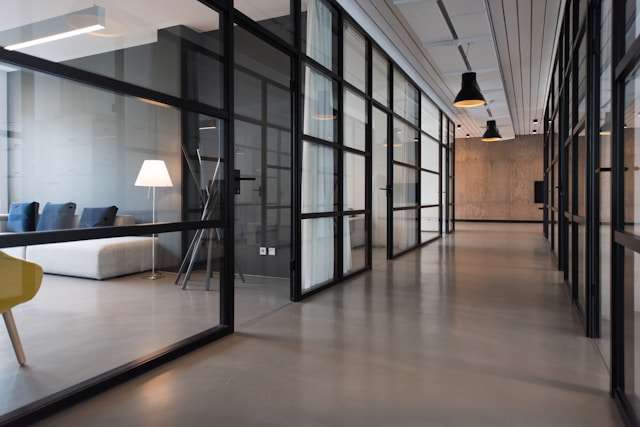
- Collaboration Hubs: These are open areas with whiteboards, comfy seating, and large tables that encourage spontaneous brainstorming and team discussions. A well-planned office layout can help create spaces that encourage collaboration and strengthen workplace culture.
- Social Spaces: Kitchens or lounge areas allow for informal interactions and help build team camaraderie.
Making this vision a reality takes careful planning. To successfully turn your office into a zoned environment, you often need professional help, from planning the layout to the final Commercial Installation of new furniture and partitions that define each space.
Optimizing Your Workspace for Growth
A productive workspace does not always require a complete renovation or a large investment. Businesses can start with smaller improvements, such as adjusting lighting, creating quieter work areas, improving furniture arrangements, or adding flexible workspace solutions. These changes can help improve employee experience while allowing companies to upgrade their office gradually.
A static office layout can limit a growing business. What works for a team of ten may no longer be efficient for a team of thirty. Instead of sticking to a rigid design, think about adaptability and modularity. An adaptable workspace can be reconfigured easily, letting your company grow smoothly.
Flexible design elements include movable walls or partitions, lightweight modular furniture, and desks on wheels. These parts let you quickly set up a new project area, bring on a new team, or change department locations as your business needs change. This approach not only saves money on future renovations but also makes sure your physical space always supports your current operations, instead of getting in the way.
Future-Proofing Your Office Environment
The most effective office environments are designed to adapt as business needs evolve. Future-proofing your workspace involves more than flexible furniture; it combines technology, wellness, and hybrid work solutions. Features like reliable Wi-Fi, video conferencing spaces, and quiet booths help support modern work styles.
Ergonomic furniture, including adjustable chairs, sit-stand desks, and monitor arms, can support employee health and comfort. A well-designed, technology-ready workspace can improve focus, collaboration, and productivity while helping businesses prepare for future needs.
Want to Learn More? How about a Free 30-minute Consult with Ascend?
Schedule Your Free Consultation Now!
Special thanks to the following source(s) for the image(s) used in this article:
- Image Credit: Unsplash
Enjoy a Great Podcast? ?
Check out this Remarkable episode to continue the conversation and help you grow!

 Listen Now!
DISCLAIMER: This is an affiliate article. We post affiliate articles with the intent of helping you grow. They are not written, researched, or necessarily endorsed by our team. They are simply content submitted to us by what appears to be respectable affiliate sources, people, and organizations, which upon initial review, seem solid and helpful to our community, so we post them. It is up to you to personally verify the facts, links, organizations mentioned, the validity of the information presented, and any/all claims made in the article(s). To report an issue with any of the information, links, or organizations mentioned in this, or any content posted on our website, or if you simply have a question or need something we can help you with, please contact us now.