Originally Published: August 31, 2026
Many business leaders think their brand starts and ends with their logo. While a great logo is definitely important, it's really just the beginning of a much bigger picture. True visual branding is an experience that touches customers everywhere, from their first click on your website to the feel of a door handle in your physical store. It's like a silent ambassador, communicating your values, quality, and promises without saying a word.
When a business only thinks of its visual identity as a logo and a few colors, it misses a huge chance to connect more deeply and lastingly with its audience. The most successful brands understand that every visual detail is an opportunity to show who they are and what they stand for.
The Power of Consistent Visuals
Consistency is the bedrock of a strong visual brand. When customers see the same fonts, colors, and design styles across your website, social media, and marketing materials, it builds familiarity and trust. This repetition helps customers quickly recognize your brand in a crowded market. Think about big brands; you can often spot them just by a specific shade of red or a unique font style, even before you see their logo.
This consistent look also projects stability and professionalism. On the flip side, inconsistency can make a brand seem disorganized, unreliable, or even untrustworthy. A cohesive visual strategy makes sure that every time a customer interacts with your brand, they get the same clear message. This strengthens brand recall and builds a sense of dependability that keeps people coming back.
Beyond Digital: Physical Touchpoints
While consistency online is vital, your brand's visual identity needs to reach into the real world too. For any business with a physical location, the environment itself is a powerful way to show off your brand's personality and commitment to quality. This includes everything from the layout of your space and the furniture you pick to the tiny details customers touch directly.
Think about the sensory experience of a physical place. The materials used in your interior design (wood, metal, glass) all send subtle signals. A company proud of its craftsmanship and durability, for example, might use high quality bronze fittings on its doors and cabinets. This small, tactile detail reinforces the brand's promise of excellence in a way a digital ad never could. These physical touchpoints aren't just functional; they're tangible proof of your brand's values in action.
Creating Memorable Environments
The most iconic brands truly master creating immersive environments. When you walk into an Apple store, the minimalist design, clean lines, and hands-on product displays create a feeling of innovation and simplicity. This isn't by chance; it's a carefully planned experience designed to make you feel a certain way about the brand. The environment itself becomes a key part of the product.
You can apply this same idea to any physical space, whether it's a corporate office, a retail shop, or a restaurant. The goal is to create an atmosphere that reflects your brand's core identity. A wellness brand might use natural light, plants, and calming colors to create a serene space. A dynamic tech startup might go for an open-plan office with bold graphics and collaborative zones. These environmental choices help tell your brand's story and make the experience memorable for both customers and employees.
Design Choices as Brand Statements
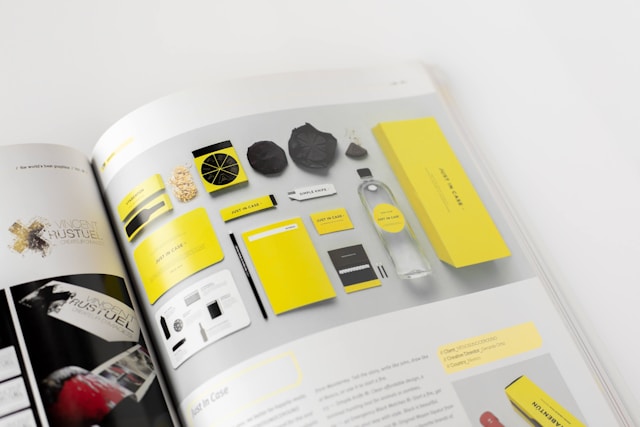
Every design choice makes a statement. The weight of your business card, your product's packaging, and your app's user interface all shape how people see your brand. These decisions communicate your priorities and what you stand for. A brand that uses recycled materials in its packaging clearly states its commitment to sustainability. A software company that invests in a clean, intuitive user interface shows it values user experience and simplicity.
The impact of visual branding goes far beyond just looking good; it directly affects how customers perceive your company's competence and values. Before a customer even talks to a representative, they've already formed an opinion based on the visual cues you provide. Making sure these cues are intentional and match your core message is crucial for building a strong, positive reputation.
Measuring Design's Business Impact
Investing in comprehensive visual branding isn't just an artistic endeavor; it delivers real business results. While it might seem hard to measure, there are several ways to track the impact of a strong visual identity. One direct method is to track brand recognition and recall through customer surveys. You can ask how easily customers identify your brand from visual elements alone.
Other key metrics include website analytics, like bounce rate and conversion rates. A well-designed website that reflects a cohesive brand identity often sees better engagement and leads to more sales. In physical retail, you can collect customer feedback on the store environment and track foot traffic patterns. Even employee satisfaction can be a metric, as a well-designed workspace that reflects company values can boost morale and productivity. Tracking these indicators helps you clearly connect design investments to business growth.
Ultimately, your brand isn't what you say it is; it's what your customers experience. Expanding your visual identity beyond just the logo to include every digital and physical touchpoint allows you to create a consistent, memorable, and authentic brand that truly resonates with your audience. This is essential for growing digital businesses.
Special thanks to the following source(s) for the image(s) used in this article:
- Image Credit: Unsplash
Enjoy a Great Podcast? ?
Check out this Remarkable episode to continue the conversation and help you grow!

 Listen Now!
THANKS FOR LISTENING TO THE REMARKABLE PEOPLE PODCAST! ?
Click Here for More Remarkable Episodes on Almost Any Topic You Can Imagine.?
PLEASE NOTE: We sometimes post third-party articles with sole intent of bringing you valuable information to help you, your team, and/or organization grow. These articles are not researched, written, or necessarily even endorsed by our team. It is simply content submitted to us by what appears to be respectable and professional third-party organization or affiliate source which upon our initial review, seems solid and helpful to our community, so we post them. It is up to you to personally verify the facts, links, organizations mentioned, the validity of the information presented, and any/all claims made in the article(s). To report an issue with any of the information, links, or organizations mentioned in this, or any content posted on our website, or if you simply have a question or need something we can help you with, please contact us at Ascend now.