Originally Published: September 18, 2026
Modern industrial environments prioritize performance, not comfort. The machinery and systems in these settings constantly face stress from vibration, extreme temperatures, and corrosive materials. To keep quality high, manufacturers need solutions that are as tough as the challenges they encounter. It's not just about making a better product, but about building a better process from the ground up.
This means looking beyond standard procedures. It involves using specialized materials, advanced fabrication techniques, and smart technologies that can handle the pressure. When this works, it leads to greater efficiency, less downtime, and a final product that meets every quality specification, no matter how demanding the production environment.
The Unforgiving Nature of Industrial Workspaces
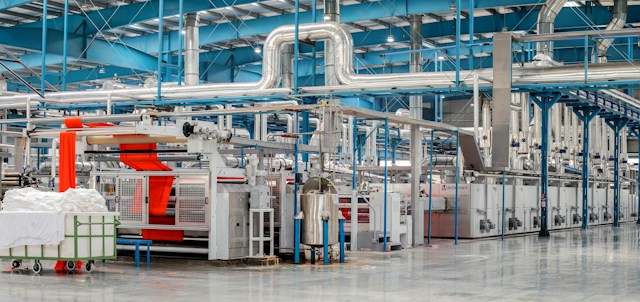
Picture the conditions inside a heavy manufacturing plant, a processing facility, or even a large automated warehouse. Dust and debris are always a concern, easily getting into sensitive electronics and mechanical joints. Temperatures can swing wildly, from intense heat generated by machinery to sub-zero conditions in specialized storage. Add in constant vibrations and potential exposure to chemicals, and it's clear that standard equipment and protective measures won't last long. These are some of the key challenges and strategic solutions that define modern production. Ignoring these realities often leads to frequent equipment failure, production delays, and compromised product quality.
Advanced Fabrication for Physical Resilience
Protecting sensitive components is the first step. This is where material science and advanced fabrication methods become crucial. Instead of rigid housings that might crack under stress or fail at the seams, modern solutions often use flexible, durable materials. For example, custom-made protective covers for robotic arms or flexible bellows for moving parts must be designed to resist abrasion, chemicals, and extreme temperatures.
Making these components requires more than just strong fabric; it demands specialized construction techniques. Seams are often the weakest point, so heavy-duty industrial sewing with reinforced threads and specific stitch patterns is necessary. This creates a product that can endure constant movement and environmental stress, ensuring that the protective elements themselves don't become a failure point.
Integrating Smart Tech for Quality Control
While physical toughness is essential, modern quality assurance also relies on digital intelligence. Industry 4.0 has brought many tools for monitoring production environments in real time. IoT (Internet of Things) sensors can be placed throughout a facility to track temperature, humidity, vibration levels, and air quality.
This data gives an immediate warning if conditions move outside optimal parameters. Teams can then step in before product quality is affected or machinery is damaged. For instance, a sensor detecting an unusual increase in a machine's vibration could trigger a maintenance alert, preventing a catastrophic failure. This proactive approach to quality control is much more effective than reactive inspections after a batch is already finished. It shifts the focus from finding defects to preventing them from ever happening.
Securing Your Digital Infrastructure
As manufacturing becomes more connected and data-driven, a new vulnerability appears: cyber threats. The same networks that allow for real-time monitoring and control can also become entry points for malicious attacks. A security breach could do more than just steal data; it could disrupt production lines, manipulate quality control parameters, or even cause physical damage to equipment.
Because of this, manufacturing cybersecurity is no longer an optional extra but a core part of maintaining quality and operational integrity. Securing networks, controlling access to sensitive systems, and training staff on security best practices are all necessary steps. Protecting the digital backbone of a manufacturing operation is just as important as protecting the physical machinery on the factory floor.
Ultimately, keeping industrial quality standards high in tough environments requires a two-part approach. It demands both physical resilience through advanced materials and fabrication, and digital intelligence through smart monitoring and robust cybersecurity. By investing in both areas, manufacturers can build operations that are not only productive but also incredibly durable.
Special thanks to the following source(s) for the image(s) used in this article:
- Image credit Unsplash
Enjoy a Great Podcast? ?
Check out this Remarkable episode to continue the conversation and help you grow!

 Listen Now!
THANKS FOR LISTENING TO THE REMARKABLE PEOPLE PODCAST! ?
Click Here for More Remarkable Episodes on Almost Any Topic You Can Imagine.?
PLEASE NOTE: We sometimes post third-party articles with sole intent of bringing you valuable information to help you, your team, and/or organization grow. These articles are not researched, written, or necessarily even endorsed by our team. It is simply content submitted to us by what appears to be respectable and professional third-party organization or affiliate source which upon our initial review, seems solid and helpful to our community, so we post them. It is up to you to personally verify the facts, links, organizations mentioned, the validity of the information presented, and any/all claims made in the article(s). To report an issue with any of the information, links, or organizations mentioned in this, or any content posted on our website, or if you simply have a question or need something we can help you with, please contact us at Ascend now.