Originally Published: September 9, 2026
The way people shop has fundamentally changed, and retail businesses are scrambling to keep up. What used to be a nice extra is now an absolute must: the ability to browse, choose, and pay for products online before ever stepping foot in a store. This isn't just a passing trend; it's a permanent shift in how customers behave, forcing retailers to completely rethink their customer experience. For modern businesses, it's no longer a question of *if* they'll embrace digital ordering, but *how quickly and effectively* they can weave it into their daily operations.
The Rise of Digital Convenience
People today value their time more than ever. The idea of convenience as the new currency now largely decides where they spend their money. Digital ordering directly addresses this need by making the buying process smoother. Instead of waiting in line, customers can place an order from their office, during their commute, or from their living room couch. This gives them a strong sense of control and efficiency.
The pandemic sped up this trend, but the desire for easy experiences was already there. Customers got a taste of what was possible with services like curbside pickup, buy-online-pickup-in-store (BOPIS), and local delivery. Now, they expect that level of convenience as standard. A retailer without a digital ordering option might seem old-fashioned or difficult to deal with, potentially sending customers to a competitor with a more streamlined process. This is especially true in fast-paced sectors like quick-service restaurants and convenience stores.
Benefits Beyond Transaction Speed
While speed is a big plus for digital ordering, its benefits go far beyond just processing transactions faster. Setting up a digital system brings many operational improvements that can boost a retailer's bottom line. A key one is better order accuracy. When customers enter their own orders, there's much less chance of miscommunication or human error at the point of sale. This means fewer mistakes, less food waste in restaurants, and happier customers.
What's more, digital ordering platforms can be great for increasing how much customers spend per order. You can program the system to suggest smart upsells and cross-sells based on what's in a customer's cart. For example, someone ordering a sandwich might automatically see an offer to add a drink and a side for a discounted combo price. These targeted suggestions often work better than an employee trying to remember to upsell during a busy period. This kind of automation is a core part of modern convenience store technology, helping businesses get the most revenue from each order while freeing up staff to focus on preparing orders and helping customers.
Seamless Integration with Loyalty
Digital ordering offers the perfect foundation for building a strong customer loyalty strategy. When a customer orders through your app or website, they leave a digital trail that provides incredibly valuable data. Every purchase is a chance to learn more about what they like, how often they buy, and their long-term value. This information is crucial for creating personalized marketing and rewards that make customers feel seen and appreciated.
Connecting your ordering system with your loyalty program makes for a smooth, easy experience. Customers can automatically earn points on every purchase without needing to scan a card or enter a phone number. They can check their rewards balance and use offers right within the ordering screen, encouraging them to redeem immediately. This works especially well for businesses like cafes and quick-service retailers, where people make frequent, small purchases. A well-designed convenience store loyalty program, for instance, can turn a one-time gas fill-up into a steady source of in-store revenue by offering points on fuel that can be used for snacks and drinks. This direct link between ordering and rewards creates a powerful habit that keeps customers coming back.
Optimizing for Mobile Users
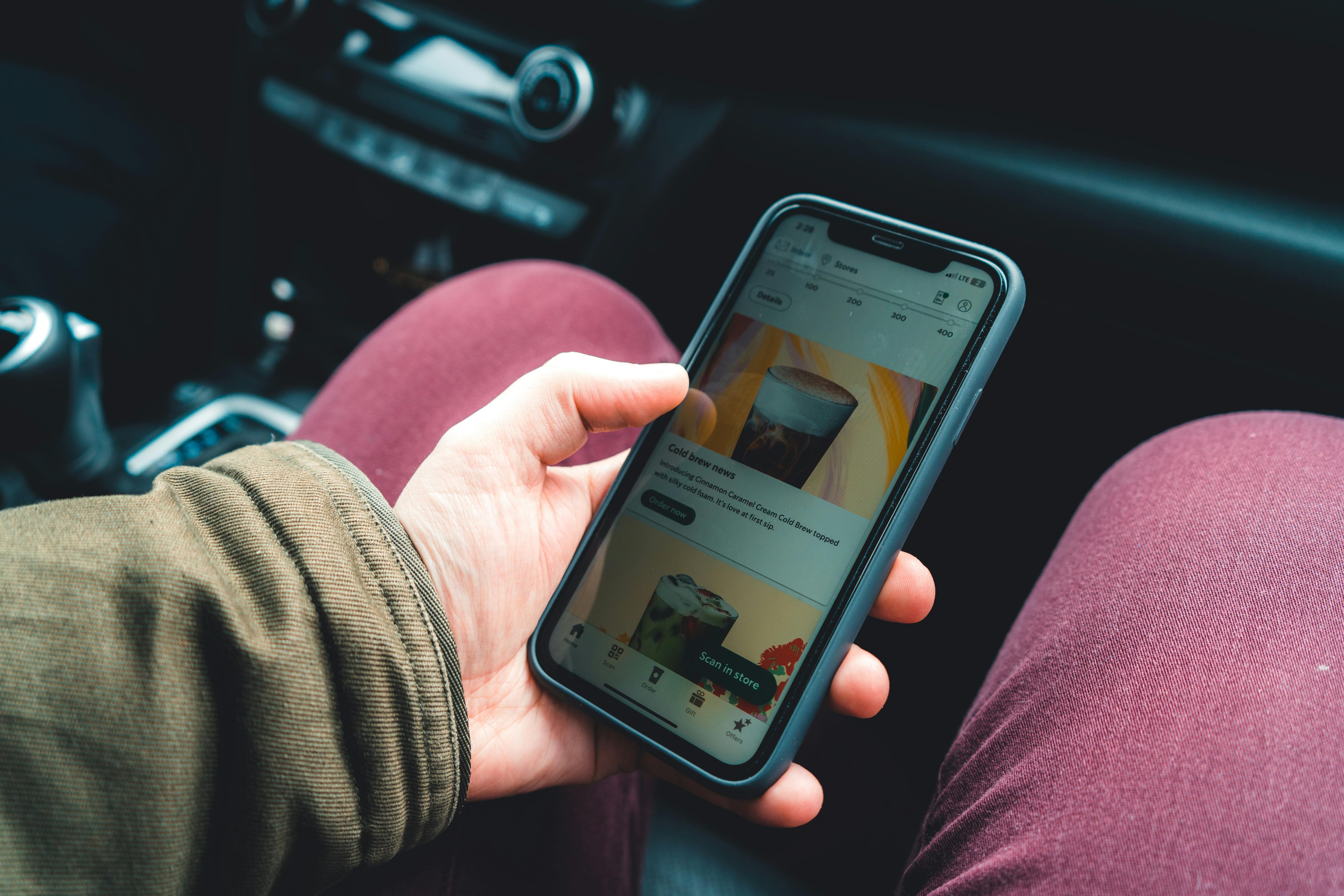
Most digital orders happen on a smartphone. This means focusing on mobile isn't just a good idea; it's vital for survival. A clunky, slow, or confusing mobile ordering experience will lead to abandoned carts and lost sales. The rapid mobile commerce growth shows that people are very comfortable buying things from their phones, but they have very little patience for bad design.
To optimize for mobile users, you need to prioritize simplicity and speed. Your digital storefront should have:
- A clean, uncluttered interface: Use large, easy-to-read fonts and colors that stand out. Product images should be clear and inviting.
- Simple navigation: Customers should be able to find what they're looking for in just a few taps. Use logical categories and an obvious search bar.
- Minimal data entry: The checkout process should be as quick as possible. Offer guest checkout and integrate mobile payment options like Apple Pay and Google Pay for one-tap purchasing.
- Fast loading times: Every second counts. Optimize images and code so your site or app loads almost instantly, even on a cellular connection.
Remember, the goal is to remove every possible hurdle between a customer's desire and their purchase. A smooth mobile experience shows you respect the customer's time and makes them more likely to complete their order.
Driving Repeat Business Online
Getting a new customer costs much more than keeping an existing one. Digital ordering is one of the most effective tools a retailer has for building those long-term relationships. Strong customer service also plays an important role in turning one-time buyers into loyal customers. Transforming customer service into a growth engine can help businesses create better experiences that encourage customers to return and recommend the brand to others. The data collected through your digital platform lets you move beyond generic marketing and create truly personalized experiences that encourage repeat business. The value of keeping customers is huge, and digital tools make it easier than ever to tap into it.
Think about the possibilities. A customer's entire order history is right there. You can let them reorder their "usual" with a single click, saving them time and effort. You can use their past purchases to send targeted promotions for items they'll likely enjoy. For example, you could send a "we miss you" offer with a discount on their favorite coffee to someone who hasn't ordered in a few weeks. You can also use this data to group your audience and send relevant updates, like telling your vegan customers when a new plant-based menu item is available. This level of personalization makes customers feel understood and builds a strong connection to your brand that generic email blasts can never achieve.
Ultimately, digital ordering changes the customer relationship from a series of anonymous transactions into an ongoing conversation. By making it easy to order, rewarding loyalty, and personalizing communication, you create a powerful engine for steady growth.
Special thanks to the following source(s) for the image(s) used in this article:
- Image Credit: Pexels
Enjoy a Great Podcast? ?
Check out this Remarkable episode to continue the conversation and help you grow!

 Listen Now!
THANKS FOR LISTENING TO THE REMARKABLE PEOPLE PODCAST! ?
Click Here for More Remarkable Episodes on Almost Any Topic You Can Imagine.?
PLEASE NOTE: We sometimes post third-party articles with sole intent of bringing you valuable information to help you, your team, and/or organization grow. These articles are not researched, written, or necessarily even endorsed by our team. It is simply content submitted to us by what appears to be respectable and professional third-party organization or affiliate source which upon our initial review, seems solid and helpful to our community, so we post them. It is up to you to personally verify the facts, links, organizations mentioned, the validity of the information presented, and any/all claims made in the article(s). To report an issue with any of the information, links, or organizations mentioned in this, or any content posted on our website, or if you simply have a question or need something we can help you with, please contact us at Ascend now.