Originally Published: September 1, 2026
Creating great content is only one part of the puzzle. Making sure it reaches the right person at the right time is what truly drives business results. Many business owners pour effort into articles, videos, and social media posts that don't connect because they miss what the audience needs at that exact moment. The secret to turning prospects into loyal customers is understanding their journey from first hearing about you to making a purchase and beyond. When you map this process, you can share valuable information that smoothly guides them from one step to the next.
This smart approach turns your content from a random collection of pieces into a powerful system that builds trust and generates sales. It's about being a helpful guide, not just a loud advertiser.
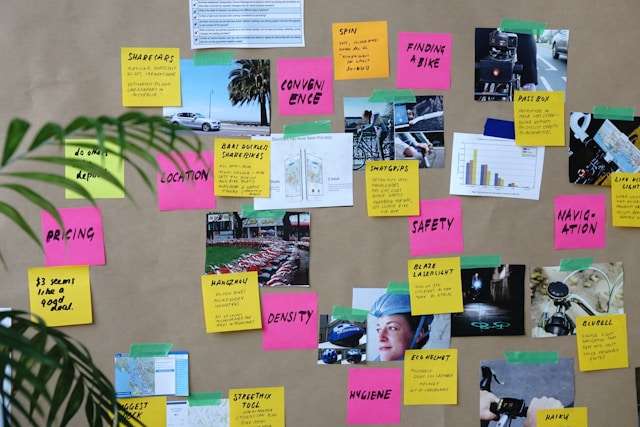
Mapping the Customer Journey
Before you can create content that actually converts, you need a clear picture of how customers experience your brand. This process, often called customer journey mapping, means outlining every interaction someone has with your business. It starts the moment they first learn about you and continues through their purchase, even into their experience as a long-term customer. Understanding the stages of the customer journey is essential.
This path usually includes a few key phases:
- Awareness: Someone has a problem or need and realizes your business might have a solution.
- Consideration: They're now actively researching and comparing different options, including your competitors.
- Decision: They're ready to choose and need that final piece of information or reassurance to pick your product or service.
- Retention: After buying, they need support and engagement to become a repeat customer and recommend your brand.
Documenting this path is crucial because your content strategy needs a customer journey map to work well. It sets the stage for everything that follows.
Saving Time and Money for Owners
One of the strongest motivators for any customer, especially a small business owner, is the promise of saving time and money. When you understand their journey, you can create content that directly speaks to these core desires. For example, a business owner in the consideration stage isn't just looking for a product; they're looking for an efficient solution that improves their bottom line. Your content should clearly show how you help them achieve that.
This could be a blog post explaining how your service simplifies a complex process, or a case study showing the return on investment another client achieved. For businesses with vehicle fleets, content could highlight ways to reduce operational costs. Providing helpful resources on topics like finding the best fuel cards for small businesses or optimizing delivery routes addresses a direct financial pain point. By focusing on real benefits like cost reduction and efficiency, you prove your value long before they ever make a purchase.
Crafting Content for Each Stage
Once you have your map, you can create specific content tailored to each phase. Trying to sell to someone who is just realizing they have a problem will likely fail. Instead, you need to match your message to their current mindset.
- Awareness Stage Content: This should be educational and focus on problems, not sales. Think blog posts, checklists, and social media tips that help them understand their challenge. The goal is to be a helpful resource.
- Consideration Stage Content: Here, you can focus more on solutions. Offer comparison guides, in-depth webinars, case studies, and product demos. This content helps prospects evaluate their options and see why you're the best choice.
- Decision Stage Content: At this point, customers are close to buying. Free trials, customer testimonials, and clear pricing pages can provide the final push they need to feel confident in their decision.
Addressing Pain Points and Solutions
Effective content connects with a reader's specific challenges, or "pain points." A generic article about "business efficiency" is far less powerful than one titled "5 Ways to Cut Your Delivery Fleet's Fuel Costs This Quarter." The second title speaks to a specific, costly problem and promises a clear solution.
To do this well, you need to know your audience inside and out. What keeps them up at night? What frustrations do they face every day? Conduct surveys, read online reviews of similar products, and talk to your current customers. Once you identify these pain points, create content that directly answers them. Frame your product or service not just by its features, but by the problems it solves. This shifts the conversation from what you sell to how you help.
Measuring Content Performance
Creating content without measuring its impact is like driving without a destination. You need to track key metrics to understand what's working and what isn't. This lets you improve your strategy over time and focus on the content that gets the best results.
Start with simple metrics tied to each stage of the journey. For awareness content, look at traffic, social shares, and search engine rankings. For consideration content, track metrics like time on page, download counts for guides, and webinar sign-ups. For decision-stage content, the most important metric is, of course, the conversion rate. Analyzing this data helps you see where your audience might be dropping off and find ways to improve your content, guiding more people toward becoming customers.
Ultimately, aligning your content with the customer's path is about empathy. Understanding their needs and challenges at every step helps you build a relationship based on trust and value, turning casual readers into dedicated fans of your brand.
Special thanks to the following source(s) for the image(s) used in this article:
- Image Credit: Unsplash
Enjoy a Great Podcast? ?
Check out this Remarkable episode to continue the conversation and help you grow!

 Listen Now!
THANKS FOR LISTENING TO THE REMARKABLE PEOPLE PODCAST! ?
Click Here for More Remarkable Episodes on Almost Any Topic You Can Imagine.?
PLEASE NOTE: We sometimes post third-party articles with sole intent of bringing you valuable information to help you, your team, and/or organization grow. These articles are not researched, written, or necessarily even endorsed by our team. It is simply content submitted to us by what appears to be respectable and professional third-party organization or affiliate source which upon our initial review, seems solid and helpful to our community, so we post them. It is up to you to personally verify the facts, links, organizations mentioned, the validity of the information presented, and any/all claims made in the article(s). To report an issue with any of the information, links, or organizations mentioned in this, or any content posted on our website, or if you simply have a question or need something we can help you with, please contact us at Ascend now.