
Originally Published: January 7, 2026 | Recently Updated: 1/23/2026
When Dreams Demand Action
There comes a moment in many lives when staying comfortable stops feeling safe. The familiar becomes suffocating, and something deep inside starts pushing toward change.
Maybe it’s relocating to a place that’s always called to you. Perhaps it’s finally buying that property you’ve been dreaming about. Or it could be starting over somewhere completely new.
These bold decisions shape the trajectory of our entire lives. Getting them right requires both courage and practical wisdom, and this guide will help you navigate both.
Recognising When It’s Time for Change
Restlessness often signals that you’ve outgrown your current circumstances. That nagging feeling that something needs to shift deserves your attention rather than dismissal.
Pay attention to recurring thoughts about different possibilities. When the same ideas keep surfacing over months or years, your subconscious is likely pointing toward something important.
Fear of change is natural and doesn’t mean you shouldn’t proceed. The question isn’t whether you feel afraid but whether staying put frightens you more than moving forward.
Distinguishing Between Impulse and Intuition
Not every urge to change deserves immediate action. Learning to tell the difference between impulsive reactions and genuine intuitive guidance protects you from costly mistakes.
Impulses typically feel urgent and emotionally charged. They demand immediate action and often arise from wanting to escape discomfort rather than move toward something meaningful.
Intuition feels quieter and more persistent. It returns repeatedly over time, feels aligned with your deeper values, and survives careful examination without losing its pull.
Counting the Real Costs
Bold decisions carry real consequences that deserve honest evaluation. Romanticising change without considering practical realities sets you up for preventable difficulties.
Financial implications often extend beyond obvious expenses. Relocating involves moving costs, potentially different income levels, varying costs of living, and transaction expenses for buying or selling property.
Relationship impacts matter too. How will your decision affect family members, close friendships, or professional networks? Some connections survive distance beautifully while others require physical proximity to thrive.
The Power of Regional Living
Many people discover that their best life exists outside major metropolitan areas. Regional communities offer qualities that cities simply cannot replicate.
Affordability allows dreams that seemed impossible elsewhere. Property prices in regional areas often make homeownership achievable for people priced out of capital city markets.
Lifestyle benefits compound over time. Less traffic, stronger community connections, access to nature, and slower pace create daily experiences that nurture wellbeing.
Doing Your Homework on New Locations
Before committing to any location change, thorough research prevents disappointment. What looks perfect in photos or during short visits may reveal different realities upon closer examination.
Spend extended time in potential destinations before making permanent moves. Rent before buying if possible. Experience different seasons and talk with locals about what daily life actually involves.
Investigate practical matters like employment opportunities, healthcare access, schools if relevant, and community activities aligned with your interests. These factors determine whether a place works for your actual life, not just your vacation fantasies.
Assembling Your Support Team
Major life decisions benefit enormously from professional guidance. Trying to navigate complex processes alone typically costs more in mistakes than professional fees would have cost upfront.
Financial advisors help you understand what you can truly afford and structure decisions wisely. Real estate agents with local knowledge identify opportunities and pitfalls you’d miss on your own.
Legal professionals ensure your interests are protected throughout major transactions. For those considering property purchases in North Queensland, working with experienced solicitors Townsville residents trust provides crucial guidance through conveyancing processes and ensures your significant investment is handled properly.
Never underestimate the value of local expertise. Professionals who understand regional markets, local regulations, and area-specific considerations provide insights that generic advice simply cannot match.
[Image 2: Happy family carrying moving boxes into a new home with a “sold” sign visible in the front yard] Alt text: Excited family moving into their new home, carrying boxes through the front door with a real estate sold sign displayed in the garden
Managing Fear Throughout the Process
Fear doesn’t disappear just because you’ve made a decision. It often intensifies as commitment approaches, tempting you to retreat to safety.
Recognise fear as a natural companion to meaningful change rather than a signal to stop. Courage isn’t the absence of fear but action despite its presence.
Develop practices that help you process fear constructively. Journaling, talking with supportive friends, physical exercise, and mindfulness all help prevent fear from derailing your progress.
Creating Transition Plans
Smart transitions happen in stages rather than single dramatic leaps. Breaking major changes into sequential steps makes them more manageable and reduces risk.
If relocating, consider visiting first, then perhaps renting temporarily, then purchasing once you’re certain. Each stage provides information that improves subsequent decisions.
Build financial buffers for unexpected challenges. Having reserves reduces stress and provides flexibility when inevitable surprises arise during major life changes.
Maintaining Relationships Across Distance
Physical distance challenges relationships but doesn’t have to end them. Intentional effort maintains connections that matter despite geographical separation.
Schedule regular video calls with important people. Plan visits in both directions. Find shared activities you can do remotely, like watching the same show and discussing it or playing online games together.
Accept that some relationships will naturally fade while others deepen. This isn’t failure but simply how life works when circumstances change significantly.
Building Community in New Places
Arriving somewhere new can feel lonely initially. Proactively building connections accelerates the process of making a new place feel like home.
Join groups aligned with your interests. Volunteer in your community. Accept invitations even when staying home feels easier. Say yes to opportunities for connection.
Give the process time. Meaningful friendships take months or years to develop. Initial acquaintances gradually become genuine friends through repeated interaction and shared experiences.
When Things Don’t Go as Planned
Even well-researched decisions sometimes lead to unexpected outcomes. Flexibility and resilience matter more than perfect planning.
If your bold move doesn’t unfold as hoped, avoid catastrophising. You’ve gained valuable information and experience regardless of whether the specific outcome matched your expectations.
Course corrections aren’t failures. They’re evidence of wisdom and adaptability. Many people find their ultimate destination only after several iterations that each taught something essential.
Celebrating Your Courage
Making bold life decisions takes genuine courage. Whether your leap leads exactly where you hoped or somewhere unexpected, you’ve done something most people only dream about.
Acknowledge the bravery required to choose growth over comfort. This quality will serve you throughout your life, regardless of how any single decision unfolds.
Your willingness to take action separates you from those who spend their lives wondering “what if.” That distinction matters far more than any particular outcome.
Moving Forward With Confidence
The life you want won’t build itself. At some point, dreaming must give way to doing, and planning must yield to action.
Trust yourself to handle whatever comes. You’ve navigated challenges before and developed capabilities you may not fully recognise. Those resources travel with you into whatever future you choose.
Your bold decision awaits. May you move toward it with wisdom, courage, and the support you need to make it everything you’re hoping for.
Need more motivation and inspiration? Check out the Remarkable People Podcast now!
Want to Learn More? How about a Free 30-minute Consult with Ascend?
Schedule Your Free Consultation Now!
Special thanks to the following source(s) for the image(s) used in this article:
- https://www.pexels.com/photo/silhouette-photography-of-person-standing-on-green-grass-in-front-of-mountains-during-golden-hour-746386/
Enjoy a Great Podcast? ?
Check out this Remarkable episode to continue the conversation and help you grow!
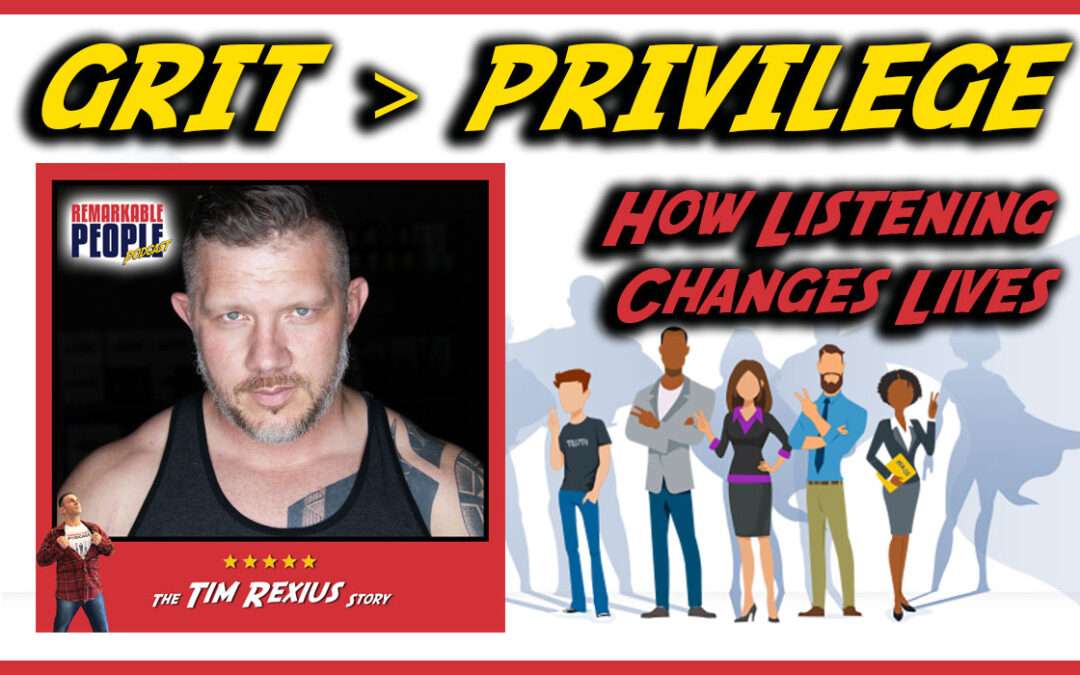
The Teachable Entrepreneur: Tim Rexius on Grit, Gold, and the Power of Listening | Episode 1313
"No matter how bad your situation might be, there's gold at the end of the rainbow if you're willing to work hard and believe in yourself." ~ Tim RexiusWATCH THE PODCAST Click the play button ▶️ above 👆 to watch now! Please Note: You can skip any ads after 5-seconds by clicking, "Skip Ad" in the bottom-right corner of the video window. These are not ads we control, or necessarily endorse. They are delivered by the video hosting...
 Listen Now!
DISCLAIMER: This is an affiliate article. We post affiliate articles with the intent of helping you grow. They are not written, researched, or necessarily endorsed by our team. They are simply content submitted to us by what appears to be respectable affiliate sources, people, and organizations, which upon initial review, seem solid and helpful to our community, so we post them. It is up to you to personally verify the facts, links, organizations mentioned, the validity of the information presented, and any/all claims made in the article(s). To report an issue with any of the information, links, or organizations mentioned in this, or any content posted on our website, or if you simply have a question or need something we can help you with, please contact us now.