
Originally Published: March 10, 2026
Careers in business really follow a straight line. Many professionals start with a specific role or industry in mind; over time, they discover new interests, develop different skills, and move into positions that they may not have originally considered.
What often separates long-term career success from short-term progress is the adaptability of the person. The business world changes very quickly; there are things like new technologies, shifting markets, and evolving workplace expectations that are constantly reshaping the opportunities that are available.
Because of this, building a lasting career means that you need to think beyond just your current job title. You need to have a focus on growth, learning, and making thoughtful decisions about the direction that you want to take for your future.
If you want a career that continues to develop over time, several strategies can help you to stay competitive and open to new possibilities.
Focus on Developing Transferable Skills
In business, specific job titles may change, but certain skills remain valuable across almost every industry. Available communication, leadership, problem-solving, and strategic thinking are examples of abilities that employers consistently value.
When you focus on developing these transferable skills, you create flexibility in your career. For example, someone working in marketing may develop strong communication and analytical abilities. Those same skills can later support roles in project management, operations, or leadership.
Instead of limiting your growth to a single role, think about how each position helps you develop skills that can be applied in many different situations. This type of mindset allows you to adapt as industries evolve.
Continue Learning Throughout Your Career
Education does not stop once you enter the workforce. Many professionals find that continuing to learn helps them stay competitive and prepare for new opportunities. Learning can take many forms; some people attend professional workshops, complete certifications, or study new techniques related to their field.
Others choose to pursue postgraduate degrees to expand their knowledge and open new career paths. For example, professionals can work in corporate training, education leadership, or human resource development. Sometimes they ask, “What can I do with a masters in education?”
When considering further study, this type of qualification can lead to roles in organizational development, instructional design, or leadership training. Advanced education is something that can help to strengthen your expertise while also helping you move into more strategic positions.
At the same time, informal learning remains just as important. Reading industry research, attending different conferences, and engaging with other professionals help to stay informed about changes within your field. Professionals who remain curious and committed to learning often find new opportunities more easily.
Evaluate Opportunities Carefully
Career growth does not depend on promotions or salary increases; sometimes, the most important factor is the environment you work in. A company that invests in its employees often creates better long-term opportunities than one that focuses only on short-term results.
Before accepting a role or pursuing a promotion, consider the broader picture. Look at how the organization supports professional development. Are there mentorship opportunities? Does the company encourage training and skill development?
Another important factor is workplace support and compensation beyond salary. Many professionals now pay close attention to the best employee benefits offered by organizations. Benefits such as flexible working arrangements, healthcare coverage, parental leave, and professional development support can significantly affect both job satisfaction and long-term career stability.
A supportive working environment allows employees to perform at their best while maintaining a healthy balance between work and personal life.
Build Strong Professional Relationships
Careers often grow through the relationships that you build. People you work with today may become colleagues, mentors, and collaborators that you can work with in the future.
Building strong professional connections helps create opportunities that might not appear through formal job applications alone. Networking does not need to feel artificial or uncomfortable; it often begins with having simple conversations and shared experiences.
Make sure you stay connected with former colleagues, attend industry events where possible, and participate in professional communities that are related to the field in which you are working.
Mentorship can also play an important role when it comes to your career development in the industry that you work in, and can help you navigate any challenges that you are facing as your career progresses.
Over time, a strong network becomes one of the most valuable resources that you can have.
Stay Open to New Directions
Many successful professionals reach important milestones in their careers by exploring paths they had not originally planned. A marketing professional might move into business strategy, for example, or a project manager might transition to leadership development or consulting.
Career changes do not mean that you are abandoning your previous experience completely; instead, they often present the natural evolution of your skills and interests. Remaining open to new directions allows you to adapt when industries change or when new opportunities appear.
It also encourages you to have continuous growth in your career. When professionals remain curious and willing to explore new roles, they often discover opportunities that align more closely with their long-term goals.
Conclusion
Building a lasting career in business requires far more than just having technical expertise; it involves being able to develop your transferable skills and continuing to learn on a regular basis.
It’s also important to carefully evaluate the opportunities available to you. Some professionals explore further education and research what to do when considering roles, including training, leadership, or academic development.
Others focus on finding workplaces that offer the best employee benefits and long-term support for professional growth. Strong relationships, curiosity, and adaptability also play very important roles in career success.
When you approach your career with a growth mindset and a focus on learning, you create an atmosphere that is flexible enough to adapt to new opportunities as they appear. These decisions help build a career that is not only successful but also sustainable and fulfilling.
Want More Info? How about a Free 30-minute Consult with Ascend?
Schedule Your Free Consultation Now!
Special thanks to the following source(s) for the image(s) used in this article:
- Photo by Vitaly Gariev on Unsplash
Enjoy a Great Podcast? ?
Check out this Remarkable episode to continue the conversation and help you grow!
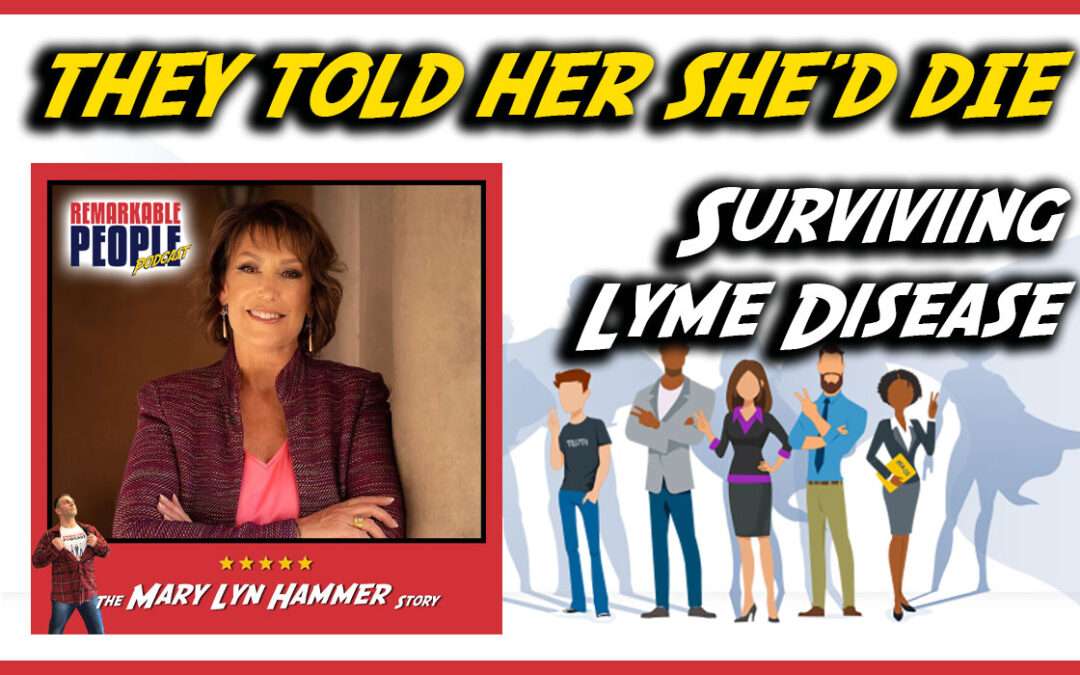
Surviving the Unsurvivable: Mary Lyn Hammer’s Decade-Long Battle with Lyme Disease
"I actually feel like it [my upbringing] gave me a lot of strength that I might not have otherwise had, because I had to survive on my own and I had to figure out ways to survive." ~ Mary Lyn HammerWATCH THE PODCAST Click the play button ▶️ above 👆 to watch now! Please Note: You can skip any ads after 5-seconds by clicking, "Skip Ad" in the bottom-right corner of the video window. These are not ads we control, or necessarily...
 Listen Now!
THANKS FOR LISTENING TO THE REMARKABLE PEOPLE PODCAST! ?
Click Here for More Remarkable Episodes on Almost Any Topic You Can Imagine.?
DISCLAIMER: This is an affiliate article. We post affiliate articles with the intent of helping you grow. They are not written, researched, or necessarily endorsed by our team. They are simply content submitted to us by what appears to be respectable affiliate sources, people, and organizations, which upon initial review, seem solid and helpful to our community, so we post them. It is up to you to personally verify the facts, links, organizations mentioned, the validity of the information presented, and any/all claims made in the article(s). To report an issue with any of the information, links, or organizations mentioned in this, or any content posted on our website, or if you simply have a question or need something we can help you with, please contact us now.