Originally Published: February 19, 2026
Keeping an office building safe isn’t about locking the doors at night. Modern workplaces rely on technology, complex systems, and constant connectivity. That means safety now covers everything from physical security to digital protection to basic infrastructure reliability.
Most risks can be reduced with consistent attention and smart planning. It’s vital that you get on top of safety as early as possible in your business so that you are not left behind and people are not leaving you in droves trying to find a safer workspace to be in. So, here are 10 tips for keeping your office building safe.
1. Stay ahead with preventive maintenance.
One of the simplest ways to keep your office safe is to prevent problems before they begin. Regular maintenance of HVAC systems, electrical panels, plumbing, elevators, and other core infrastructure helps to reduce the risk of sudden breakdowns. For example, replacing worn A/C repair parts before peak summer can prevent overheating, system failure, and uncomfortable working conditions that affect productivity. Preventive maintenance also reduces fire risks and extends the lifespan of expensive equipment; a documented schedule keeps everything organized and ensures that nothing becomes overlooked.
2. Strengthen your access control.
Safety isn’t just about burning equipment, but controlling who enters your building is fundamental. Traditional keys can be lost or copied, which creates unnecessary risk that could have been avoided from day one. Modern access control systems allow you to issue key cards or digital credentials and restrict entry to certain areas based on role or department. If someone leaves the company, access can be removed immediately. This approach adds a layer of accountability and reduces the chance of unauthorised entry into sensitive spaces such as server rooms or executive offices.
3. Maintain reliable surveillance.
Security cameras can serve 2 important purposes: they deter unwanted behaviour and provide evidence if something does happen. Placing cameras at entrances, exits, parking areas and high value zones increases visibility and discourages theft or vandalism. However, installing cameras is not enough. Systems have to be tested regularly to confirm they are recording properly, storing footage securely and positioned effectively. A poorly maintained surveillance system offers a full sense of security.
4. Protect your network infrastructure.
Office safety today also includes digital protections. Businesses depend on cloud platforms, shared drives, Wi-Fi networks and smart devices. Without proper safeguards, these systems can become entry points for cyber threats. Firewalls, encryption, strong password policies and regular updates form the foundation of digital security. Limiting access to the sensitive data and training employees to recognize suspicious emails also plays a critical role. Physical safety and cybersecurity should always work together.
5. Improve lighting throughout your entire building.
Lighting may seem simple, but it has a major impact on safety. Well lit entrances, hallways, stairwells, and parking areas reduce the risk of accidents and discourage criminal activity. Motion activated lighting in less used areas can improve security while conserving energy inside the building. Proper lighting also reduces eye strain and fatigue, contributing to a safer and more comfortable work environment overall.
6. Prioritize fire safety.
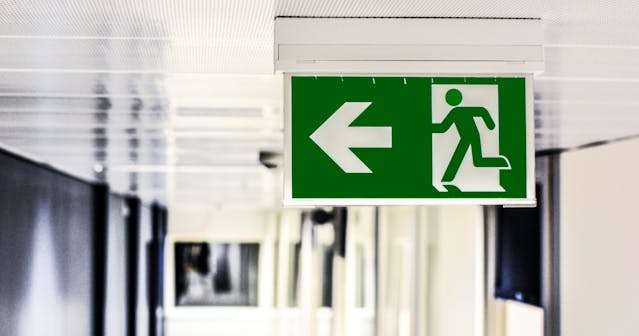
Fire prevention and preparedness should be treated as a formality. Alarm systems, smoke detectors and sprinkler systems have to be inspected regularly. Fire extinguishers should be clearly visible and accessible, and emergency exits need to remain unobstructed at all times. Conducting occasional drills ensures employees know evacuation routes and procedures. When people understand exactly what to do in an emergency, panic is reduced and response times improve. Ideally, you should have somebody in your business that you can allocate as an emergency helper for when things go wrong. They can then make sure that people are safe and they are the designated second set of eyes you’ve been looking for to keep your business safe too.
7. Secure critical equipment.
Offices often house valuable technology and infrastructure. Server rooms, electrical systems, and communications equipment should be protected with restricted access and proper environmental controls. Temperature and humidity monitoring systems can alert you to changes that might damage hardware. Locking cabinets and limiting entry to unauthorized personnel protects both your equipment and your data. While we’re talking about securing critical equipment, let’s also remember vehicles too. If your business is using vehicles or vans as part of its strategy for working, you need to make sure that you secure those too.
8. Train employees on safety awareness.
Technology can really only do so much. Employees play a key role in maintaining a safe environment. Regular training sessions help staff understand emergency procedures, safe equipment usage, and cybersecurity best practices. Encouraging employees to report hazards or suspicious behavior fosters a good culture of shared responsibility. When safety becomes part of everyday awareness, risks will decrease significantly.
9. Prepare for power disruptions.
Unexpected power outages can interrupt operations and damage your equipment. Installing uninterruptible power supplies for critical systems allows for safe shutdowns or temporary continued operation. Backup generators may be necessary for larger facilities. Surge protection also helps to prevent damage from electrical spikes.
10. Review safety policies regularly.
Safety is never something you can just sit and forget. Safety strategies should evolve with the buildings, teams and technology as you upgrade those. Reviewing policies annually allows you to assess new risks, ageing infrastructure and updated compliance requirements. External inspections or professional audits can provide fresh insight and identify vulnerabilities that internal teams may overlook. Continuous improvement keeps safety measures aligned with current needs.
Keeping your office building safe requires consistent attention rather than dramatic changes. By focusing on each of these points, you create an environment where people can work confidently and securely. At the same time, a proactive rather than reactive approach reduces your downtime and prevents costly incidents while also strengthening your overall operations. When safety systems are working well, they go unnoticed, and that’s exactly what you want. You don’t want people to sit around thinking about their safety because they feel unsafe.
Want More Info? How about a Free 30-minute Consult with Ascend?
Schedule Your Free Consultation Now!
Special thanks to the following source(s) for the image(s) used in this article:
Enjoy a Great Podcast? ?
Check out this Remarkable episode to continue the conversation and help you grow!

Surviving the Unsurvivable: Mary Lyn Hammer’s Decade-Long Battle with Lyme Disease
"I actually feel like it [my upbringing] gave me a lot of strength that I might not have otherwise had, because I had to survive on my own and I had to figure out ways to survive." ~ Mary Lyn HammerWATCH THE PODCAST Click the play button ▶️ above 👆 to watch now! Please Note: You can skip any ads after 5-seconds by clicking, "Skip Ad" in the bottom-right corner of the video window. These are not ads we control, or necessarily...
 Listen Now!
THANKS FOR LISTENING TO THE REMARKABLE PEOPLE PODCAST! ?
Click Here for More Remarkable Episodes on Almost Any Topic You Can Imagine.?
DISCLAIMER: This is an affiliate article. We post affiliate articles with the intent of helping you grow. They are not written, researched, or necessarily endorsed by our team. They are simply content submitted to us by what appears to be respectable affiliate sources, people, and organizations, which upon initial review, seem solid and helpful to our community, so we post them. It is up to you to personally verify the facts, links, organizations mentioned, the validity of the information presented, and any/all claims made in the article(s). To report an issue with any of the information, links, or organizations mentioned in this, or any content posted on our website, or if you simply have a question or need something we can help you with, please contact us now.