Originally Published: December 23, 2025
Every time you open your wallet, you’re casting a vote. That might sound dramatic, but it’s true. The products we buy and the companies we support shape the world in ways we often overlook. I’ve been thinking about this a lot lately. As someone who tries to live according to my values, I started examining whether my purchasing habits actually reflected what I believe. The honest answer was uncomfortable. Most of us want to do good. We just don’t always connect the dots between our daily choices and their broader impact.
The Hidden Story Behind What We Buy
Every product has a story. Someone designed it, someone made it, and someone transported it to where you bought it. That supply chain involves real people with real lives.
The uncomfortable truth is that many products we use daily are made under conditions we’d never accept for ourselves or our families. Low wages, unsafe environments, and exploitation remain common in global manufacturing.
This isn’t meant to induce guilt. It’s simply an invitation to become more curious about where our stuff comes from.
Why Conscious Consumption Matters
Choosing to buy thoughtfully isn’t about perfection. Nobody can research every purchase exhaustively. Life is too busy for that.
But making intentional choices where we can does add up. When enough people shift their spending toward ethical alternatives, entire industries respond. Markets follow demand.
There’s also something personally meaningful about aligning your purchases with your principles. It creates coherence between what you believe and how you live.
Starting Where You Are
The journey toward more ethical consumption doesn’t require a complete lifestyle overhaul. Small shifts in specific categories make the process manageable.
I started with items I replace regularly anyway. When something wore out, I researched better alternatives before buying the replacement. This gradual approach prevented overwhelm.
Categories like clothing, accessories, and household goods offer plenty of opportunities to choose differently without significant sacrifice.
Finding Products That Give Back
Some purchases go beyond simply avoiding harm. They actively contribute to causes that matter.
Social enterprises and mission-driven organizations create products specifically to fund important work. Your purchase becomes a form of giving while still getting something useful in return.
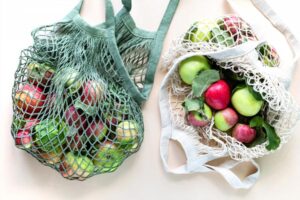
For example, when shopping for ethical bags Australia, you’ll find options from organizations like The Leprosy Mission whose sales directly support people affected by leprosy and disability. You get a quality bag while funding medical care, rehabilitation, and community support for vulnerable populations.
This model appeals to me because it transforms ordinary shopping into something meaningful without requiring extra effort or separate donations.
The Quality Question
A common misconception is that ethical products are inferior to mainstream alternatives. In my experience, the opposite is often true.
Companies built on ethical principles tend to care deeply about their work. That care extends to product quality. They’re not racing to the bottom on price while cutting corners.
Many ethical products also last longer than their conventional counterparts. The slightly higher upfront cost often balances out through extended durability.
Beyond Individual Choices
While personal purchasing decisions matter, they’re part of a larger picture. Systemic change requires collective action, advocacy, and policy shifts.
That said, individual choices aren’t meaningless. They shape markets, influence companies, and often inspire others. When friends notice your choices and ask questions, conversations start.
Living your values visibly creates ripple effects you may never fully see.
Practical Tips for Getting Started
If this resonates with you, here are some concrete ways to begin shifting your purchasing habits.
Research before replacing. When something wears out, spend a few minutes looking for ethical alternatives before defaulting to the same old options.
Focus on high-impact categories first. Clothing, accessories, coffee, and chocolate are industries where ethical alternatives are readily available and your choices make meaningful differences.
Support social enterprises when possible. Organizations that exist specifically to fund charitable work deserve consideration when their products meet your needs.
The Faith Connection
For those of us motivated by faith, caring about how our purchases affect others isn’t optional. It’s an extension of loving our neighbors.
Scripture repeatedly emphasizes concern for the poor, the marginalized, and the vulnerable. Our economic choices either reinforce or challenge systems that create suffering.
This isn’t about earning righteousness through ethical shopping. It’s about living consistently with what we say we believe.
Progress Over Perfection
I want to be clear about something. I don’t have this figured out completely. I still buy things without researching their origins. I still prioritize convenience sometimes.
The goal isn’t flawless ethical consumption. That standard would paralyze anyone. The goal is movement in the right direction, making better choices more often.
Give yourself grace while still pushing forward. Both things can be true simultaneously.
What Changes When You Pay Attention
Something shifts internally when you start connecting your purchases to their broader impact. You become more aware, more intentional, more present in daily decisions.
Shopping becomes less mindless and more meaningful. You might even find yourself buying less overall as you become more thoughtful about what you actually need.
That’s not a bad outcome in a culture constantly pushing us to consume more.
The Invitation
Consider this an invitation rather than a lecture. I’m not here to judge anyone’s shopping habits or create guilt about past purchases.
I’m simply sharing what I’ve learned and inviting you to explore whether some of these ideas resonate with your own values and faith.
The world won’t change overnight. But it does change, one choice at a time, as more people wake up to the power they hold every time they reach for their wallet.
Your purchases tell a story. Make it one worth telling.
Want to Learn More? How about a Free 30-minute Consult with Ascend?
Schedule Your Free Consultation Now!
Special thanks to the following source(s) for the image(s) used in this article:
-
https://www.freepik.com/free-photo/medium-shot-woman-reading-label-shop_19924833.htm#fromView=search&page=1&position=0&uuid=0f9c0915-cb08-4b63-9032-a8cf9c7993f8&query=woman+looking+at+product+lable
Enjoy a Great Podcast? ?
Check out this Remarkable episode to continue the conversation and help you grow!
De-Escalate Anyone: Doug Noll on Affect Labeling, Emotional Intelligence, and Overcoming Physical Adversity
"Forgiveness is a process which no one fully understands. A process, not an event." ~ Doug NollWATCH THE PODCAST Click the play button ▶️ above 👆 to watch now! Please Note: You can skip any ads after 5-seconds by clicking, "Skip Ad" in the bottom-right corner of the video window. These are not ads we control, or necessarily endorse. They are delivered by the video hosting company, YouTube or Rumble. Thank you for understanding....
 Listen Now!
DISCLAIMER: This is an affiliate article. We post affiliate articles with the intent of helping you grow. They are not written, researched, or necessarily endorsed by our team. They are simply content submitted to us by what appears to be respectable affiliate sources, people, and organizations, which upon initial review, seem solid and helpful to our community, so we post them. It is up to you to personally verify the facts, links, organizations mentioned, the validity of the information presented, and any/all claims made in the article(s). To report an issue with any of the information, links, or organizations mentioned in this, or any content posted on our website, or if you simply have a question or need something we can help you with, please contact us now.