“You don’t need someone elses permission to be successful.”
~ Jeremy Hill
WATCH THE PODCAST
Click the play button ▶️ above 👆 to watch now!
Please Note: You can skip any ads after 5-seconds by clicking, "Skip Ad" in the bottom-right corner of the video window. These are not ads we control, or necessarily endorse. They are delivered by the video hosting company, YouTube or Rumble. Thank you for understanding.
LISTEN TO THE PODCAST
Episode Proudly Sponsored by:

Save 30% to 80% on EVERYTHING you order at MyPillow.com, PLUS Free Shipping with the best MyPillow promo code, “REMARKABLE” now!
Want to watch some MyPillow product review videos first? No problem! Click here to learn more and find over 2 dozen review videos now!
Episode Overview: Jeremy Hill
In this episode of The Remarkable People Podcast, host David Pasqualone interviews Jeremy Hill, a self-made entrepreneur who built a capital investment company from scratch. The conversation explores how one key conversation led to a $2.2 billion business, highlighting the importance of balancing material wealth with strong family values and a relationship with God. Jeremy shares his life’s ups and downs, emphasizing the significance of not comparing oneself to others but instead embracing one’s unique journey. The episode delves into Jeremy’s professional and personal life, offering a ‘recipe for success’ that includes making God the center of your life, prioritizing family relationships, and leading your children. It also tackles the common struggles and victories in marriage, entrepreneurship, and faith, providing listeners with actionable insights on achieving a fulfilling life. This episode features candid discussions on Jeremy’s early life, career, critical turning points, and reflections on maintaining balance and consistency in various aspects of life.
Key Points (Timestamps & Titles):
- 00:00 Introduction to the Remarkable People Podcast
- 00:05 Meet Jeremy Hill: From Nothing to $2.2 Billion
- 00:26 Balancing Wealth and Family Life
- 00:37 Failures, Successes, and Faith
- 01:06 A Recipe for Success
- 01:11 Get Ready for Jeremy Hill’s Story
- 01:37 Podcast Intro and Welcome
- 02:08 Jeremy Hill’s Life Story Begins
- 06:17 Growing Up in West Texas
- 06:34 Family Dynamics and Early Life Challenges
- 08:35 Meeting His Father and Lessons Learned
- 10:00 The Impact of His Father’s Life and Death
- 12:29 Marriage and Building a Life Together
- 18:40 The Importance of Faith in Marriage
- 22:26 Navigating Professional Life and Entrepreneurship
- 29:09 The Birth of JB Capital
- 32:50 The Reality of Entrepreneurship
- 34:35 The Importance of Support Systems
- 35:33 Balancing Personal and Professional Life
- 37:58 The Role of Faith and Family
- 39:48 Finding the Sweet Spot in Life
- 47:43 Consistency and Prioritization
- 54:28 Overcoming Challenges and Adversity
- 57:40 Reflecting on Success and Future Goals
- 01:06:06 Final Thoughts and Encouragement
Episode Keywords/Keyphrases/Tags:
- be you, be who God made you to be, absent father, marriage, divorce, rejecting divorce, HIV, AIDS, father died of AIDS, Marriage Advice, Faith in God, Decision making, leading as a husband and father, wife feels safe, experience time and maturity, Atlas Shrugs, young dumb and broke, distributed workforce, green lights, entrepreneurship, character, balance, consistency is the key, the BIG rocks in life, priorities, family meetings, family board meetings, faith, supportive wife, raising capital, investment banking, merchant banking, JB Capital
REMARKABLE SPECIAL OFFER(S):
 REMARKABLE OFFER 1: Save 30% to 80% on EVERYTHING you order at MyPillow.com with Free Promo Code, “REMARKABLE“. Yes, that’s right! Use the best My Pillow promo code out there to save a TON of money on all 200+ quality, comfortable, cozy home goods at MyPillow.com/Remarkable, or by calling 1-800-644-6612. From sheets, to blankets, to pillows, to mattress toppers, be ready to sleep better and live more comfortably than you ever have before!
- REMARKABLE OFFER 2: Your Exclusive Offer: Save Big on Your Console Vault In-Vehicle Safe. With our exclusive promo code, “REMARKABLE“, you will Save 10% or more on all Console Vault anti-theft vehicle safes you order. And sometimes, you’ll receive Free Shipping too! Just make sure to use the free Console Vault discount code, “REMARKABLE” at checkout.
Full Episode Transcript
A $2.2 Billion Conversation, the Right Recipe for Prioritizing Your Life, & Finding Balance with Jeremy Hill
David Pasqualone: [00:00:00] Hello, friend. Welcome to this week’s episode of The Remarkable People Podcast. This week we’re going to talk to a man who started out and had nothing in regards to a capital investment company, and one conversation turned into $2.2 billion in transactions. Later, we’re going to learn from this man about the importance.
Of your life balance, how you can have huge wealth. But your family life can suffer how you can have a great family life, but you can struggle each week to pay the bills. And we are going to talk openly and transparently with this gentleman about the failures and the successes in his life that brought him to where he is not only incredibly wealthy financially, but he is wealthy in his relationship with God and at home with his family.
He talks about how he was in the lows. [00:01:00] How he’s in the highs and we kind of formulate and reverse engineer a recipe. For success for us all to at least have a catalyst to start from. So at this time, get your favorite beverage, get a pen and paper unless you’re driving, and let’s listen to our Remarkable friend Jeremy Hill as he shares his life story and we can all not just hear what he was able to achieve and overcome in life.
But we can apply it to our lives and have similar successes too. So get ready for this Remarkable episode right now.
Welcome to the Remarkable People Podcast!: The Remarkable People Podcast, check it out,
the Remarkable People Podcast. Listen, do Repeat for Life,[00:02:00]
the Remarkable People Podcast.
David Pasqualone: Hey Jeremy, how are you today?
Wonderful, brother. Good to see you. It’s good to see you. I just told our listeners a little bit about your episode on what to expect, but straight Outta your mouth. If someone was with us all seven years and knows how the podcast works or if this is their first experience, they’re going to get a bunch of truth and wisdom from you and ways to grow.
But if you guarantee them one truth, you’re going to bring in one area they’re going to grow in. What is that?
Jeremy Hill: Oh, brother, I just tell you it is, you know, you’ll be a second class version of somebody else at best. You know, I think everybody’s trying to figure out who it is that they are and doing a terrible job of comparing themselves to, you know, who it is that they think that they should be.
And the reality is, is that the world needs you to be you, right? You’re going to be a second class, somebody else at best, [00:03:00] show up, be yourself. That’s what God’s called you to be anyway. The world’s looking for more Davids and more Jeremy’s not you know, a second class version of somebody else.
David Pasqualone: I think that’s a hundred percent true.
Yeah. God made us all uniquely, he loves us all uniquely and we gotta be who he made us to be. So at. This time we’re going to take a short affiliate commercial. Ladies and gentlemen, we’re come back with Jeremy and he’s going to tell us about his life, how he learned this truth, how it became so important to him.
And we’re going to break down his successes and achievements and reverse engineer him. So we can’t just be excited for him, but we can learn and do it ourselves as well. See you in 60 seconds.
David Pasqualone: Ho, ho, ho. I don’t know when you’re watching this commercial, but Christmas is coming and with Christmas, you want to get people gifts. They love you want to save money, but you want them to have something that they’re going to remember you by and hopefully use all [00:04:00] year. That’s why this year, shop mypillow.com use promo code.
Remarkable. I know it’s not as sexy as a new car, but check it out. They have sheets, they have blankets, they have bath towels, they have mattresses. They have a whole array of home goods that are truly Remarkable. The best I’ve personally ever used, and they are going to be super comfortable and think of you pretty much every night.
When they’re going to bed or when they’re walking around their house in slippers or when they’re drying off with a towel, that just feels great. All the MyPillow products are just quality, luxurious, durable, and you’re going to love them and so will the people you love. So go to mypillow.com, use promo code, Remarkable shop to your heart’s content.
You are going to save 30 to 80%. On [00:05:00] everything you order with promo code. Remarkable. Plus, a lot of times you can get free shipping with our code, which is an exclusive out of the hundreds of affiliates around the country. We’re one of the only ones that continuously gets free shipping. So. I’m David Pasqualone.
I support this ad. I want you to have a great Christmas and I want you to look good with the gifts you give. So go to mypillow.com/ Remarkable shop to your heart’s content for those you love. And if for some crazy reason they don’t love their gift, MyPillow knows that Christmas gifts are in the end of December.
They give you all the way through to be till March 1st. To return, no questions asked. So that’s it. Thank you for listening. We love you. Enjoy the podcast Remarkable People Podcast, and have a great and merry Christmas. It’s all about Christ. But while you’re giving [00:06:00] gifts, let’s give a gifts your friends and family are going to love year round at MyPillow.com .
David Pasqualone: Alright, we’re back ladies and gentlemen. Jeremy, it’s great again to have you here. Talk to us.
Where did you grow up? What was your origin like?
Jeremy Hill: Yeah, no man. Thanks for asking. So I grew up, I live in Paradise Valley, Arizona now, but I grew up in a little town in West Texas called Lubbock, Texas. You know, origin stories, you know, I don’t know, I don’t wanna say uneventful. And it, you know, it wasn’t uneventful and it wasn’t, you know, like an afterschool special, right?
Like, I mean, it was kind of something in between maybe. Grew up, born parents, married young, divorced young. Let’s see, they divorced when I was two. I met my dad when I was 12. He died when I was 20. So, grew up chilling with a single mom and we moved all over as a kid. So I went to first grade here and second grade there, and third grade here and that kind of a thing.
Mom was in the insurance business and so we moved around a ton. She decided it is that she wanted to go back to law school. And so in, you know, when I was 11, 12 years old, in sixth grade, she [00:07:00] went back to law school. I lived with my grandparents. Sixth, seventh, and eighth grade. She went to law school, came back outta law school, got married, we moved to Seattle.
And so again, just with the move and the move and the move and so what you hated as a kid about always being the new kid at school, right? You’re always the new kid, you know, getting introduced to class. Okay. You know, now we got student a, you know, whatever it is, the new kid at class, you know, the stuff it is that you hate as a kid, you don’t realize it is as kind.
Formative and strength building as an adult, right? You’re, you’re easy to transition and change and move and grow and meet new people and do those kinds of things. And so again, a lot of the things it is that I, man, I don’t wanna be the new kid again or start a new school or do this or move into a new place or do all the stuff it is that you did.
You know, I think like a lot of things, those things that you think is a burden later, you recognize as a blessing in areas of your life. And so that was, that was a lot of, a lot of me growing up. So,
David Pasqualone: and do you have any brothers or sisters or were you the only child?
Jeremy Hill: No, I was only child and then my mom got married, remarried.
Anyways, about [00:08:00] 35 years ago. I was going into my freshman year of high school. She got remarried, they’ve been married a long time and they have two children. So I’m just turned 50 a few months ago and I have my mom’s got two kids by her second marriage. It is that I guess are my half brothers or whatever.
They are 30 and 29 or 31 and 30 right there. Not much of a relationship with ’em. Like I was already grown and out of the house and in college when they were born. Right. So it’s almost, you know, mom’s had like two big chapters of her life and, you know, one had me in it and one had me, you know, still in it, but definitely not a part of their kind of, you know, growing up and that kind of thing.
David Pasqualone: Yeah. And then I grew up without my dad and I met ’em for the first, yeah. I met him once when I was 12, but then I didn’t talk to him until I was in my twenties. Yeah. And what was that like for you? Did you miss him? Was it just the norm?
Jeremy Hill: Well, I mean, when, when, I mean, it’s the norm, right? I mean, ’cause you don’t, you don’t know, you don’t know any different, you know, you think you miss him, but you don’t know why you should miss him, you know?
So growing up, I mean, I guess it was more of a, [00:09:00] not of a miss him, but more of a curiosity, right? Like, where is this guy? What does he look like? What does he do? You know, what, you know, all those kinds of things, right? And so I got baptized when I was 12 years old and decided I wanted to find him and invite him.
And so I did. And so he and I hung out. For a while and tried to, you know, kind of start building a, a relationship. It is when I was growing up and he was a, my dad was a, a candidly, a great guy. Like there’s, there’s very few people it is that ever met my dad that didn’t like my dad. He was just, he was just a wonderful, affable energetic dude.
But just consistent, made shitty decisions, right? Like if there was, you know, good decision A, B, or C, he’d be like, well, you know, what’s behind door number D? Let’s go see, you know, like just couldn’t, just couldn’t get out of his own way. And when you peel back kind of the onion of his life and where those things came for, you know, all of that kind of stuff came from the example that is, that he had or didn’t have growing up, right?
And it just kind of cascades generally, generationally kind of through that stuff and [00:10:00] manifested in his life. And so part of it you know, it was the first time, I guess I kind of processed this and think about this, but part of it, it is, you know, maybe it was a benefit, it is that he actually wasn’t heavily involved in my life and maybe his absence.
Became the example of, of what not to do rather than what to do, which is what’s, you know, really kind of you know, manifested in my life with, you know, great relationships and a good marriage and great relationships with my kids, and a wonderful relationship with my wife and all that kind of thing.
You know, you never really thought about it, but maybe if he was more of an impact or an influence on my life, maybe I, maybe I wouldn’t have that. Now that I think out, think out loud about that. So we hung out, went hunting and fishing and did all the, you know, father, dad, son shit. It is that you do when you’re a kid.
And I really enjoyed that. And then my dad got sick when I was a senior in high school and died about 18 months later. So,
all right. So he,
my dad died when he was, what? He was, he was 40.
David Pasqualone: Wow, that’s very young. Wild. Yeah. Was it natural causes or do you mind me asking? Well,
Jeremy Hill: [00:11:00] natural causes for him, so this is back in 1990.
Five is when he passed. So my dad died of HIV, he died of aids.
David Pasqualone: Gotcha. And
Jeremy Hill: so one of my you know, again, dad, everybody liked him, including all the women. And, you know, he, he, he enjoyed that, which is, you know, one of the reasons he was divorced a couple of times Right. Is just, you know, and those are just decisions.
It is that you just, you know, that became maybe a cornerstone for how it is that we make decisions in our life and in our family. It is, is that, you know, that’s outside of my relationship. It is with God. Right. Like, I just, I cherish my wife. Right. Like, that’s just not, that’s not something it is that we want to continue as a legacy in our family.
Right. And that’s the stuff it is that he dealt with and his parents dealt with and so on and so forth. But, you know, we’re not, our families doesn’t do that shit. Like, we don’t, we, there’s, there’s a degree of kind of honor and character as a, as a man and a gentleman. It is that you do. And we just don’t do that.
So.
David Pasqualone: Absolutely. So where does your life go now? You’re 18, you’re 19, you’re finished with high school. Yep. Father just [00:12:00] passes away.
Jeremy Hill: Mm-hmm.
David Pasqualone: And your mom is, you know, she’s moving around trying to provide and hustle. Yep. And where does your life go from there?
Jeremy Hill: So as my father was as my father passed, so I graduated, you know, high school at 18 years old and figure out what I’m doing for college and go spend two or three years in college.
And I came home summer between my junior and senior year university and back from, I went to, so I was living in Seattle, went back to Texas for university, came back to Washington one summer see my mom and see my friends and, you know, go hang out and do all those kinds of things. And that’s when I, that’s the summer It is that I met Christine, my wife today.
And you know, I lied to her and told her I was going to be rich and famous and good looking and, you know, all this other kind of stuff and try trying to figure all that out and still am. But you know, we started trying to figure out a way to kind of build a life together. And the summer it is that I met her, which was the summer in 95.
That’s the summer it is that my father passed. And so I was going back and forth. It is from Seattle to back to Texas. It is to see him. And then I had to go back for school that year, which was about the time it is that I had to go back. It is for his funeral. And she [00:13:00] came back with me. Right. And so she’s been a, a pivotal part of my life and a lot of the biggest, you know, kind of, you know, times and, and foundational kind of formations, it is for those things that is impacted in your life.
Like your, you know, your parents passing, your grandparents passing, right? So. So that’s where things started. It is for us. And then maybe a year later it is, I or a few months later, I proposed to her about a year later. It is that we were married. We’ve been together now almost 31 years. We just had our 29th wedding anniversary.
Congratulations. Yeah, it’s pretty awesome, man. Pretty awesome
David Pasqualone: man. That’s a huge accomplishment any age, but especially in our day and age, so, oh, for sure.
Jeremy Hill: Yeah, I mean, for sure. You mean you talk about, I was thinking about this this morning before it, is that we jumped on here and we talk about these, you know, kind of Remarkable people and I wonder if, if the definition of Remarkable, there’s some things that is, you know, maybe for art, artistry, music, things like that it is, that are Remarkable over the ages.
If it was Remarkable a thousand years ago, you know, it [00:14:00] may be remark, it’s likely Remarkable today, but, you know, being married for, you know, 30, 40, 50 years was. Likely not as, as as outstanding or noteworthy or Remarkable a hundred years ago, but today I think that that’s one of those things that is, that you don’t see often and is worthy of paying attention to.
So, I don’t know. I was thinking about that this morning.
David Pasqualone: Yeah. I think it’s a good thing to ponder and that’s why you’ve been married almost 30 years, right?
Jeremy Hill: Yeah. No kidding. Right in. She’s pretty awesome.
David Pasqualone: Yeah. In reality, marriage should be forever, and it’s a vow at God, not just supposed to be spouse and your family.
Jeremy Hill: Yeah. And, and
David Pasqualone: you’re, I’m a guy that got divorced and, you know. Yeah. That story’s a different story. Different day. Yeah. I didn’t want it. I didn’t want it. But the thing is, it, it happens, but instead of spending the energy thinking about how to get out, like society tells you it should be, we’re in this marriage, let’s be happy, let’s
Jeremy Hill: Yeah.
David Pasqualone: Glorify God, let’s do something [00:15:00] positive. How, what’s your mentality in your wife’s? I mean, it’s like suicide. You just don’t consider it. You just push it outta your brain and move. Think on good thoughts and move forward. Yeah. You don’t even consider the death. Totally. What do you think, speaking to people who might be listening, thinking about divorce saying’s, messing with their head, what advice do you have for them?
Jeremy Hill: I mean, it
easier said than done. ’cause now we’re in a situation to where the world, I think, you know accepts divorce, right? Because it’s every day, right. You’re taking two imperfect people you know, a man and a woman that couldn’t be more different. I mean, it’s like, you know, taking a cat and a dog, locking ’em in your powder bath and being like, okay, you guys get along, I’ll be back tomorrow.
Right. You know, I mean, it’s just the way it is that you think back, behave, act, feel, deal with emotion, deal with stress, deal with everything it is, is so different. And then you want these people. It is to kind of get along and, and, you know, play nice and all those other kinds of things. I think the biggest thing it is that’s really helped us, I think [00:16:00] when we were young, it was the stubbornness of, you know, we got married, my wife was 20, I was 21.
Right. And she was 20 by like two days. Right. Like, I mean, we were babies, right. So I just turned 50 years old. We’ve been married 29 years together over 30. I mean, so there is more of our life together than not together. Right. And we’ve kind of grown up and changed and done all those kinds of things, you know, with a, with a.
You know a front row seat to each other kind of evolving. I think early on it was primarily stubbornness for us, is that even when we were very much in love and very much in frustration and hate it was, we didn’t want our parents to be right. We didn’t want, you know, our friends to be right. You know, it was that kind of a thing of, you know, I may want to kill you right now, but I’m, I want to kill you less than I want my parents to go.
I told you so. Right. You know, it was, it was right. So was it for the right reasons? Hell no. It was because we were young and dumb and [00:17:00] stubborn and broken, you know, all those kinds of things. I think the big things for us, early. That we ultimately had to, to kind of overcome and realize, and that was really more so of just kind of a maturity thing, is that we needed to realize that if I was irritating my wife or she was irritating me or whatever it was, was two things.
Number one, I didn’t wake up today and go, you know what? I, I have this meeting and this meeting and this meeting, and then I need to figure out a way to piss Christine off today and make her irritated. So, you know, she won’t want to have sex tonight and won’t, you know, talk to me or return my texts.
That’s, I gotta fit that in somewhere between two and three, right? Like nobody does that, right? You’re not waking up to do that. Right? And so I needed to realize that is that for her, when she’s irritating me, she’s not doing that on purpose. There’s something else that is going on, right? Like either I’m not listening to her, or she’s got outside stresses with her parents, or she just woke up and wasn’t feeling good that day, or whatever it is, and you’re just a little less at ease that day [00:18:00] and those points of stress caused you to react different, which cause her to do something that I may take offense to, that I really shouldn’t do.
But when you’re young or you’ve only been buried a year or two and you’re still kind of trying to figure each other out, you don’t have that level of maturity to go, Hey, David, chill dude. Relax. Right? So your wife’s being snippy for whatever reason, take a backseat. Okay. So yeah, she said this, but what else is going on?
Like, you just don’t do that. That just took time and maturity and just kinda the evolution of our marriage it is to get there. So I think that that was one. I think the other thing ultimately it is to get to is that we really had to get back to the fact it is that that. Our, our faith in God was at the center of our marriage.
Right? And then we needed to look through that as a, as a, as a lens for how it is that we were making decisions as a family, as a couple. How it is that I was hopefully stepping up it is to lead as a father. And as a husband it is right? Like my wife, my wife feels safe and [00:19:00] secure in me when she knows it is that I’m listening to God and going it is in prayer and asking it is for his guidance, right?
Like if she knows it is that I’m under his guidance, she feels comfortable being under my guidance when I’m maybe not as connected, there not as thoughtful, there not as prayerful, there not as humble there. Then she feels a little less maybe safe in the decisions it is that we’re making as a family and how it is that we should go forward.
So we found it is that as we came together more just in our spiritual life and had a little bit more faith there, like the minute it is that we got that. Kind of focused. It was amazing how all the other little dominoes kind of fell in place. All of the other little insecurities about one another or each other or ourselves kind of fell away.
And when all that kind of stuff fell away, we got like really, really close. Like it’s, it’s just wild. So I think a lot of that was [00:20:00] just, you know, experience and time and maturity with us as individuals and working together. And then even more importantly than that, making sure it is that we had that kind of foundation, right?
You know, for how it is that we were going to look at things, look at each other, build our family, build our marriage, that kind of thing.
David Pasqualone: Yeah. That’s fantastic. And even though you have a good marriage and it’s growing, yeah. There’s no, like you said, there’s no, with two humans, there’s always some form of,
Jeremy Hill: oh, dude.
David Pasqualone: Yeah. So it’s how you, it’s how you handle the, I don’t know, terms conflict, but it’s how you handle the situation.
Jeremy Hill: Yeah,
David Pasqualone: yeah. Not just not getting in it. ’cause that’s impossible.
Jeremy Hill: Yeah. I mean there’s, I mean, you’re going to have conflict, right? You’re going to have disagreement on how it is that you make decisions, disagreement on where you think it is that you should spend money and that kind of thing.
Ultimately, the things that is, that I think most men want is, most men want to be able to have that kind of decision making power. That this is the way that we’re going to do things and we’re going to spend money here and buy this house and buy this car, and buy this boat, and take this vacation [00:21:00] and do this, that, and the other thing, whatever it is.
But then, you know, if you get that authority, it is to be able to make those decisions. You also have the responsibility, good and bad that comes if it works or doesn’t work. Like in my family, if shit goes well. It’s usually because of me, but likely because of me and my wife doing things. If shit doesn’t go the right way, it’s a hundred percent all my fault, right?
Like, I don’t expect my wife to solve our problems. It’s my family. I’m the husband, I’m the father. It’s my responsibility to make sure it is that everybody’s taken care of. Like I have had, you can see behind me on the other side, I have had a, a bronze of atlas on my desk for, I dunno, 15 years because man, husband, father, business leader executive, you know, either way the weight of the world is on your shoulders every day, right?
And we all know what happens when Atlas shrugs, right? If you decided is I just don’t wanna carry this weight anymore. The cascade event of what it ultimately ends up happening to your wife, your kids, your business, your investments, the people it is that count on you can be [00:22:00] cataclysmic. And so I don’t ever ask for shit to be easy.
I ask for stuff that is to be stronger for me, right? Like God continued to give me broad shoulders and a strong back. Like, I didn’t necessarily ask for it, but here it is. So make me stronger.
David Pasqualone: Yeah. I think that’s excellent. Now you’re growing, you’re growing a family, there’s a professional side to that.
Mm-hmm. Walk us through your professional’s life. Yeah. Obviously parallels and intertwines with your personal life. Totally does.
Jeremy Hill: And so I’ve been an, an entrepreneur all my life, so I dropped out between my junior and senior year of college. That’s just was our story. Wasn’t planned, wasn’t anything.
I’m the only person in my family that doesn’t have at least one or two degrees. And that’s just, you know, everybody’s story is their story. So it doesn’t make mine good or bad, it just makes my mind right. So my wife and I, when we were, you know, young and figuring shit out, it was just young and figuring shit out.
And so we waited tables and we tend to borrow and we did [00:23:00] banquets and we did this, and we just, and you want to pay me, I will show up and do my very best. We ended up starting a couple of businesses. Most of them failed ’cause we were young and dumb and stupid and broke and didn’t know what hell we were doing.
Ultimately started a little cell phone business at the time. So this is back early nineties. So in Seattle Seattle was the genesis that used to be Macaw Cellular, which ultimately became at t Wireless. There was air Touch at the time, which became Verizon. There was a voice stream at the time, which became T-Mobile.
And then Nextel launched out of that. So we were, you know, subconsciously, you know, in the, in this world it is to where wireless communications was going. Crazy. We got heavily involved in that. And we became the, the largest, what’s called master agent in the Pacific Northwest Master Agent just meant you were an unemployed sales force.
Right. So we were an independent sales force of folks. It is that were selling. Selling cell phones, so not to your grandma at the mall, but we would set up C first, which became Bank of America or PCL Construction or bar or any of these [00:24:00] big contractors that had a distributed workforce that needed to have communication.
So it started with a partner and I Michael and I, then it became Michael and I plus two, plus 10, plus 20 plus about a hundred. Became the largest distributed workforce. Cool little business. We were making a fair amount of money and it was all the, you know, beer and bullshit that you knew what to do with when you were, you know, 21, 22 years old.
That was okay, but it was very hero to zero, right? It set up the business it is to be a, a a high commission paid business, but really no residuals. And so it was, what have you done for me this month kind of a thing. So you make a bunch of money this month, you start all over next month, make a bunch of money this year.
You start all over next year. And that was kinda like fun, but it was also, there was, it was the hamster wheel you never got off of. Right. My wife and I were talking about starting and having a family and I was like, maybe I should go get a job, right? Like, we made a little bit of money, we’re okay right now.
Maybe I should get a job like we need like health insurance. That’d be cool. I need maybe to wear a coat and tie to work love. I love dressing. Maybe I should get like one of those little badges on my belt, you know, [00:25:00] that you buzz in the door and stuff. Like I should be one of those responsible dad husband guys.
So I tried that. I had I think 12 jobs in about two and a half years. And realized I’m kind of a shitty employee and not a shitty employee. I’m a great employee. Like I come early, I stay late, I work hard, I put up numbers. I like that kind of thing. What I, what I’m not good at is the intercompany bullshit politics.
Pretending like somebody’s smart when they’re not. ’cause they have a different title than I am. I’m really, really bad at that. And so again, went through it, probably a dozen jobs in three years. And just decided it is that, you know, I needed to do something for myself. So we started, you know, flipping houses and started getting involved in real estate.
I liked that. Got my real estate license. Started working with builders and developers. Did that for maybe six, nine months. Made a decent amount of money, but got bored with that and [00:26:00] not, not bored with that, like bored of the business, but bored of, in the state of Washington there was 30,000 realtors and now there’s 30,000 in one and everybody’s smarter than the other guy.
And I was like, eh, it’s, I don’t wanna do that. So I started looking at, like taking the idea of spinning the beach ball, right? Let’s see the different colors of this business. And I was like meeting with a builder developer one time, and he’s telling me about this new project it is that they had going and.
I was like, okay, this is awesome. You know, tell me about, you know, David, tell me about your deal. And he’s like, well, we’re building these town homes over here and here’s what’s going on, and so on and so forth, and just asking questions, getting to know him. And he said, but I think it is that we’re going to ultimately list that project with, you know, Mary, whoever it was.
I was like, great, you know, Mary will do a good job for you. I wasn’t, you know, I wasn’t really interested in listing your business, you know, and the guy stops and he is like, well, what are you here for? And I was like, we know a bunch of the same people in the game. I’ve heard you know your name a number of times just wanted to meet you and shake your hand, learn [00:27:00] about you and your business.
And the minute it is that that happened, the guy’s like, hold demeanor change because now I’m not there trying to hustle the listing. We’re just friends. And so he starts telling me about how he started the business and his wife’s in the business and his son was in the business and this kind of thing.
Okay, awesome. And for some reason I asked, I was like, Jeff, so how do you, like, where does the money come for this? Like, how do you finance this stuff? And he goes, oh, well you know, this project’s going to cost us whatever it was at the time, 4 million bucks. And he goes, you know, we’ve got a million or two of our own money and a million bucks, you know, whatever it is, a million and a half, it is something for the bank, this, that, and the other thing.
But he was like five or 600 grand short. And I said, so where does, where does like that other money come from? And he goes, well, we have guys in the community that is, you know, that like to support us so on and so forth. And so we’ll end up, you know, getting a hundred grand from this guy and 50 grand from this guy and half a million from this guy and blah, blah, blah, blah, blah.
And I was like, oh, okay, well do you want help with that? And he is like [00:28:00] maybe do you think you can help? And I was like, I don’t know. I mean, I know a bunch of people, why don’t tell me about the deal. Show me some of the numbers and this kinda thing. Lemme make some calls and see what I can do. And so made some calls in, in, you know, five, six weeks.
I raised a guy like five or 600,000 bucks. Didn’t charge him anything. Didn’t even know you’re supposed to. I’m just helping out my buddy. Cool. That was fun. So maybe two, three weeks later I get a call from another developer named Dan, and Dan goes, Hey Jeremy. I was talking to Jeff the other day. He said you helped him out on this project for this, that, and the other thing.
I got a couple things that is going on. Do you wanna come take a look? Sure. So go sit down with Dan, we’re looking through his deal, blah, blah, blah. Kind of same thing. Needed six or 700,000 bucks to finish this thing up. And he’s like, do you think you can help? And I was like, yeah. I mean, I don’t know. I think so.
But I mean, show me some of the stuff. Gimme, you know, kind of resume what you built before. Show me some numbers on the deal. How much money do you need? And let me, lemme see what, lemme, lemme see what I can do. Okay, great. He’s like, so what do you charge by the way? Well, up until now, like nothing. And I was like, oh, real estates [00:29:00] charge like 3%.
I was like, we charge 3%. And he goes on the capital raise and I was like, yeah. And he goes, okay, great. Do you have a contract or something you can send over? Sure, of course I do. Happy to send that over. Right. And so we kinda shake hands and agree to the deal and I’m leaving and he goes, Hey, what’s the name of the business, by the way?
Son of a bitch? It’s called JB Capital, JB nickname Jeremy Brandon. I was like, oh, it’s called JB Capital. And he goes, oh, I’ve heard of you guys. And I was like, yeah, of course you have. You know, he goes, okay, send that over. You know, we kinda shake hands, whatever. And I get in the car and I’m like, huh, jump on the phone, call my attorney.
I’m like, Hey John, I think I started a business. And he is like okay, tell me about it. And so I kind of tell him, here’s, here’s the deal, so on and so forth. And he goes, dude, do you have any idea what you’re doing? And I’m like, kinda, you know but I need a contract today. And oh, by the way, can you go incorporate a, a business in Washington State today?
And it’s gotta be called JB Capital. ’cause that’s what I fucking told this guy, right? Like, that’s how the business started. But that was 20, [00:30:00] almost 24 years ago and like $2.2 billion in transactions now. And so this is. Kind of one of those beautiful happy accidents that you don’t plan, but it’s just, you just kind of keep taking one step down the path.
You just take one more step tomorrow and one more step tomorrow and one more step tomorrow. And, and, and, you know, kinda like Matthew McConaughey’s book Green Lights to where he is, just like, I just kind of just started following these green lights to see where things went and here’s where we ended up.
And that’s, this is kinda like that.
David Pasqualone: Yeah. I actually read that book. Mm-hmm. A good, good friend of mine, Barry Linner gave me that book. Yeah. I am never been a fan of Matthew McConaughey. I, I just didn’t know how to take ’em. I didn’t know if, was he total BS or was he real? Right. And after I read that book, even if he’s total bs, that’s a solid book.
Like there’s a lot of good ways. Yeah,
Jeremy Hill: it is. It’s I don’t know how you don’t like Matthew McConaughey. He’s [00:31:00] cool, but, you know. Well, I mean, nobody’s perfect. I’m not judging nobody’s perfect, you know, but it but yeah, no, I really, i’m with you on the fact that’s probably one of the books that is, that I’ve given out the most.
It’s just, you know, again, you assume it is that everything is authentic and I hope that it is. But regardless, it is a, it is a a good effort in storytelling and leadership and just kind of life lessons on kind of following those green lights in your life. I really, really enjoyed that book.
David Pasqualone: Yeah, no, I did too.
And I think he has an audio book version where he actually reads it himself. Yeah. So that’s super cool ’cause he’s got that iconic voice and he’s Totally story. Totally. Yeah. And I wasn’t trying to talk bad about the guy. I was just being real. No, no, no, no. Not at all. Not at all. Yeah. You know, there’s a
Jeremy Hill: guy, I’ve, so I’ve read the book and got the audio book, and I like the audio book because you know, he’s got that, all right, all right, all right.
You know, he is got that, that whatever, when he reads a story. And then sometimes on the audio book, especially if the author is reading the audio book, I really like it because there’s little sidebars here and there to where it is that they, you know, go off [00:32:00] script a little bit and give a little bit more personality to the story.
It’s just. Yeah, it’s, it’s great. Really good.
David Pasqualone: Yeah. I think that’s a fantastic book. I think so now you’re talking to a gentleman. Mm-hmm. And the opportunity pops up and I agree with everything you did. Mm-hmm. And it makes total sense. But one of the sayings in life that I hate, and I think it’s negative to humanity and entrepreneurship, is fake it until you make it.
Jeremy Hill: Yeah.
David Pasqualone: With your story, you weren’t faking it. You were just opportunity. That green light just hit and you were seizing opportunity. So for our listeners, I wanna make sure you understand. Jeremy did it. He didn’t fake it. He actually could do it. He wasn’t lying. ’cause fake it to you. Make it means lie to get the job.
That’s really what it means, right. N so when you got that, you called your attorney, you got incorporated, I mean, obviously then you gotta look into is there a legality to this? Is there a [00:33:00] a Sure. Oh totally. There’s probably totally, but $2.2 billion later, you’ve done well with it, right? Yeah. So what were the things, especially starting a business the first time, there’s so many unknowns and people get intimidated and they quit.
What are some of the things you’d advise our listeners that maybe they are entrepreneurs, they want to be entrepreneurs. They were, and they failed, but they didn’t get back up again. But they could. And you could, and I could start again today. What’s some of the advice you’d give them starting over?
Jeremy Hill: You know, I mean, the first thing is, is not everybody is an entrepreneur.
I think that we have romanticized this in culture. It is today. It is to think that everybody can go, you know, run and do and start in this kind of a thing. And the reality is, is that can everybody do that? A thousand percent? Should everybody do that? Is everybody made up? Does everybody have the constitution internally?
It is to be able to deal with the highs and lows and the stress and the uncertainty and all that kind of thing? No, ’cause it [00:34:00] is it’s fucking hard. It’s really hard. And it puts stress on all the areas of your life. Like, I mean, everybody knows it is that, you know, one of the biggest, you know, struggles in marriage is, is money stress.
Well, when you’re an entrepreneur, you know, there’s been times it is to where we’ve made tons of dough and then there’s been times it is that we’ve lived in the desert, right? And candidly, both are stressful. Like you don’t, you don’t understand that, that you can make really poor decisions with large amounts of money and really poor decisions in the absence of money.
And so for anybody it is that’s wanting to start something, really think that through, right? Like it’s going to cause stress and uncertainty on your marriage, on your business, on your finances, on your kids, on everything kind of going on around you. And you wanna make sure it is that you have the support of those people.
Those are the things, it is that kind of move things the right direction and give you a little bit of insurance and [00:35:00] security and kind of those bumpers in the bowling alley. It is to kind of help you get further down the lane. Do you need the support of your wife? No. Do you need to have a lot of money?
No. Do you need to have any of these kinds of things? No. Can you do it without all that kind of stuff? Absolutely, and there’s dozens and dozens and hundreds of cases it is to be able to reveal and support the fact it is that people have done it without all those things. What that takes is just what your T-shirt says, David.
It takes a Remarkable person. It takes somebody. It is. That is. Willing to be uncertain, is willing to be delusional, is willing to continue to be committed. When everybody else says, dude, just like, go get a job. Go do something else. Go do something easier. Go do something. That The reality is, is nobody writes books about people that do easy shit.
Nobody that writes books, nobody tells stories, nobody sings songs. Nobody makes movies about the fact of Joe Average. Like, I remember this guy years ago that he’s just like, [00:36:00] have you ever heard of David Schine? And I was like no. And he goes, you know why? Because he never fucking did anything. And I was like, dude, right.
You know why we talk about Elon Musk or why we talk about Jamie Damon, or we talk about, you know, all these people, right? Is because they’ve done something Remarkable. They have, they have, they have continued on when everybody thought that they were crazy. They’ve continued to build. They’ve continued to grow.
They’ve continued to struggle, they’ve continued to sacrifice, right? And it’s up to you what it is that that sacrifice is. That sacrifice just may be money or time or stress or health or all these kinds of things. But when the sacrifice comes to character. What are you going to do if the sacrifice comes to the fact of, Hey, I’m so committed to my business that I’m willing to give up my wife and kids, what are you going to do?
And that’s different for everybody ’cause we see those things as well. Like there’s a gentleman it is that I know that we became close with ’cause our kids were close growing up, playing soccer, doing all those other kinds of things. And he is, he is, he’s not a billionaire, but probably worth half a billion dollars.
Like the private planes, multiple houses, covers a magazines [00:37:00] type rich on second wife, maybe third. And anytime it is that I’ve gone out to dinner with him there’s always girls there that are not his wife. And would I like to have half a billion dollar balance sheet? Yeah. Am I willing to pay that price like he did in order to do that?
No. Is that somebody that I wanna spend time with? It is from a character standpoint. Is there anything about him it is that I want to emulate, follow or otherwise outside of his balance sheet? No. And so you’ve gotta look at those things and, and buffet it a little bit. Is that, I really like this about this guy, but I am not taking marriage advice from him.
Or, I really like this guy’s marriage or so on and so forth. But you know, I’m going to take maybe some balance sheet advice here. I think, I think the things it is that we do so much now is we put people on pedestals that may or may not deserve it. Like, I mean there’s one of [00:38:00] the things it is that I’ve, that I’ve talked about that I’ve become a firm believer on is that there is nothing on this earth that is, that God has created for somebody else, that he hasn’t created for you and me.
Right? Like we see these things and say, you know, so and so could do that well, but that’s ’cause he’s so and so, or that’s because they’re so and so, right? There’s nothing it is that God put here it is for other people to accomplish a life that is, that they can live a success, that they can have a marriage it is that they can have that’s not made.
It is for David and Jeremy. Right. And so when you, when you realize that, then it just becomes a part of, okay, well how can I chisel away at this journey of life? It is that God has put me on to make sure it is that I can earn that for me, if that’s what I, if that’s what I want. Right. So
David Pasqualone: yeah, I think once again, you’re spot on.
You know, the ballot says a false balance is abomination to the Lord, but a just wait is his delight.
Jeremy Hill: Totally.
David Pasqualone: And to me, way I read the Bible, the way I experience life, the most important thing is having your relationship with God, period. Your personal relationship with God. And then [00:39:00] you have your family and your friends and your loved ones.
And what’s Jesus say? Love God with all thy heart. Love thy neighbor as thyself. Love others. Yeah. And you know, someone just the other day we were talking and you know, they said Elon Musk, like you said. Mm-hmm. One of the richest men that’s ever lived. You don’t want advice from him on relationships?
Jeremy Hill: No,
David Pasqualone: no.
Not at all. And you don’t want somebody who has a great family, but they’re, you know, struggling every day necessarily. So you definitely want to have that balance and that’s what we should all be striving for. So we started off talking about, you know, how God made us a certain way for a certain reason, and it’s to glorify him.
But when we do, that’s when we have the most joy and peace and fulfillment. Yeah. So between your birth and today, Jeremy, on your journey, let’s finish that up. But let’s also start talking about the point where you like, who am I and how you became the man [00:40:00] God want, wants you to be. Mm-hmm. Or you’re on your way to still be coming
Jeremy Hill: dude.
Is it too early for whiskey? Like, wow,
David Pasqualone: I’ll take a cigar. I’m not a big drinker, but I’ll take cigar.
Jeremy Hill: Alright, well I can have a cigar. That’s fine. I think as, as, as with every with every man, you’re, you’re a work in progress and some people are willing to put in the work and some people aren’t. You can tell by the fruits of the, of the family and how the kids show up and how the relationship with the wife is and what the bank account looks like and what your health and fitness looks like for the men.
It is who are not willing to, to stand up and take that challenge. I have had periods of time in my life to where it is that I was a decent father but not a very good husband. Many times it is to where my priorities were outta whack. That you’re spending too much time chasing and working and traveling and just hustling as much as you can, and you justify it that you’re doing all these things and, oh, I’m working so hard.[00:41:00]
For my wife and kids. And that’s easy to say. The reality of that kind of shows up in how, how your relationship is. I can say that I’m working hard and working 60, 70, 80 hours a week and I’m traveling, you know, you know, 10 days a month because I’m, you know, trying to make a difference and trying to set my family up and try to do those kinds of things.
But if I don’t show up to a soccer game or read my kid a bedtime story or, you know, throw the ball with him in the backyard, if I’m not taking my wife to dinner, if I’m not telling her that she’s important, if I’m not, you know, loving her, her and those kinds of things, it’s it’s kind of bullshit, you know?
And probably three or four or five years ago, I finally got that recipe right. And so the last probably four years, and I’m now, think about this, I’m 50 and we’ve been married almost 30 years. And so that means for 25 or 26 years, I was in the figuring shit [00:42:00] out mode. And so what I would hope and endeavor it is, is that anybody listening to this doesn’t take 25 years to figure shit out.
And so the last four or five years I have, like my dad game is pretty badass. My husband game is pretty badass. My work game is, is really good in getting better. My health and fitness is pretty badass, but it took me a long time to get into the consistency of those things. It is to really feel like it is that I deserved the success and the money and the health and the relationship with my wife.
And the relationships with like my kids that I have, like it I don’t know anybody who has a marriage like my wife and I like nobody. I don’t know anybody that has kids like us or that has the family dynamic. It is that we do. Like I, I. Honestly, I’ve never, and I, I, I got a lot of friends. I met a lot of people.
I don’t know anybody that holds a candle to us. So, but it took a long time figuring that shit out, man.[00:43:00]
David Pasqualone: So what is the recipe that you’d refer and recommend to men and women listening? Where did you find that sweet spot? And I know everybody’s life’s different, but overall, that foundational balance?
Jeremy Hill: Yeah, I mean, we found the sweet spot because maybe four years ago, after 25, 26 years of being together, it is my wife and I talked about getting divorced which is like one of those things, you know, when you see somebody it is that’s in perfect health and they go to the gym four days a week, five days a week, and they’re in shape and they watch all their macros and they do all this other kinda stuff.
And David, Scott, dude, he’s just fucking ripped, just loved David. And they go, what do you mean? David had a heart attack? What, what? Right. It was kinda like that for us is that we went through this period to where it was just a kind of a culmination of stress and shit all at the same time and not communicating the way it is that we should and not being honest with ourselves and honest with each other.
That all culminated into a period of time and just, [00:44:00] you know a Matt struck and shit blew up. And our kids were involved and we were involved and nobody was cheating on anybody or anything like that. Nobody’s got a fucking cocaine habit or a gambling habit or anything. It was just life shit, you know?
It was just life shit. And, but what it caused is it caused, it is a a like a magnifying glass on everything for how you think, how you spend time, how you love. How you make money, where you spend your money how you’re building up, loving on edifying your children, doing the same thing it is for your wife, where you’re sharing time, where you’re sharing feelings, like all these kinds of things.
It is, and we have been kinda, you know, half-assed at best on a lot of that stuff. And the reality is, is that ass that we had done for 25 years was light years ahead of everybody we knew. And so now that we’ve kind of figured that stuff, stuff out, even above and beyond that kind of stuff, like nobody holds a candle to our family.
It’s not even [00:45:00] close.
David Pasqualone: So what were some of the things you did to change though, to the, what were some of the healing steps you took?
Jeremy Hill: You know, the first and biggest thing is we made God the center of our life and our family. You know, we were going to church, but you know, we’d go to church, you know, this Sunday and then next Sunday, and then we wouldn’t go to church for six months.
Because kids were busy and they had soccer and I was up too late drinking the night before and then we went out to dinner and I was just tired and I wanted to sleep in and well, whatever. Any excuse will work fine, one that’ll work doesn’t matter. And so that was kind of inconsistent in our life and me prioritizing my wife and making sure it is that she knew above all else, it is that, you know, no matter what the size of deal it is that I was working on or where we were spending or investing money or whatever it is, if that call came in at six 30 at night, like there was years and years and years and years and years and years and years that, you know, a call would come in because my phone always rings.
And I’d look at Christina and I’d be like, ah, I’m sorry baby. Gimme two [00:46:00] minutes. Right? And she wouldn’t care. Like she loved me. She knows stuff’s important. We gotta do that kinda stuff. No big deal. She’s never bitched or complained ever about me working. But there got to a point in time to where I’m like, the phone always rings.
At five o’clock in the morning means it’s seven o’clock at night. And so when is there ever a time that I’m truly making my life or my evening just about my wife? You know, what makes my wife feel important When I don’t pick up the fucking phone at seven o’clock at night, they can wait till tomorrow.
Like if my kids call at seven o’clock at night, my wife and I are together, we’re going to pick up, Hey, you guys okay? What’s going on? Right? But if a client calls at seven o’clock at night, like, unless, you know, the earth is shattering or something, whatever it is, he can wait till tomorrow, right? Like, if my wife wants to sit and have a bottle of wine and cuddle on the couch and watch Landman, gives a shit about Joe [00:47:00] that needs to talk about some deal, Joe, I’ll call you tomorrow.
Right? Like, so much of me as a, as a, as a man wanted to feel important. When my phone rings at five o’clock in the morning or rings at seven or eight or nine o’clock at night, or you want to meet on the weekends or you wanna do all those kinds of things. That’s that kind of external dopamine that says, I need Jeremy, I need to talk to you.
You’re important to me. You can help me solve this issue, so on and so forth. That makes me feel good. But the cost of that little dopamine hit for God, I’m important. Somebody needs me, was at the expense of saying that person needing Jeremy is more important than me needing Jeremy. So we got the church figured out.
I got that stuff figured out with my kids, and then I got, or with my wife, sorry. And then I got the stuff figured out with my kids on the fact I’ve always been, I feel like a really good dad. But there is a difference between loving and leading your children. And [00:48:00] I feel like every dad loves their kids, but not every dad leads their kids.
And if I am loving on my children and telling ’em how great they are, and you can do it, you can be anything it is that you want. Yes, we’re going to support you for soccer or baseball or travel or school or whatever it is that you wanna do, that’s loving my kids. But if I’m not leading my children through how it is that my faith is what my relationship with their par with her mother is how it is that I’m showing up and setting the example as a father, and then how it is that I’m coaching and mentoring them through harder decisions in their life when it comes to money or sex or relationships or their faith, or where they’re spending time in school, who they’re spending time with as friends, how they’re making those bigger decisions in their life.
If I’m not leading them through that, I can love ’em all I want, but if I’m not leading ’em, then I’m doing a shitty job as a father and that’s not what God wants me to do. And so as we started being consistent [00:49:00] there with. Prioritizing our faith and consistent there and how it is that I was loving on and prioritizing my wife.
And then how we became more consistent in the fact it is that how I was loving and leading my children. All of that stuff began to compound. And in all of those things, the consistency is the key. ’cause it’s just, if you’re going to go to the gym once a month and think you’re going to get in shape and lose weight, don’t even bother, right?
Like there’s kind of not a point. ’cause you’re going to go to the gym once a month. All you’re going to do is be sore, fat and uncomfortable, right? Like, why would you do that? Just don’t go either. Go two or three or four days a week or don’t fucking go, go to the gym once a week is an effort. And futility prioritizing my life, my wife, one day a week.
Why, why you’re half-assing it. Don’t bother. It makes you feel good, but you’re actually not getting any further, you know going to church once a week, praying once a week, but then being in, you know, out of alignment the rest of the days of the week. What are you doing it for? You’re kind of making yourself feel good.[00:50:00]
And so as we got consistent in all those areas, that kind of culmination of consistency compounded and just became awesome. And now it’s become this kind of force of gravity for us as a family. Over time. It is that the effects are just astounding. Like it really has become credible.
David Pasqualone: Yeah. And how do you set those priorities?
Because I know there’s illustration with the stones, you put the big rocks in first and I, I agree with that, but when you look at your priorities, I mean, what’s the, the order, the hierarchy?
Jeremy Hill: Yeah. I mean, so the big rocks thing, like my, my, I talk to my kids about that all the time and I don’t know how many times they’ve seen, you know, us go through and talk about that exercise and now they tell their, I know dad big rocks.
I know big rocks, right? So how do we set those priorities? I think that that’s probably different for every family. So, you know, we’re. Entrepreneurial family, right? Like, so my eldest son now works in the family business and [00:51:00] is working with us. Ultimately, I want my daughter and my younger son to do the same thing.
But you know, the priorities for us is it’s, it’s, you know, we always like our, our family chat, you know, text thread is called Hill Mafia, right? Because it’s the five of us right. Versus the world and how it is that we make decisions. And so whether it’s church or dinner or spending money or investing or holidays or travel or vacation or family or otherwise, it is, we wanna make sure that everything it is that we do together as a family serves the five of us, right?
And then ultimately when my kids get married, it’ll serve the six of us, the seven of us, the eight of us. And how is it that begins to kind of compound? How we prioritize those things is really, you know, everything centers around the fact it is of making sure it is that we’re doing things that are in aligned with our, with our faith, right?
I mean, that’s the first thing. And candidly, that’s pretty easy. Like, are we, are we showing up in a good way? It is for ourselves and our others and our community and the people it is that depend upon us. It is That would make you know God proud and [00:52:00] would make each other proud of the other one, right? Am I doing things today?
It is that are in alignment with my faith and am I doing things today or it is that I would feel good sharing with my wife. Feel good setting the example for my kids. If so, hey brother, at the end of the day. Rest easy, right? Rest easy. Some of that stuff too comes down to, we have kind of family meetings pretty regularly, like when there’s shit going on and somebody’s out of alignment.
Like, we’re like, Hey, let’s get together Sunday after church and after brunch, let’s sit down and, you know, wrap on a couple things. We got, we got some things to hash out. We’ll try to have a family, you know, board meeting like once every three or four or five months it is that says, Hey, let’s not forget here’s what it is that we’re trying to do this year.
Here’s where it is that we’re at. Here’s some things it is that we need to change. Let’s gather input. Some of that stuff is for my younger son, really to just kind of expose him to thinking, right? Like, I’m not expecting my younger son. It is to, you know, necessarily come up with an idea. It is. That’s going to be, you know, [00:53:00] you know, catalytic.
It is to accelerating our efforts, but maybe. He sees things different than I do. But I want him to be exposed to that thinking, to how it is that we’re planning and strategizing as a whole. My daughter’s getting definitely smarter that way, and my eldest son now in five or 10 years, I’ll probably be working for him and bringing him coffee.
He’s, you know, he’s, he’s pretty badass, right? So those are some of the things, and that a lot of that priority outside of the face just comes down to what’s important to us as a family. Like, what do we want to do? What do we want to accomplish? Where do we wanna live? How do we wanna live? You know? And then what are we doing to put that stuff in place?
David Pasqualone: And for our listeners out there, you need to understand that everybody in Jeremy’s life, outside that inner circle is completely supportive and they contribute to his success. And they’re, they’re completely in line with this thinking, right, Jeremy?
Jeremy Hill: Yeah.
David Pasqualone: No, I was being totally sarcastic. Yeah,
Jeremy Hill: no, I was about to say, really?
Wow. That’s, that’s, I don’t know. I gotta think about that. I, I don’t know.
David Pasqualone: I want people to understand [00:54:00] that there’s very few people who are going to line and help you on your journey, and that if you’re having struggles even within your own family, that’s the norm. Even though it shouldn’t be, God makes a perfect structure and Satan wants to destroy.
Yeah. And he usually does. So from the inside out. So Jeremy, talk about how do you overcome the challenges and negativity and the adversity even from within close proximity?
Jeremy Hill: A lot of that comes back to really how committed you are to things. You know, we were talking about entrepreneurship earlier. We’re talking about the fact is everybody cut out for this. No, they’re not. Can anybody do it? Absolutely they can. Is it for everybody? Likely not. And the reasons why are is because you, you’re going to be tested more than you understand.
And it is definitely that saying of, if I would’ve known, would’ve been required for me to get to where it is that I got, would I, would I have done it? You can say yes now, but if I had seen the preview to that, [00:55:00] if I had seen the preview of, you know, the movie of my life 25, 30 years ago, here’s what we’re going to have to go through.
Here’s actually what’s going to happen. Here’s all the goods, bads, highs, lows, all the crap it is that you’re going to see the people that are going to pass, the people that you’re going to lose, the friendships that’ll get destroyed. The on and on the whole your whole movie life movie. Would you have done it? Damn brother.
I don’t know. Like, I’d like to say yes now because I know how extraordinary my relationship with my wife is and where my faith is and watching my kids grow up now, but 21-year-old Jeremy going, Hey, here’s what’s going to happen. Let me preview and fast forward this movie would’ve scared the crap out of me.
And so for everybody listening, you are going to be called to a degree of strength that you don’t know it is that you have there is nothing. It is that God puts on your heart that he doesn’t give you the ability to, to accomplish. Even if you don’t know how [00:56:00] you’re going to do it. Like this is, this is the thing of you don’t, you don’t have to understand the how.
You do need to understand the why. ’cause the why is infinitely more important than the how. Why are you doing this? Why are you waking up and, and working six, seven days a week? You know, what are you hoping, what are you hoping to do with this? What is it? What’s it, what’s the effect going to be on your, your wife and your kids and your kids’ kids and your community and that kind of thing?
How are you going to feel as a person when you accomplish those things, right? Like, there’s, there’s, there’s something that needs to pull you. Because pull is, is infinitely stronger than push. If I am pushing David to do something, there’s a force there in human nature that David, if I’m standing next to you and I start kind of pushing on your shoulder, you’re going to kinda lean into that.
Lean into what? At some point in time you’re going to kind of push back if there’s something it is that is tugging at you and pulling at your heart and the things it is that you [00:57:00] want to do, and it’s. Pulling that out of you, that pull eventually, rather than a resistance of pulling back as you give into that pull and that pull now kind of accelerates.
And so that pull of the why is infinitely more important in my mind as you gotta understand that, man. Why are you doing this? Why are you showing up for the hard?
David Pasqualone: Yeah, I was thinking of that illustration too with the string pulling versus pushing. Yeah, that’s a great, totally. Yeah. And you guys can, ladies and gentlemen, you can Google that on YouTube or something.
Yeah. As much as I can’t stand Google on YouTube, you can find the content there.
Jeremy Hill: There’s lots of content.
David Pasqualone: Yeah. Yeah. All right. Well, let’s do this, Jeremy, between your birth and today, is there anything we missed or anything you want to cover or any thoughts that you’re like, you know, this is important. It, it helped me.
Hopefully it helps you before we transition to where you are today and where you’re heading next,
Jeremy Hill: Tons. I mean, the, the couple things that is, [00:58:00] that that really come out and remind me is, you know, I guess the first thing I would say is you don’t need, you don’t need somebody else’s permission to be successful.
You don’t need somebody else’s permission. It is to start the business, to, to chase the girl, to chase the dream, to do that kind of thing. I think everybody is looking for, and I did this when I was younger a lot, is that I was wanting somebody it is, that I thought was important to kind of bless my idea to say, yeah, that’s a, that’s a great idea Jeremy.
You should go do that. You should go, you know, build those apartments. You should go invest in that deal. You should start that business. You should do whatever it is. And I think it is that we either want that because we want a validation, we want that ’cause we want to add a boy, we want that because we want some type of third party, you know, validation or stamp of approval that we’re good.
The thing that you need to understand is sometimes that stuff is put on your heart because you’re meant to do that regardless of what anybody else thinks. And I think. Too early, too often I was waiting for that stamp of approval to do things. And when I stopped waiting for other people’s [00:59:00] approval, and I knew it is that if it was something on my heart, I was meant to do it and God would bless it if I put in the efforts.
That’s really what led to success. That’s a big thing. I think that’s one. I think the other thing too, it is for us as we were kind of figuring stuff out is that if, if your home life is jacked up, if your marriage isn’t on point, if your relationship with your kids isn’t on point, if your faith is really not there and all that stuff’s kind of all over the place, it’s going to be really hard for you to kick ass in life the way it is that you want to.
And when that stuff is on point or getting better or is prioritized it really is just an extra degree of kind of of a fuel tank. It is. That helps you go further. Like if I know that, that, I work all day and I’m on a challenge and I’m trying to get something done, or we’re trying to invest in a business, we’re trying to buy a company, we’re trying to expand this kind of thing.
Like if I know I’m going to work eight or 10 or 12 hours on that today and then I’m going to come home and fight with my wife, just takes the [01:00:00] piss outta you. But if I know it is that my relationship with my wife and my kids and my home is good and my faith is good, and then when I come home, my wife’s going to have something ready for me to eat and gimme a big kiss and hug and ask me about the day and that she’s going to be that soft landing place for me, then it makes it easier for me to get up and kind of swing the bat again tomorrow.
So when we figured those two things out and it took me a long time, it is to do that, the rest of life kinda really fell into place.
David Pasqualone: Awesome. And where did it bring you to today, Jeremy. And where are you headed next? Maybe we can help you as an audience get there.
Jeremy Hill: Well, brother, I appreciate it. So we so for the past four or five years, I wanted to get the hell outta Seattle and move to Arizona.
They not in
David Pasqualone: Seattle, but it’s so No, I’m just kidding. Yeah, right, exactly. I lived in that area for three years and it’s got some great people, beautiful country, but it does man Olympia, Seattle, Tacoma area. Yeah. I couldn’t take the mentality. They’re out of their mind politically.
Jeremy Hill: They’re out of their mind in getting further out of their mind with the new wacko they just elected.
David Pasqualone: Yeah, [01:01:00] it’s sad. And ladies and gentlemen, I’m not trying to bash any place, but there’s common sense. Yeah. And if wherever, I don’t care if you’re in India, if you’re in Mexico, if you’re in America, if two plus two doesn’t equal four, run and take those people out of power.
Jeremy Hill: Oh yeah, exactly. And unfortunately in Seattle and New York, two plus two equals potato.
Right. Like it just, dude, it doesn’t make sense at all.
David Pasqualone: A
Jeremy Hill: green
David Pasqualone: potato
Jeremy Hill: dude, brother, I’m telling you. But it’s free potatoes for everybody, whatever. Anyway. No, no.
David Pasqualone: Not for veterans and for citizens only. Yeah, immigrants and, yeah, it’s just, it’s not immigrants. My family immigrated illegal aliens, let’s just say.
There you go. Yes. Yeah,
Jeremy Hill: we so I’ve been wanting to get outta there for four or five years. I wanted to come down here. Timing wasn’t right for whatever reason. But then when we ultimately came down here, so we had spent the last, you know, better part of 30 years in Seattle, started my business about 24 years ago in Seattle.
And so we have office in Seattle, Portland, and now down here in Scottsdale. But I look at what it is that I was dreaming [01:02:00] about four or five years ago, and you know, day to day we’re still going through challenges. It is ’cause we’re trying to, you know, build our family and grow and build business and have an impact and do all these kinds of things, but.
My wife and I were up talking maybe a month ago, and I was like, here’s all the stuff it is that we’re going through and we’re fighting through here and this, that, and the other thing. But let’s just pause a minute. I wanted, four or five years ago, I was talking about the fact I wanna move to Paradise Valley.
Here’s the kind of house it is that I wanna have. Here’s the kind of community and the network and the people. It is, here’s the involvement I want to have down there. I wanna get in a better health and fitness regimen. I wanna spend more time with you, and I wanna be around our kids a lot. And that’s exactly what we live day to day like.
I’m in an incredible place in pv in a great location. I’m in the gym six days a week. I see my kids three days a week, four days a week maybe. We still got our, so we have 24, 21, 18. My 18 year old’s still at home, senior in high school. My eldest is out working and now back working with me and my daughter’s a junior in business school.
So I see ’em every day. Every other day. [01:03:00] Everybody goes to church together. On Sundays, we come over for brunch. They bring their friends and our places that place to where it is that we just celebrate and spend time with each other. And it’s awesome. It is. It’s awesome. And so I take a minute. It is to think about the fact it is that it’s important for you to think about where it is that you’re going because as as it’s just a little reality thing going, God, I remember picturing exactly what we’re living now sitting in my house in Woodinville in Washington.
It is going someday I’m going to be in PV and here’s what my life is going to be. And I’m in the middle of that right now. And so that reminds me to think about, okay, well I need to be thinking about where I wanna be two, three or four, five years from now. It is. ’cause if this continues to manifest the way that it is, then man, we’re, we’re going to do something great.
So what are we doing now? So, we have been in the capital raising and kind of formation business for 25 years. We’re about 2.3, 2.4 billion at this period of time in transactions. And investments and my business is kind of changing. So we’ve gone [01:04:00] from an investment bank to a merchant bank to where we’re investing alongside every deal it is that we do to running our own funds to now that is seasoning out.
And I’m trying to think a little bit more strategically about how it is that I want our family to operate. So we’re still organizing capital and we’ll do 150, maybe $200 million of that this year. Equally the same, if not a little bit better next year. But we’re starting to invest in little businesses.
In businesses it is that I want to own or own portions of for the next 20 years, right? Like, I don’t ever see myself not working, but I don’t, I don’t, I wanna work for enjoyment and mental stimulation and impact not work because hey, we gotta get this deal closed ’cause I gotta pay for my kids’ college education, right?
So we’re, we’re starting to make that turn a little bit. And so that’s what it is that I’m working on right now. So we just bought part of a cabinet company that we’re trying to grow this this custom cabinet manufacturer here in Arizona. It is that I’m pretty bullish about and we’ve [01:05:00] got all the, you know, kinks and problems and crazy things of a growing business it is to figure out.
And then some good friends of mine in London are expanding their business into the United States. And so I was just in New York with them for the last few days. Talking about the things it is that we’re going to do here. And so we’re growing that business dramatically. Investing in that and that I think is, is candidly going to be a a a a hundred if not a $200 million business here in the next two or three years.
David Pasqualone: Beautiful. Now if someone wanted to get ahold of you mm-hmm. To continue the conversation Sure. What’s the best way to reach you, Jeremy?
Jeremy Hill: Yeah, of course buddy. Thank you for asking. So pretty prolific on LinkedIn. So go to LinkedIn, look at Jeremy B as in Boy Hill. You can look@jbcapital.com or just stick, you know, Jeremy B.
Hill in somewhere and I’ll show up. So there is another Jeremy B. Hill that’s an NFL football player. He’s black, I’m white so we’re not the same dude. And he’s retired now and I’m still working. So maybe he got something figured I should have gone to the NFL. No, just kidding. So but look up Jeremy Behill across any of the platforms, you know, LinkedIn or Instagram or or [01:06:00] just in Google.
And I’ll show up and if there’s something it is that we can do for you, reach out to us. I’d love to help.
David Pasqualone: Awesome. Well, thank you for being here. I truly appreciate you. It was very inspiring. Learned a lot. But ladies and gentlemen, like our slogan says Listen. Do. Repeat. For Life!. Don’t just listen to this great information and wisdom Jeremy shared with us today.
We need to do it. We need to repeat it, be consistent so we can have a great life in this world. But most importantly, like Jeremy discussed, an eternity to come. So I’m David Pasqualone. This is our Remarkable friend Jeremy. Jeremy, thank you again for being here.
Jeremy Hill: I enjoyed it, brother. Thank you so much.
David Pasqualone: Oh, you’re welcome, and thank you ladies and gentlemen, we love you and we’ll see you in the next episode.
Don’t forget to share this with your family and friends. Not so we become even more famous, but so we help more people for God’s glory. We love you and we’ll see you soon. Ciao.
[01:07:00] Ladies and gentlemen, I sincerely hope this show has inspired you. The whole purpose of The Remarkable People Podcast is to inspire you, to motivate you into action, to help you have an even better life, to overcome things you’ve not yet been able to overcome or to grow to the next level that you never thought possible.
And all of this, not just to benefit you in this world, but to have you come to a relationship with God where it grows every day stronger. And not just this world is blessed, but your eternity is blessed. And we sincerely want to do just that, and to glorify God. And we hope with this episode we accomplish that.
If we did. Please let me know. It’s great to be encouraged and to spread the word to our Remarkable guests that it helped in your life. If we didn’t, let me know. Write me an email. [01:08:00] You can go to DavidPasqualone.com . Go to our contact us page and let me know what you think. I got tough skin. Let it rip.
Anything you can think of to make this a better podcast to help you grow and to glorify, God, I’m in. So that’s it. Thank you for listening to the podcast. Thank you for sending us feedback. If we can help you in any way, let us know. And if you can spread the word about the Remarkable People Podcast, share the episode to your friends, your family on social media.
It would be a huge honor and blessing. Again, I’m not trying to be the most famous podcast in the world for my benefit, I truly want a podcast that’s the best podcast in the world to help as many people as we can to have a better life, come to know Christ, to grow in the Lord, and to have that salvation so they can be with God and peace and joy in eternity.
And right now we’re together on this [01:09:00] earth, so let’s do everything we can to work together and help each other grow. Like the Bible says, love the Lord thy God as a first commandment. And the next command is to love thy neighbor as thyself. So let’s do it together. I’m David Pasqualone. I love you. Not as much as God loves you, but if I can help you in any way, just ask.
And again, please share this with your friends and family so we can help them too. Ciao and see you in the next episode.
Welcome to the Remarkable People Podcast!: The Remarkable People Podcast, check it out,
the Remarkable People Podcast. Listen, do Repeat for Life,
the Remarkable People Podcast.
[01:10:00]
Meet Our Guest:
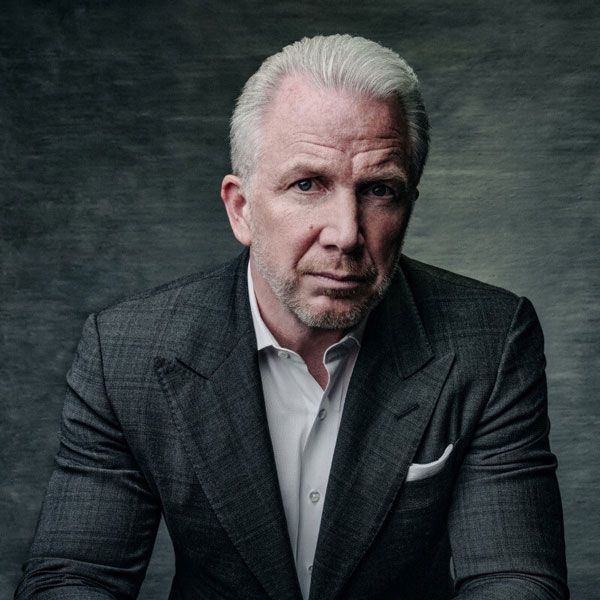
Guest Contact Info:
- Website: https://Jb-capital.com
- Linkedin: https://www.linkedin.com/in/jeremy-b-hill-a0350a3
- Instagram: https://www.instagram.com/thejeremybhill
Guest Bio:
Jeremy is a recognized expert in the private debt industry. Since founding JB Capital in 2003, the company has become a reference for capital placement and advisory services in the US and Canadian lower middle markets. Under Mr. Hill’s leadership, JB Capital has raised and advised on approximately $1 billion in capital for growth companies across the industry spectrum. An acuity for creating innovative solutions to complex situations, his track record of success has allowed him to call on an extensive network of partners that includes leading commercial banks, alternative investment managers, and global advisory firms. Mr. Hill is a guest contributor to CNBC, Bloomberg and provides ongoing financial advice and board leadership to several well-known growth companies.