
Two Heart Attacks at 10: Hanna Bauer on Turning Friction Into Traction
Hanna Bauer shares how childhood heart crises, faith, recovery, entrepreneurship and leadership shaped a practical framework for turning adversity into aligned action, growth and service.
Click the play button (▶️) above to watch the episode now.
“The struggle, the process and the struggle to trust is the miracle.”— Hanna Bauer
Quick Answer: How Do You Turn Friction Into Traction?
Hanna Bauer’s approach starts by recognizing the friction instead of denying it, anchoring yourself to faith and purpose, engaging the situation honestly, taking aligned action, and allowing the experience to transform you. In the episode, she describes this as BEAT: Believe, Engage, Act, Transform. The goal is not to pretend pain is good; it is to stop letting pain be wasted.
🎧 Listen to the Podcast
🗺️ Episode Overview
At four years old, Hanna Bauer says she was diagnosed with a serious heart condition that would shape the next decade of her childhood. By age 10, she had experienced two heart attacks. After the second, Hanna recounts being placed in a morgue before being revived, and says her family was told she had less than six months to live.
Her parents left the life they knew in Venezuela and brought her to the United States after her father found an article about heart research connected to Emory University in Georgia. What followed was years of testing, cardiac care, surgeries, uncertainty and faith. Hanna later learned that the treatment she received had become part of a broader medical breakthrough in pediatric heart rhythm care.
But this episode is not simply about surviving illness. Hanna explains how the lessons she learned in hospital rooms later followed her into marriage, motherhood, entrepreneurship and leadership. She talks about burnout, the difficulty of feeling safe after long-term illness, gratitude, breathing, discerning fearful thoughts, the importance of community, and why the process itself can sometimes be as miraculous as the breakthrough.
Today, Hanna uses those lessons in her leadership work through HEARTnomics and teaches leaders to identify friction before collapse, realign with purpose, people and performance, and turn disruption into traction.
🗝️ Key Discussion Highlights & Takeaways
- Friction can become traction. Hanna encourages listeners to identify the resistance in front of them and ask how it can become momentum rather than merely something to escape.
- Courage often looks like moving without certainty. Hanna credits her parents with leaving everything familiar behind to pursue an experimental path when no guaranteed cure existed.
- The process can be part of the miracle. Hanna says the years of being sustained through uncertainty taught her as much as the dramatic moments of survival.
- BEAT means Believe, Engage, Act, Transform. Hanna says the framework grew out of lessons first learned from a hospital bed and later applied to entrepreneurship and leadership.
- Recovery can require learning how to feel safe again. After years of serious illness, Hanna describes having to become comfortable with wellness instead of constantly expecting the next crisis.
- Faith and action belong together. She repeatedly describes pairing Scripture and prayer with practical steps, discipline, breathing, community and action.
- Burnout can happen even after surviving bigger battles. Hanna explains that later in entrepreneurship she had to relearn how to listen to her body, accept limits and rest.
- Gratitude changes attention. Hanna points to gratitude as one of the earliest practices that helped her move through fear and uncertainty.
- Acts of kindness matter more than people realize. Volunteers, neighbors and strangers who brought food, books, crafts and practical support became part of her family’s story of survival.
- Alignment comes before performance. For exhausted leaders, Hanna recommends checking alignment with purpose, people and expected performance before simply pushing harder.
- You cannot give what you do not have. Sustainable leadership requires receiving, refueling and restoring before trying to pour into everyone else.
⏱️ Show Timestamps & Chapter Markings
- 00:00 – Welcome & Hanna Bauer’s Remarkable Story
- 02:16 – Hanna Joins the Remarkable People Podcast
- 03:24 – Turning Friction Into Traction
- 04:22 – Remarkable People Volume One
- 05:31 – Diagnosed With a Terminal Heart Condition at Four
- 07:53 – Two Heart Attacks at Age 10
- 08:49 – From Venezuela to Georgia in Search of Hope
- 10:20 – A Walk of Faith Toward an Experimental Treatment
- 11:01 – What Hanna Learned From Her Parents’ Courage
- 12:19 – The Electrical Problem Inside Hanna’s Heart
- 13:33 – Learning Her Procedure Became a Medical Breakthrough
- 14:47 – Why Her Doctor Chose Possibility Over the Easier Path
- 16:28 – Recovery, High Standards & Learning to Live Again
- 19:53 – The Morgue, Brain Concerns & the BEAT Method
- 21:43 – Why the Process Itself Can Be the Miracle
- 23:57 – Healing After Trauma & Learning to Feel Safe Again
- 26:05 – Faith Plus Action Through Uncertainty
- 27:19 – Entrepreneurship, Burnout & Learning to Listen to Your Body
- 29:33 – Gratitude, Breathing & Returning to the Basics
- 32:30 – Discerning Thoughts, Fear & Body Awareness
- 39:24 – How Acts of Kindness Became Part of the Miracle
- 41:59 – Hanna Today: Leadership, Maxwell & HEARTnomics
- 43:53 – A Practical Framework for Leaders Facing Friction
- 44:35 – Aligning Purpose, People & Performance
- 46:14 – You Cannot Give What You Don’t Have
- 46:44 – Final Encouragement & Listen. Do. Repeat. For Life!
👤 Guest Contact Info
Hanna Bauer
Leadership strategist, entrepreneur, Six Sigma Black Belt and leadership facilitator focused on helping leaders and organizations turn friction into traction through alignment, continuous improvement and values-based leadership.
Website: HEARTnomics.com
LinkedIn: Hanna Bauer on LinkedIn
Facebook: Hanna Bauer on Facebook
Hanna also mentions a complimentary assessment available through HEARTnomics.
➕ Links & Resources Mentioned
- HEARTnomics — Hanna’s leadership and organizational development work.
- Listen to this episode on Buzzsprout.
- Watch this episode on YouTube.
- Explore more Remarkable People Podcast episodes.
📚 Sources & Medical Background
Important: Hanna’s medical history in this episode is her personal account. The resources below are included as general background on pediatric arrhythmias, electrophysiology and ablation and are not a substitute for medical care.
❓ Frequently Asked Questions About Hanna Bauer, Faith & Turning Friction Into Traction
Who is Hanna Bauer?
Hanna Bauer is a leadership strategist and entrepreneur who works with leaders and organizations through HEARTnomics. In this episode she also shares the personal story behind that work: a childhood marked by severe heart problems, years of treatment, faith, recovery and the lessons she later carried into business and leadership.
What happened to Hanna Bauer when she was 10?
Hanna recounts experiencing two heart attacks at age 10. She says that after the second event she was placed in a morgue before being revived, and that her family was told she had less than six months to live. Her parents then brought her from Venezuela to the United States in search of specialized cardiac care.
What does “turn friction into traction” mean?
It means identifying the resistance, pain or disruption in front of you and asking how it can become information, alignment and forward movement. Hanna’s message is not that suffering is desirable, but that adversity does not have to be wasted.
What is Hanna Bauer’s BEAT method?
In the episode Hanna describes BEAT as Believe, Engage, Act, Transform. She says the framework grew from lessons learned during her childhood medical journey and later became a practical way to approach challenges in life, business and leadership.
How does faith fit into Hanna Bauer’s story?
Faith is central to Hanna’s story. She describes relying on Scripture, prayer, gratitude and trust in God while also taking practical action. She repeatedly emphasizes that faith did not remove uncertainty; it helped her continue through it.
How can I contact Hanna Bauer?
You can learn more at HEARTnomics.com and connect with Hanna through LinkedIn or Facebook using the Guest Contact Info section above.
📝 Read the Full Episode Transcript
Transcript generated from the episode captions and lightly formatted for readability. Speaker labels are omitted where they were not explicit in the source captions.
Full Transcript — Episode 1414 with Hanna Bauer
[00:02] Hello, friend. Thank you so much for watching this podcast. Whether this is your first episode or you've been with us since 2018, I am thankful and grateful you're here, and I hope this podcast is doing what we set out to do: helping you grow and glorifying God. because for myself and our guest, that is the goal, to help you grow and to glorify God. So today's episode I think will absolutely do that. Our guest today is Hanna Bauer. Hanna was born in Peru, raised in Venezuela, and started having health issues to the point of two heart attacks at the age of 10. So her parents brought her to America, Georgia, and you're going to hear her story of not only being I don't want to say a pioneer in the medical industry, because she was the one being experimented on, but thank God it worked, and what they did to her has helped thousands of children and adults.
[01:11] But more than anything, she's not only a survivor of this heart condition, but she's an entrepreneur, she's a wife, she's a mother, and she's an inspiration to us all. So she's going to talk at life through a biblical world filter, how all things that happen to us, even though they can be tragic and terrible, they will ultimately work for good. She gives us steps and ideas on how to deal with the friction and pain in our life, and how to turn that into something beautiful to prosper from. So that's it. Get ready for this remarkable episode right now! The Remarkable People Podcast. Check it out. Remarkable People Podcast.
[02:09] Listen. Do. Repeat. For Life! Hey, Hanna, how are you today? I'm doing awesome. First day of fall, amazingly. I know, right? It doesn't feel like it where I'm at, but where you're at, has it cooled off yet? Actually, no. It's been quite warm. I'm still looking for that crispiness. It's promised by the end of the week, so we'll see. Awesome. Yeah, I love cold weather, anybody who knows me. It's ironic because I live at the beach and I love the beach. Yeah. But I love cold weather, so go figure. But ladies and gentlemen, you didn't here, come here to talk about the weather. No. You came here to grow and to learn, to be inspired, and Hanna is going to do that today with us. She is going to tell her story, and we're going to be able to stop along the way and reverse engineer her successes, and she'll give us- Okay … some practical steps of how she did it so you can, too. Sound good, Hanna?
[03:06] Sounds amazing. All right, so before we get into your story- … Our listeners all over the world are here, and they're, they heard my intro. They know a little bit about what to expect, but straight from you, if someone commits to listen to this episode, what do you guarantee they're going to get that they can apply to their lives by the end? That you're going to be able to identify a friction that you can turn into your traction because we really are all looking for that breakthrough so we can move beyond the circumstances, whether that be scaling in a business or working through a family issue or really looking at an opportunity for growth. I promise you, you'll start looking at your friction as n- as a momentum, as really the stage to go to the next level. Absolutely. If it's easy, you're probably going the wrong direction, right? Oh no. So again, no, the greatest of opportunities are surrounded by the greatest of uncertainty. Exactly. Yeah, sometimes you're in flow and things are just clicking, but most of the time if you're doing something the right way, it's hard and energy is extir- expended, but it's worth it in the end.
[04:07] So Hanna, we are going to hear your story right after this short affiliate break. So ladies and gentlemen, get ready for this amazing, remarkable interview with our friend, Hanna Bauer, right after this. Hello, friends. This is Remarkable People Volume One. It's the first book in a series of books to come where we take guests from the podcast. Each guest writes one short chapter. Each chapter is laser-focused on the area of expertise that they have in life that they found success and freedom, and like our show, they reverse engineer their success into practical steps. And at the end of each chapter, there's even a checklist and kinda success map for you. So you can go to Amazon.com and look for Remarkable People Volume One book. You can do plus my name, David Pasqualone, or you can just click the link in the show notes, because I will say, for some reason, this is hard to find on Amazon.
[05:11] But this book was written by 12 of our guests. There'll be more volumes to come. It's been a huge help to me and a bunch of our listeners that have written in, and I hope you pick it up and it helps you, too. Now enjoy this great episode of the Remarkable People Podcast now! All right, Hanna, you just talked about friction in our lives and turning that into success. Give us a quick summary of your life and how you came to this understanding. I'm sure you had the super easy life. Everything was just unicorns and gumdrops, right? Oh, I would have loved to. But I think most of us will find that not all things are unicorns. There are- some unicorns and there are some gumdrops, but a lot of times not there consistently. So for me, it wasn't that I set out to do anything or "I'm going to go through and conquer this." Actually, my story where I really got encounter with a lot of challenges was by the age of four when I was terminally I was diagnosed with a terminal heart condition.
[06:14] And at that point of course, I don't understand it. My parents understand it, but what I understood is that I couldn't breathe. And as a kid not being able to breathe certain things that I saw that other kids could do from playing in the playground, running, going to school, there were a lot of things that I couldn't do. I- it is the friction that I started seeing will not only when is when is it going to be okay? When is it not going to hurt? But also, what, what am I going to do? What's the future? As a child, I think you always think about these dreams and going forward. So I learned at a young age to not only the understand the fragility of life, understanding the life and death having gone through two heart attacks and a lot of various heart heart not only the heart attack but like the open heart surgeries, heart cath, different things. For the daily just- To live. To go from that to be able to do the normal things, or what I thought would be normal, like going to school, then going to the university, and then be able to be an entrepreneur, have children, things that were honestly some basic things that you we take a lot of times for granted for me were dreams at one point.
[07:21] And I think through that whole journey every time circumstances, s- some tend to fog up what really the possibility can be. And I learned not only in going through that, but the methods that I use that I've really been able to be very blessed to be able to do for other people what was at one point done for me. Yeah, and how long between when you started having health issues and were diagnosed to when you were, "Wow, okay, I'm better, now I'm just moving forward recovering," how many years was that? So that was 10 years from the age of four until the age of 14. The actual I had my first heart attack at the age of 10, then shortly after that I had a second one also at the age of 10. And that one actually they I was already placed at the morgue. I don't have much recollection of what happened. This is according to my parents and the medical community. By a miracle I was actually brought back, and from that point it was a race. Having already experienced two heart attacks almost back to back I had less than six months to live, and that's when we came to the US, and from that point it was a matter of testing and being in the CCU.
[08:33] What seemed to maybe took a, a bit of longer time the first five years it was like the last 10 years was a consistent living in CCU, which is the cardiac care unit basically the ICU for heart patients. Again- And Where did you come from and what state did you land in? So I lived in Venezuela at the time. My parents were originally from Peru. I was born in Peru. Always a foreigner. So although we were Latin America, I wasn't like, "Oh, there's Latin altogether." Over here you come and to the US and you kinda have like this m- generic label of who you are. But over there, still always that foreigner feeling. So for us, migrating to the US was also still a, a being a immigrant, what we have been used to being for years. First landed in Florida briefly, and then went to Georgia. And this is the interesting part, and this is how God works all things, because we used to lived in the jungle parts of the outer parts of Venezuela. And my father, always an avid reader, he would get the Reader's Digest the magazine.
[09:37] I don't know if anybody has heard of Reader's Digest, but a very well-known magazine especially back in the time. And that was basically the way that he would keep in touch with the rest of the world. Where in there he saw this article that talked about the research in heart that was happening at Emory University. So how did we end up in Georgia? Because Emory University is in Georgia. Didn't know anything about Georgia. It was just that Emory University was there from a art- from an article in Reader's Digest, and the ones that made the h- the breakthrough surgery was actually done at Emory University in conjunction with Children's Healthcare of Atlanta, at the time was Egleston Children's Hospital and Scottish Rite. It was actually impossible at the time. E- Emory University was an adult hospital. So it was again, all an experiment, but really a walk of faith from an article in the jungle in Venezuela to end up in Georgia to really that hospital being the one That really did create this breakthrough along with the other two hospitals So this is your story, but what we watch, good or bad, what's modeled for us, we absorb, and then we get choices if we're going to follow it or not.
[10:47] So your dad and your mom clearly, like you said, your dad was reading about it, and they made it happen. Yeah. What kind of steps did your dad and mom take to make that a reality? I'm sure, again, that wasn't the easiest transition. No, and again, for me, I was 10, so I'm observing this, so it's not like I understand all the background story. But I do understand both the face of fear at the time and the face of love . My sister had been born, so she was little. My mom was expecting my brother at the time. But here they have a 10-year-old who is, has less than six months to live, so I would say the heart attack, I think God, a lot of times, He has a way to telling you, "You need to go." And in this case, literally it was the second heart attack. They did everything, and for me, what that modeled was courage. Courage in the middle of uncertainty, leaving an entire world they knew behind, right? Into a world they didn't know in search for a cure that didn't yet exist. As a matter of fact, there was no cure.
[11:50] There, I was actually used a lot of, for the information on the research and experimentation. Because again, this is, we're talking about the late '80s, early '90s. There's not much research in women's heart disease, first of all, much less on children's heart disease because children, they don't get… If children would get a some sort of disease, the research was more on physical abnormalities. Maybe there was something, maybe there was a murmur or something that was physically wrong. In my case, there wasn't anything physically wrong. On the contrary, my heart was very strong. It had all the parts. It was an electrical problem So at the time with the I needed to go on an electrophysiologist. I basically had an electrician Okay … that would work into, i- into the heart. But the technology was not there to be able to really map out. You were starting to get the heart cath, which would map out the heart and how the energy flowed. But still, what was it that was getting… that, that was happening with my heart I didn't really know the impact or what they did.
[12:51] Again, as a kid, I understood pain, I understood care, I understood relief, I understood community, but I didn't really know, and I know a lot of things didn't, weren't completely shared with me all the time because it, it was scary. It was a scary time. I didn't learn much about it until 20 years later when they did the, the ca- the hospital called me, and they wanted to do a channel f- what we call Fox 5, the Fox News, wanted to do a story on the actual surgery, and then later on it became a docum- part of the documentary for the hospital for the 100-year anniversary. So I was actually, at the time, is when I learned that it was a medical breakthrough the 1992 cardiac medical breakthrough. And it was the challenge being that the technology was not there in place to be able to burn the spots that were needed to be burned for the electricity to flow in the right way without burning too much.
[13:52] Again, it's the heart, where the vital parts, you wouldn't basically be killing the person, because it, that's what they'd had to do. They had to burn the heart so that there would be clarity for the energy to flow. Yeah, and at that time, like you said, this was new, and especially- Yeah … in a child. And then some surgeries, you have them, and then 20 years later, other issues come from them. Yeah. So they were just shooting from the hip in a lot of ways, correct? Yeah. There was, the studies that were there were heart cath. The, they didn't try the surgery right away. So they tried it with what again? The heart cat- catheterization, which, they'll map it out, try to map out as much as they can. And then the open heart surgery, which did pretty much the same thing, but just having it open. So they had tried different things. One, I would say as far as learning ro- the role model is that my doctor really believed in the strength of my muscle. So although I was in the transplant list for the heart, he knew, and this is something that was shared with me, that the most I would have would be 10 years.
[14:57] At the time, I was 12. So that would be if everything went The w- my heart, my, my body received a heart well, everything. I would live the most at 22. And there was always something about him where he believed in the strength of my heart and in the strength of what they could do, and that's really showed me leadership because he didn't take, I guess in a sense, the easier, more tried and tested way out. He went for the possibilities that at the end really what did it mean? Yes, it saved my life. I'm here. I'm well. I got five children. I've been an entrepreneur. I've been able to serve in many different ways. But when I was doing the documentary, that's when I found out that 3,000 other kids had been saved by this same surgery in Atlanta. That means… I gotta give it to him for being the visionary, that he didn't give up. But and I guess he- a solution would have been a heart transplant. It would have done the job, but he didn't just want to get the job done.
[15:58] He wanted to leave something lasting that was going to impact a lot more, and it did And so a lot of this, when we're sick or even recovering, post-illness, there's not a lot we can do but pr- trust God and pray and, exercise, eat right. But you're young, and you just had all this procedures and surgery. When did you start feeling better, and they're like, "You're clear. Move forward with life"? That's an interesting question. I think overall with the illness, and I would say I would give it to my father that everybody, well-meaning people would cut me corners, right? You are a kid, can't breathe, heart disease. Don't worry about that. But my father was very strict, and he didn't really let me have that whole calm down. On the contrary, I'm like, "Is this…" I was many times frustrated. "Is this not good enough?" "Why is this not good enough for you?
[16:57] It's good enough for everybody else." And he always had such a high standard that although I would get angry at him in my teenage years, I later on became very grateful because it really built that work ethic in me. So I would say I en- was encountering a lot of that friction throughout in growing up because always this feeling of naturally the not enough, the always behind because I couldn't… there was a time where I wasn't even allowed into school. I was too high of a liability. And going from that, that friction of hey, this is what normal people do at this age, at this time. You're supposed to be in school, to also having a, a father that has such high standards. It always felt like it's not enough. Really learning to rest in that, learning to rest even in the episodes because the episodes were demanding. They literally would drain the energy out of me. My heart would go… Resting heart rate would be in the 220s, 240s.
[17:56] Regular resting heart rate for a human is in the 60s and 70s. Yeah. So I would have this for days at a time. I've been on a treadmill for days, so I was completely exhausted. And then I would also have arrhythmia where it would suddenly be super fast and then go f- literally a flat line and my heart trying to reset. So I was l- I would live in this exhaustion. And finding rest in the exhaustion is what came in, in, and not only that, but faith. 100% faith. Again I had a very interesting concept with life and death since I was young because of what I had experienced. I couldn't deny it. So I knew I, I also couldn't live in fear, because of course it's scary times. What does it feel like? It felt like you held your head under the bathtub. You don't know when you're going to come up for air, and that was me living as a kid.
[18:56] So as, as far as the feels of not being safe, being insecure, not knowing can I go to a birthday party the woe is me feelings that would come, especially in the preteen years and the teenage years when everybody else is going to homecoming. I'm like, "What's that?" I don't know these, these things, and I had to find not only rest in the not knowing, but also rest in the knowing that all things work out for good for those who believe and trust in Him Absolutely. Romans 8:28, that's so true. Once you have… hold on, actually, because I have a question that I'm guessing you struggled with, because a normal human would. But between your birth and when you got cleared by the hospital to move forward, is there anything else we missed, Hanna, or anything else you want to add you think this is significant for the listeners either going through or their child's going through it? Actually, yes, a couple of things.
[19:53] One is, like I mentioned to you I did have that second heart attack, that there's a huge miracle that I was in the morgue and came back, right? I was brought back. There was a lot of things that I had… I didn't have oxygen, not only during that time, it was about five hours, but also in the episodes not having oxygen. One of the things consistently that was told about me is that I wasn't going to be able to learn. And obviously, brain without oxygen is what causes brain damage. And not only did I was able… I am a little bit crazy in a sense, the things that I do, having five kids alone. But the f- opportunity that I had, not only to go to school go to college, full scholarships, lead in college later on being elected in the state for running the Small Business Advisory Council, and later being elected in DC to run the educational system for the United States every kid K through 12.
[20:54] I would say glory to God 100%, because this is the same girl who couldn't go to school. So for the parents that are facing a child that where there's a lot of different things that are going on, and the miracle, yes, you've experienced those miracles in not only my goodness, we made it through that, but it wasn't just coming out from that, it's thriving through that. And that was a lesson for me. That's where my method BEAT comes from. That's where the believe, engage, act, transform. That's… That came from the hospital bed. That took me all the way into entrepreneurship. And the other part is a lot of times we tend to give credit to the miracle. Wow, yes, I know it's miraculous that I was in the morgue and I came back. But the miracle to me, just as miraculous, was the process. Because I struggled with this for a bit. Why did I come back, and yet I came back with a heart disease?
[21:52] I could have come back and everything's well, everything's good. And I think a lot of times we experience those miracles, and as much as a miracle it was that, but my goodness, the, the miracle for five years for these doctors to do what they did, for my body to be able to s- not only survive but make it to go through an innovative surgery that would later save thousands of kids is also the miracle of being able to, this was being able to be sustained through the process. And the process itself is miraculous. The sustainability of that process is a miracle. So for those parents like, "Oh my gosh, you know that your kid … you count that, "Hey, I know that this could have been a completely different story three years ago or one year ago when this episode happened, but we're still in the struggle." Understand that the struggle, the process and the struggle to trust is the miracle. I count that as a miracle as much as it was to be able to say, "Yeah, the, it happened. I had a second heart attack." But my goodness, the sustainability during those five years.
[22:53] And from the time that I felt well, and I didn't get to answer this one, was I got cleared, I would say I had my surgery at the age of 14, but it took me a couple of years to really feel well I would say I was probably almost uncomfortable in feeling well and not being consistently, like, looking out that something was going to happen. And I will say that, too, is giving yourself grace- Yeah … in that. Because I was more well with the dysfunction than I was well with the function of being well, and I had to get used to that. So I will say that also with people. And a lot of times we don't give options to really be well in the function because we're so used to the dysfunction that we want to go back into that and not move forward. And that was my question. So anytime someone's ill, especially for a long time with a serious illness- … I know in my own life, friends and family members, people I've interviewed on the podcast I can't think of one that hasn't… you get through this incredibly traumatic time of your life.
[24:00] The season. Some seasons are weeks, some seasons are years. Yours was years. Yeah. And then when you're done, how did you readjust? because you might feel a twitch in your chest because you just did a pushup the day before- Yeah … and forgot, and you got a little twitch, and then you instantly, your mind's "Oh, crap, is that a heart attack?" It's I know personally that took me a while w- the tumor I had in my head, if something happened, if I had a weird feeling, if, anything was abnormal, I instantly was like, "Did it come back?" Yeah. So how long did it take you to get through that? And it might be years. You might still struggle. And what are some of the techniques you used or things you think or verses you quote? Whatever it is, how do you get through those moments? So anytime God does something great, Satan tries to steal it. He's a counterfeit. Yeah. So what do you do to stop Satan and kick him in the head? Those- Those first couple of years, it was difficult for me to even discern when was good and when it wasn't good, because I had been so many years with monitors, either other human monitors or legit machines all around me.
[25:10] So I had to get … I started getting through by, in es- in essence, getting reacquainted with myself, understanding my humanity, understanding what is, basically learning. And as far as the moments that for completely freaked me out and I was scared I wonder if you've ever seen that movie Bubble Boy, but, where the kid- Now, the original one with John Travolta from the '70s? No, not John Travolta. This thingy, the second one where the kid is in a bubble. Okay. That was essentially me, because, I grew up with a lot of nurses. It was a consistent in and out, so I didn't really have this world. So even just regular stuff would just be scary, and I would quote to m- myself all the time, "I can do all things through Christ who strengthens me." Consistently, I will … I can do all things, and this is … going from that, again, to speaking on stage is a big job that I can only credit to really consistently citing the word of God and that if he's … if I'm going through it, it's also because I've been equipped.
[26:13] So there was a constant part of faith in doing Faith and doing. As far as time, the initial, the two years, like, hey, I'm well. I can go. I can do things. As far as coming back the pregnancies brought back a lot of things with with the heart. And it was different. Anybody who's, hasn't had a heart disease like I did wouldn't, would experience hypertension, will experience different even diabetes when they don't have diabetes, different things that happen with pregnancy. For me, the pregnancies were very much not only a physical drain, but a mental one in essence, because my mind wanted to go back to that. "Oh my gosh, it's going to go happen. Oh, and this." And so I did have some heart challenges in it. And believing again, that this if I'm going through this, also it's because God has a plan in it. So I would say the s- the second part of my life, physically, the pregnancies were challenging.
[27:16] But also the later on, even entrepreneurship, I, we did experience burnout. I wanted to experience, I think it was that part of always feeling behind, that I wanted to go full force with everything. So I went through, yes, I 100% believed it, but I also didn't really listen to my body. I wasn't listening. I had learned so much not to listen in the bad things, right? Because I wanted to still continue and experience and live, that I also didn't really take the time to a- continue to get acquainted with, hey, it's okay to have limits. It's okay to feel tired. There is a time to feel exhausted or tired, and a good thing, you need to rest. So things that were normal to my body, I had to learn to be okay with that, and again, embracing all of my humanity and learning from other people, talking with community, to be able to get through that, talking to other moms, talking to other entrepreneurs, talking to other leaders that were facing things, because that also helped me normalize things, and not isolate myself, what's wrong with me, but understanding this is, again, also part of the process, and that helped me get through it Yeah, that's good.
[28:27] That's really good. And what were some of the things that you would either do or think? You mentioned, "I can do all things through Christ who strengtheneth me," Philippians 4:13. Were there any other reminders? You'd speak out loud. Yeah. I know for myself, I would say, "I am healthy. I am healthy and strong. I am health…" And I'd repeat that over and over again just to break my mind from that obsessive cycle of sickness for freaking 12 years to say, "No, that's over. That's behind me. I am healthy. I am healthy and strong. I am healthy and strong." Did you ever do anything like that? Later on, when I learned more about declarations and affirmation and call those things that are not as though they are, I did. I would say young, as a teenager, I didn't. I would say as I, like I said, at the first book. But I, what I did learn early on was gratitude, and I really believe that gratitude helped me get through so much because being grateful in the moment, being grateful for the people that were there. For example, I always talk about my first coach was my grandma because she would jump into the crisis with me.
[29:30] She would be there to remind me to breathe, a very simple thing. So for me getting through was going back even to the simple, going back to the basics of breathing. So I do a lot of breathing in the, during the times when it isn't… Even now, I still do. I still have my breathing moment in the mornings. But- And talk about that. What do you do? What's the process? because some people they box breathe, where they… What do you? What's your process, Hanna, that maybe it'll help somebody else? I actually, I, you did used to do the box process, but one thing I, I read, and I don't even remember where it was, but I probably started about three years ago, is that breathing in that, "Our, Our Father who art in heaven," and then breathe out, "Hallowed be thy name." So I actually do that, breathing in quietly. Hallowed be thy name. And again, Our Father- Oh … who art in Heaven, thinking it, hallowed be thy name. And again, doing that, I do that seven times just to get in sync. And I do that in the mornings.
[30:27] It's not it just started coming in. It's something that helps me to get in sync just, again, thinking it. I would say the thinking part even Dr. Leaf, I don't know if you've heard of Dr. Leaf. She does on a lot of neuro cycles, neuroplasticity. But even when breathing in the thought that you want and then speaking it out, right? So in, in my case, again, I'm thinking Our Father who art in Heaven, and under my breath, hallowed be thy name. So I do that consistently throughout the day just to sync. Interesting. I've never heard that or thought of that. That's… I'm going to try that. That's excellent. Yeah. I'll be just that consi- and then you know how the Bi- the Bible talks about praying without ceasing? So that would just, And I notice actually that it takes me probably by the fourth or fifth breath- I have a temptation to get distracted. Yeah. Like my mind starts going somewhere, and I have to pull myself back. So I don't know. It's something like I actually have to be very mindful by the fifth breath to stay focused.
[31:26] So I will do that repeatedly until I get through my seventh breath, and then go into the next breath. But it's… i've noticed that. So I even now in, in decision-making in other parts, I do take at least… I'm mindful to take at least five breaths where I'm very focused on that so that I can move on to the next decision. There's something about it. I don't know if there's any science to it or not, but I know that for me, I realize that, yeah, I can do one, I can do two, three, and then by the fourth one, my mind starts wandering. Yeah. By the fifth one, my mind will start, and just bringing it back, and bringing it back. Let me start again. So that, that's been something that, yeah, for the past three years. Before that I still do breathing exercises now. There's dance for box breathing. I do that as well. Where you do the four, three, four, three, and you hold your breath. You do the, the deeper breaths. I do that. I do what… like the cleansing breath. But different… I know there's different breathings, but on a regular basis, I will say that's that's part.
[32:26] And also being aware, what does come to my mind in that moment? And is this my thought or is it not my thought? And catching that. That- Talk about that, too. A- because I have a method, but I want to hear yours. How do you dis- For our listeners, some of them never even considered whose thought is it. But for you, how do you describe how to listen? Is it a thought that Satan's trying to plant in your head? Or is it a thought God's encouraging you with? Or is it your own unique thought? So that is a discernment, right? I… And I think what… How is the best way I can describe discernment as far as a feeling? It's it's like a, that gut feeling. It's either that feeling that makes you lean in or this feeling that even the shoulders makes you go like this. Literally when you're breathing in and your shoulders are going like this. That doesn't seem right. On the contrary, breathing will let you be more open. So I notice even with my body, when I'm breathing and I have a thought, if the thought makes me even feel more physically like this, I'm like, "Wait, what was that thought again? Why am I feeling like that?" So being aware of my body.
[33:27] And I will pay attention to that. The ones that open up, open me up, I realize, "Okay, how am I resting in that?" So I will catch them. In my method, BEAD method, the first part is believe. And I came to realize that what belief was, and it's not just the simple thought. "Hey, this is great," but belief actually will lead you into action. So that's where I also started connecting my body with breathing. As far as what is it that, that distraction Satan or God wanted me to pay attention again, I will listen a lot to my body. I will check. I n- I have enough war in me at this point in my life where I can check it right away. Before when I was younger I didn't have that, but I did have immediately the feeling of fear or the feeling of comfort, right? So I did have those feelings of, "This is it. This is my last breath. I'm going to die." Or even with the pregnancies, everything's like the end of the world, those things. But recalling again, "Okay, is this bringing me closer to another breath, or is this taking me away from wanting to breathe?"
[34:32] If it takes me away from wanting to breathe, it's not from God. The Bible says, "I gave you a choice between life and death. Choose life." So He wants me to breathe. He is the breath of life. So in, in that, whatever's going to help me breathe better, really I would even just with my body start understanding that is from the Lord. The other part is checking it with the word of God. Again, when you're getting in sync and seeing what are those thoughts that are coming in, they might be l- immediate like a poking. "Hey, I need to look more into that. Why did that thought come in right now?" And being curious about it, I started learning not to just shoving everything away, but is this genuine curiosity? Is this a time with myself? Is this… Is… let me look into that. And also the difference between c- being convicted versus being judged. Because I also noticed I had thoughts that felt immediately judgmental, and again, and my body completely even just wrapped me up, versus being convicted.
[35:33] Which, yes, it was painful in the conviction, but yet it opened me up to what is the solution, it opened me up to being more curious in the conviction, knowing that God is taking me to a place where I can take l- a deeper look into that. The Bible talks about to re- to search, when David was calling out to Him, "To search my heart, oh Lord." He calls out to search and very much with the heart. And it's having those times when you are really breathing, when you are really taking the time to honor Him, that being open, not just going with whatever comes into mind, but being aware- What you're doing at the time, being aware of the feelings that come in there, and writing it down. I will put some check marks and things. Like I'm not going to go there right now, but I'm going to put it in the background. I'm going to write it down to see if it's something that I come back to later on. And I really… Everything does start with belief.
[36:33] I can't go with everything that comes in through my head, so I have to check it in the Word. And God is the good shepherd. He has a way, in a day, to tell you, to confirm, to talk to you to really tell you, "Hey, this is the right direction or not." He's a good shepherd. I talk a lot. Leadership for me is everything. And one of the greatest things of a leader is clarity. So if I'm ex- If we're expected to have clear leaders we have the greatest leader of all. He wants us to have clarity. So it's not a guessing game with the thoughts. It is… He is the author of clarity. He is the author to tell us and, "Hey, yeah, you need to… Let's put that over there. We don't need to deal with that." Or, "Hey, this is where I need you to be at." Because He is the greatest leader of them all. Absolutely, and he talks about how, "My sheep hear my voice and they know me." Know me. So when we've trusted Christ as our savior, we'll hear him and we'll know him, like you said. You have peace. Even if it's like, "Hey, we need to get this right"- Yeah … there's that peace in there, and there's not that… There's never bringing into darkness.
[37:34] There's always bringing into light. There's never that dirty sin shame, but there's healthy love and conviction. So I'm really glad you shared all that so you can differentiate. Rob Jackson was a guest we had on the show. He was an author of Remarkable People Book Volume One. Okay. And one of the things he said was when you're hearing thoughts, let's just say negative thoughts about yourself "You suck. You're no good. You're terrible. Nobody loves you." He's like, "What are, is that exactly saying?" And he's he was using the illustration. He's like, "Is it saying I'm no good. Nobody loves me. I stink? Or is it you're no good. You're, you blah, blah, blah, blah?" And the difference he said is if you're thinking about yourself, which is actually rare, he's like, "That's you. That's… You need to get that, taken care of with God." He's like, "But most of the time it's Satan trying to plant seeds in your head, or if you're unsaved, it could be a demon." And he's He was using that as an illustration.
[38:37] So he's like, "When you're hearing those bad thoughts, is it saying you, or are you saying me?" And I thought that was huge, and it's really helped me- Yeah, no, 100%. Yeah. So now, in your life, Hanna, between your birth and today, before we transition to where you are today, where are you going next, how can we help you get there, anything else you want to talk about or any other real life lessons you're like, "This helped me 100%, I hope it helps you, too"? And it could be about anything. Yeah. I think one of the things I do talk a lot about the professionals, of course, and my parents because, they had a, a great reason for fighting for my life and that. But I can't… I can tell you that just as much of the lessons that I learned from my parents and the professionals for the decisions that they were making, I really learned from the volunteers and people of acts of kindness. I think in a time when you are going through a lot of suffering and agony, really the, one of the greatest medicines, if not the greatest medicine, is those acts of kindness, that act of love.
[39:37] For me, I would say it not being able to go to school, not being able to do, experience a lot of things experiencing the volunteers that would come into the hospital that would drop off a card or a random flower or come in and do crafts with me or bring me a book and read me a story, did as much help. The people that would watch my little sister so my mom could come. I recall those instances that shaped me so much. So I would say for those of you that are in a position to to help to go in, do not disregard like I'm not a doctor and I don't have a… I don't have this or that." I- the- that act of kindness is really what helped me get through so much later on, and really is embedded into everything that I do. Yeah. Again, always line up with scripture. Be doers of the word and not hearers only, right? Yeah.
[40:34] By grace you're saved- Remember at my tail you gave me a cup of water and I was thirsty, yeah. Yeah. That's By grace you're saved through faith. But at the same time, you gotta work, you gotta do things. You can't just be a lazy… Forgive me I'm going to say it. You can't just be lazy and coast through life, right? You gotta share that love that God shared with us. Go and do it. Yeah. Go and… Those people were very much God's hands and feet when, at a time, especially coming to a, a country with, I didn't speak the language. My family didn't have family. And every one of those people, they became family. They did things. From my dad at the time, he, all he could do was push grocery carts. Very well-educated. My mom was a chemical engineer. Couldn't get the job. So we went through a lot. W- plus they had a, a dying kid, with two little ones. People's kindness, that was miracle after miracle. My parents transferred that to me. The times that food would show up, the times that be… And it wasn't just magic.
[41:34] Yeah. Somebody went to the grocery store and bought that. Somebody went and did a food drive. Somebody went and saw a need and met it, and that was God. real to us. Yep, 100%. So Hanna, where are you today? Where are you headed next? How can listeners get ahold of you to continue the conversation? Just easy stuff. Today I get the privilege to serve as faculty for the Maxwell Leadership Team. So we have about 56,000 coaches, and I get to train them. I'm part of a group of 20 that get to train them on a weekly basis. So it's for those of you that know John Maxwell, he's an amazing teacher in leadership, and really a values-based that has impacted the world. So I'm part of that team. So any one of you that are maybe part of the Maxwell team listening, I know we have quite a few out there always feel free to say hello, as reach out, say that you got to listen to this episode. I get to serve a lot manufacturers and hospitality and services.
[42:37] Really, a lot of the leaders that are going through disruption. This one of my specialties having gone through crisis and disruption. I'm a black belt in Six Sigma, so I do continuous improvement getting to that 99.99% defect avoiding those defect factors. And that's what I get to do. I get to help with consulting, help with leadership global in education. So if anybody wants to get in touch with me to take a look at turning your friction into traction in your business with your team communication, you can reach me on LinkedIn, you can follow me on… You can go on the heartnomics.com. I have a complimentary assessment. And really looking at helping leaders that are not just looking to be successful, but looking to be significant, and that means developing that next lineup of leaders that can take your business to the next level, your organization to be that, not only in the kingdom, mainly in the kingdom, but also in the, the humans that are part of it, to be able to provide for our families and for our communities.
[43:41] Nice. So ladies and gentlemen, as always, we'll put Hanna's links in the show notes with a summary and so much more. But Hanna, before we go- … Let's do an exercise. Sure. So you got people with friction. Yeah. And they're getting tired, and they may want to quit. Or they may be getting frustrated and they're blowing up, snapping at people. There's 1,000 outcomes. But they're suffering friction- … on average, A, B, C, one, two, three, however you want to classify it. What are ways that you frame things up with your clients to slow 'em down, stop, evaluate what's really going on, and here's how to maybe handle it? First thing is they have to want to stop, second first recognize where you're at. Because a lot of times with exhaustion is not, we don't acknowledge that exhaustion until it's a collapse. So pre-collapse, we can look at that and align. So one of the main things is alignment. Alignment to what?
[44:38] Alignment to your purpose, alignment with the people that you do the work with, and alignment to the performance that you're expecting to do together. So for that person, that leader, that owner that is completely exhausted, that is trying to get things done, number one is when was the last time that you took to align with the purpose and with those things that matter to you? We cannot give what we don't have. So you can very much, sometimes in we're mistaken leadership that, "Hey, I just gotta give." And then there's nothing left and we don't take the time to fuel ourselves. So that would be the next part, but fuel with what? It has to be fueling with the right thing. Fueling, and the fueling when we talk about from the giving, aligning with the purpose. What are we talking about? The fulfillment of it. So the first thing would be w- my internal, do my in- does my internal alignment, does it go with the external execution that I'm expecting of myself and my team?
[45:41] And that's where that conversation would start. And from that is really understanding what is the fulfillment? How are you receiving? The word says, you do not have for you do not ask." But also talks about receiving. We have a lot of gifts we have to learn to receive, and that is one of the things I do find a lot with my leaders is not taking the time to receive. Which then leads on to this consistent giving and not receiving. But again, you cannot give what you don't have. You cannot give out of an empty cup. So first thing- Break. Take the time to align so that you can then give out of alignment and bring your teams into alignment so you can perform and complete the vision and the mission that you were sent out here to do. Amen. I think that's great advice and very true. You cannot give, ladies and gentlemen, what you don't have. Despite what the Democratic Socialist of America say, it's impossible. So let's make sure we go to God, get our cups full, and as it overflows, we give to others.
[46:41] So Hanna, thank you so much for being here today. Oh, you're quite welcome. Thanks for having me. Oh, it's been an honor. And ladies and gentlemen, like our slogan says, if you've listened to any other episodes, Listen. Do. Repeat. For Life! Don't just listen to this episode to be entertained with what Hanna said, but do what you know you need to do that she recommended. Repeat it each day. Form those good, healthy habits so you can have a great life in this world, but more importantly, an eternity to come. Because if you're with Christ, everything's amazing. But if you're not with Christ, the reality is there's a lake of fire. We don't want that. God doesn't want that. You don't want that. So come to know him. Reach out to Hanna, myself. Read your Bible. But if we can help you in any way, just please contact us. So Hanna, thank you again for being here. I really appreciate your time. Appreciate you. Thanks for having me. Awesome.
[47:37] Ladies and gentlemen, we love you. Share this episode with your friends and families. We can help them too, and we'll see you in the next episode. Ciao! Ladies and gentlemen, I sincerely hope this show has inspired you. The whole purpose of the Remarkable People Podcast is to inspire you, to motivate you into action, to help you have an even better life, to overcome things you've not yet been able to overcome, or to grow to the next level that you never thought possible. And all of this, not just to benefit you in this world- … but to have you come to a relationship with God where it grows every day stronger. And not just this world is blessed, but your eternity is blessed. And we sincerely wanna do just that, and to glorify God, and we hope with this episode we accomplish that. If we did, please let me know. It's great to be encouraged and to spread the word to our remarkable guests that it helped in your life.
[48:41] If we didn't, let me know. Write me an email. You can go to davidpasqualone.com. Go to our Contact Us page and let me know what you think. I got tough skin. Let it rip. Anything you can think of to make this a better podcast, to help you grow and to glorify God, I'm in. So that's it. Thank you for listening to the podcast. Thank you for sending us feedback. If we can help you in any way, let us know. And if you can spread the word about the Remarkable People Podcast, share the episode to your friends, your family on social media, it would be a huge honor and blessing. Again, I'm not trying to be the most famous podcast in the world for my benefit. I truly want a podcast that's the best podcast in the world to help as many people as we can to have a better life, come to know Christ, to grow in the Lord, and to have that salvation so they can be with God in peace and joy and eternity.
[49:43] And right now we're together on this earth, so let's do everything we can to work together and help each other grow. Like the Bible says, "Love the Lord thy God" as a first commandment, and the next commandment is to, "Love thy neighbor as thyself." So let's do it together. I'm David Pasqualone. I love you, not as much as God loves you, but if I can help you in any way, just ask. And again, please share this to your friends and family so we can help them too. Ciao. See you in the next episode! The Remarkable People Podcast. Check it out. Remarkable People Podcast. Listen. Do. Repeat. For Life! The Remarkable People Podcast
Listen. Do. Repeat. For Life!
If Hanna’s story helped you, share this episode with someone facing friction, uncertainty, illness, burnout or a difficult transition. Then choose one practical action from the conversation and put it into practice today.
REMARKABLE SPECIAL OFFER(S):

MyPillow
Save 30% to 80% on EVERYTHING you order at MyPillow.com with Free Promo Code, “REMARKABLE“. Yes, that’s right! Use the best My Pillow promo code out there to save a TON of money on all 200+ quality, comfortable, cozy home goods at MyPillow.com/Remarkable, or by calling 1-800-644-6612. From sheets, to blankets, to pillows, to mattress toppers, be ready to sleep better and live more comfortably than you ever have before!

Console Vault
Your Exclusive Offer: Save Big on Your Console Vault In-Vehicle Safe. With our exclusive promo code, "REMARKABLE", you will Save 10% or more on all Console Vault anti-theft vehicle safes you order. And sometimes, you'll receive Free Shipping too! Just make sure to use the free Console Vault discount code, “REMARKABLE” at checkout.
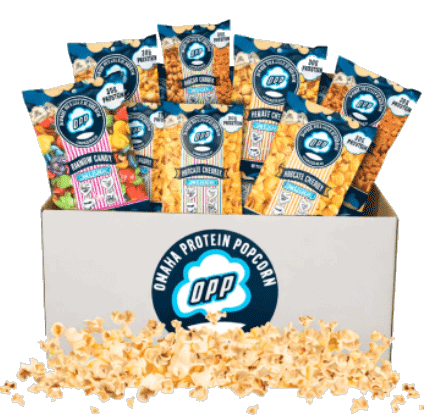
Omaha Protein Popcorn
Taste the most delicious, nutritious, and highest quality protein popcorn on the planet at https://www.omahaproteinpopcorn.com! Not only will you, your children, friends, and loved ones enjoy this healthy snack immensely, but you'll all benefit from the 32-40g of the highest quality protein in the world PER SERVING. Use the Omaha Protein Popcorn promo code, "REMARKABLE" at checkout to save 10-20% off of your entire order, and Free Shipping too! 💪
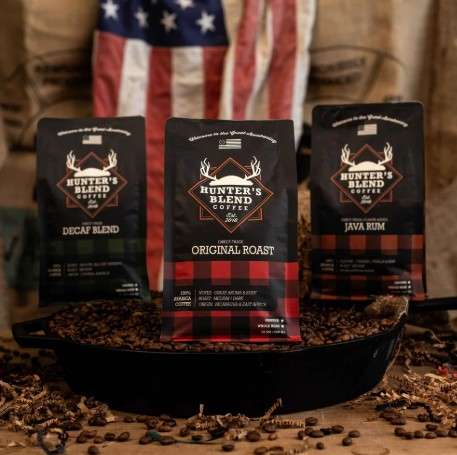
Hunter's Blend Coffee
Stop wasting your hard-earned money on overpriced, corporate coffee that funds liberal agendas. It’s time to upgrade your morning routine with Hunter’s Blend Coffee! Hunter's Blend sources only the top 6% of specialty beans on the planet, precision-roasts them in micro-batches, and ships them fresh right to your door. This is quite possibly the smoothest, best coffee David has ever tasted—and it directly supports the values you live by, including pro-life organizations, veterans, youth shooting sports, wildlife conservation, and anti-human trafficking causes. Don't settle for mediocre, politically correct brew. Click here to order your fresh batch now and use promo code Remarkable at checkout to instantly save 10% and lock in Free Shipping! You will not be disappointed. ☕
💡 Maximize Your Savings: Wondering why we recommend REMARKABLE over generic social media codes?
What does Mike Lindell himself have to say about the My Pillow promo code, "Remarkable"?
Watch Now!
For more information, visit https://davidpasqualone.com/partners-and-affiliates/mypillow/official-mypillow-promo-code-verified/.
About the Reviewer: David Pasqualone
David Pasqualone has been a long-time MyPillow user, testing their products for years before becoming an affiliate. His reviews are based on personal use of the pillows, blankets, towels, and sheets. David's commitment is to provide honest, human-to-human analysis so you can make the best purchase decision for your sleep health.
Read more about David's mission.