
One Last Hit: Austin Rampt on Addiction Recovery, Faith & Redemption
Click the play button (▶️) above to watch now! 👆
"The opposite is not sobriety. It’s deep, intimate connections.”
~ Austin Rampt
LISTEN TO THE PODCAST
🗺️ Episode Overview
Austin Rampt joins David Pasqualone for one of the most raw and redemptive conversations on the Remarkable People Podcast. In this deeply personal episode, Austin shares how childhood shame, anxiety, bullying, and a desperate need for acceptance opened the door to alcohol, drugs, and a long battle with addiction.
What follows is not a polished success story—it is a brutally honest account of pain, relapse, arrests, overdoses, broken relationships, homelessness, and the kind of self-destruction that should have ended in death. Austin describes burning down his family home as a teenager, spiraling through narcotics and crack cocaine, failing out of college, finding temporary sobriety, building success, relapsing again, and eventually running to Mexico where his life descended even further into chaos, violence, and despair.
But this episode is not just about rock bottom. It is about what happened after. Austin explains how recovery became real only when he stopped performing, stopped trying to earn love, and finally became honest, vulnerable, and willing to surrender. He shares the breakthrough that helped him realize his worth was not something he had to achieve—and how deep, meaningful relationships became part of the real healing process.
Today, Austin is a father of five, an author, a businessman, and a man committed to helping others. His story is a stunning reminder that no matter how far someone has fallen, God’s grace, truth, recovery, and redemption can still rebuild a life.
🗝️ Key Discussion Highlights & Takeaways
-
Childhood wounds often become adult battles
Austin traces much of his addiction story back to early shame, anxiety, bullying, and unresolved emotional wounds.
-
Achievement cannot heal a broken identity
Baseball, success, business, and money could not fix Austin’s deep belief that he was “not good enough.”
-
Addiction often feels like relief before it becomes destruction
Austin described alcohol as the first thing that ever made the noise inside him go quiet.
-
Rock bottom can be a process, not a moment
His story includes arrests, overdose, failed recovery attempts, relapse, divorce, running to Mexico, cartel danger, and emotional collapse.
-
Information is not the same as transformation
Austin had years of exposure to recovery ideas, but healing only deepened when he finally became honest and vulnerable.
-
The opposite of addiction is connection
One of the strongest themes in the episode is that recovery is not just about abstinence—it is about deep, intimate, life-giving relationships.
-
Faith and surrender matter
Austin explains how his spiritual journey evolved over time and how surrender opened the door to lasting change.
-
You do not have to earn love
One of the episode’s most powerful breakthroughs came when Austin confronted the lie that love had to be deserved.
-
Fatherhood and family became part of redemption
Austin’s restored family life is one of the clearest examples of how completely a broken life can be rebuilt.
-
God can bring beauty from valleys
Austin repeatedly points to the truth that growth often happens not on the mountaintop, but in the painful valleys of life.
⏱️ Show Timestamps & Chapter Markings
00:00 – Welcome to the Episode
00:40 – What Austin Promises to Deliver
01:52 – Affiliate Sponsor Break
03:03 – Austin’s Childhood, Shame, Anxiety & Baseball
06:05 – First Drinks, First Peace, and the Start of Addiction
07:12 – Burning Down the Family Home
08:25 – College Collapse, Arrests & Teen Challenge
10:51 – Grandma’s Funeral, the Golf Cart Incident & Jail
12:30 – Sobriety, Business Success, Marriage & Relapse
14:05 – The Opposite of Addiction Is Connection
15:11 – Divorce, New Relationship & a Dangerous Spiral
17:12 – Marchman Act, Rehab or Jail, and Fleeing to Mexico
18:36 – Cartel Chaos, Violence & Self-Pity in Mexico
20:47 – The Childhood Trauma Beneath the Addiction
23:41 – The “Not Good Enough” Wound
25:07 – Despair, Suicide Talk, and a Serious Clarification
27:01 – Stuck in Mexico City and the Family That Changed Him
31:04 – Gunpoint, Rock Bottom & Returning to Treatment
32:14 – The Breakthrough: You Don’t Have to Earn Love
34:07 – Vulnerability, Recovery & Real Relationships
35:11 – Family, Fatherhood & Surrendering Control
37:45 – Addiction, Emptiness & the Need for God
38:43 – Austin’s Spiritual Journey and Return to the Bible
43:14 – Do 12-Step Programs Align with Scripture?
48:37 – Austin Today: Family, Book, Businesses & Service
51:20 – What Peptides Are and Austin’s Professional Work
52:26 – Growth Happens in the Valley
54:16 – Where to Find Austin and His Book
55:17 – Slow Down and Notice the Miracles
55:39 – Final Encouragement and Wrap-Up
➕ Additional Links, Offers, and Details Mentioned in Interview:
Guest Links
- Austin Rampt Website:
https://onelasthitbook.com - Book: One Last Hit
Sponsors / Offers Mentioned
Use promo code:
REMARKABLE
Mentioned partners:
- MyPillow
- Console Vault
- Omaha Protein Popcorn
REMARKABLE SPECIAL OFFER(S):

MyPillow
Save 30% to 80% on EVERYTHING you order at MyPillow.com with Free Promo Code, “REMARKABLE“. Yes, that’s right! Use the best My Pillow promo code out there to save a TON of money on all 200+ quality, comfortable, cozy home goods at MyPillow.com/Remarkable, or by calling 1-800-644-6612. From sheets, to blankets, to pillows, to mattress toppers, be ready to sleep better and live more comfortably than you ever have before!

Console Vault
Your Exclusive Offer: Save Big on Your Console Vault In-Vehicle Safe. With our exclusive promo code, "REMARKABLE", you will Save 10% or more on all Console Vault anti-theft vehicle safes you order. And sometimes, you'll receive Free Shipping too! Just make sure to use the free Console Vault discount code, “REMARKABLE” at checkout.
Omaha Protein Popcorn
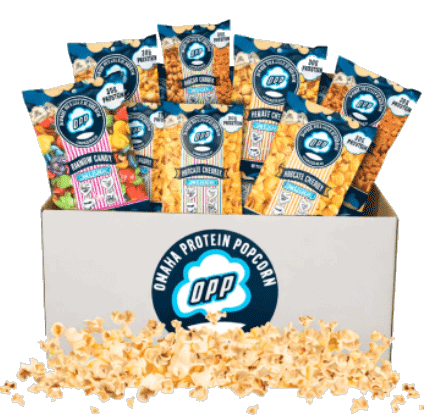
Taste the most delicious, nutritious, and highest quality protein popcorn on the planet at https://www.omahaproteinpopcorn.com! Not only will you, your children, friends, and loved ones enjoy this healthy snack immensely, but you'll all benefit from the 32-40g of the highest quality protein in the world PER SERVING. Use the Omaha Protein Popcorn promo code, "REMARKABLE" at checkout to save 10-20% off of your entire order, and Free Shipping too! 💪
Hunter's Blend Coffee
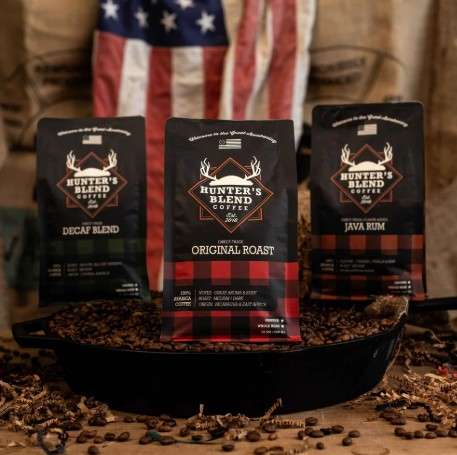
Stop wasting your hard-earned money on overpriced, corporate coffee that funds liberal agendas. It’s time to upgrade your morning routine with Hunter’s Blend Coffee! Hunter's Blend sources only the top 6% of specialty beans on the planet, precision-roasts them in micro-batches, and ships them fresh right to your door. This is quite possibly the smoothest, best coffee David has ever tasted—and it directly supports the values you live by, including pro-life organizations, veterans, youth shooting sports, wildlife conservation, and anti-human trafficking causes. Don't settle for mediocre, politically correct brew. Click here to order your fresh batch now and use promo code Remarkable at checkout to instantly save 10% and lock in Free Shipping! You will not be disappointed. ☕
Read the Full Episode Transcript
One Last Hit: Austin Rampt on Addiction Recovery, Faith & Redemption
David Pasqualone: Ladies and gentlemen, welcome to this episode of the Remarkable People Podcast. Today, we have a very special guest with us, Austin Rampt. Austin, welcome to the show.
Austin Rampt: David, thanks so much for having me, buddy. Great to be here.
David Pasqualone: Oh, it's an honor to have you. I thank you for your patience in waiting to be on the show. And like we said, ladies and gentlemen, in the intro reel you just saw, Listen. Do. Repeat. For Life! Don't just listen to the great content Austin's about to bring you, but do what you know you need to do. Repeat it each day.
Form those healthy habits so you can have a great life in this world, but more importantly, in eternity to come. So Austin, there's friends from around the world joining us right now. They can either click it off or listen and spend this next 30 to 60 minutes with us. What do you promise you're going to deliver to our listeners' lives that can help them grow and have a better life?
Austin Rampt: Man, beautiful. [00:01:00] Beautiful intro. So what I promise I'm going to deliver to you is an honest story. It's the, kind of the way that I plowed my life into the ground, bounced back from drug addiction and homelessness. And and I'll tell you today, I'm a... I own multiple businesses. I'm a father of five living a beautiful life from a guy that that by all accounts should be dead, wanted to be dead for a certain period of my life.
And and I ho- I hope I can bring that for you. I hope I can bring an authentic, genuine, real version of myself today.
David Pasqualone: I'm sure you will 'cause I won't let you BS us. I'll click it off, right? We've been doing this since 2018, and our listeners know around the world we're here to be real, to help each other.
The good, the bad, the ugly, the pretty ugly, it all comes out. And ladies and gentlemen, you're going to g- have a great episode to grow with and share with. Just we're going to take a quick affiliate break and be back with Austin Rampt.
David Pasqualone: We are going to take a quick break to let you know that our sponsors, MyPillow.com, ConsoleVault.com, [00:02:00] OmahaProteinPopcorn.com, and others all support you. If you go to their websites, you not only get the best pillows and blankets and mattress toppers and in-vehicle safes or delicious protein popcorn, but you save 10% or more, in the MyPillow case, 30 to 80%, and then you usually get free shipping on your purchase.
So you're not only getting what you're going to buy anyways, which is best in class, you're going to sleep and live better, but with promo code REMARKABLE, you're going to save money, you're going to support companies that are pro-God, pro-America, and pro-you while you support our show, and we're hopefully supporting you.
So it's just this beautiful everyone helps each other for good. So I'm David Pasqualone. Let's get back to this episode of the Remarkable People [00:03:00] Podcast now.
David Pasqualone: All right, Austin, they do not want to hear me talk.
They want to hear you talk. So for someone to be a successful entrepreneur that's impressive. For someone to say, "I did it after being addicted to drugs and not just BS'ing my way through life. I'm really free from that addiction." And then on top of it, you were homeless because of the drugs and alcohol.
Take us through your origin story, man. Where were you born? What was your upbringing life? Because whether it was good or bad, it makes us the people we are today, right? So what led up from your childhood into that self-destructive behavior, and then how did you unwind it and heal and be on the show today?
Austin Rampt: Yeah let's get into it. So I was born in Dallas, Texas. Spent a portion of my, so first six years of my life in Dallas, couple years in Florida. I know we're both Florida guys. And spent four years of my childhood in Tokyo, Japan. My dad was a, he [00:04:00] was an executive for Price Waterhouse.
He was sent over there to start up a software company. And I'll tell you, I, I had really bad neurological tics as a kid. So my, my wife calls it diet Tourette's, and I still have some of these twitches, so if you see my eyes or my nose going that's what I've been whittling it down to over the last 40 years.
But when I was a kid, they were horrendous. I would... my arm would twitch, or my, I would have vocal tics, right? So I'd be in the back, if you could picture this, an, an eight or nine-year-old kid in the back of the classroom going, "
And having no ability to stop it. And so I was this overweight kid making these weird noises in class, had no idea what, why my body was doing things without my permission, and the kids were absolutely brutal what I came to find out was I had a hugely high degree of anxiety as a kid, but if I could look back and put two feelings on it, it was shame and anxiety.
These were the things that I was feeling. And so I, my, my one, in my own mind, my one [00:05:00] redeeming quality as a child was I was really good at baseball. I played baseball my whole life, I was head and shoulders bigger than the other kids. I could step out on the diamond, swing the bat and knock it out of the park.
I was the home run leader for the league m- lot of years running. And I remember being out there, and while feeling completely deficient in my normal life, when I would get out on the baseball field, it was like all of that changed. And I remember when I would hit home runs, my dad normally being, like, this unfeeling...
He might tell me he loved me once in a while, but not really. This kind of unfeeling guy. He would be high-fiving the other dads in the stands. And somehow I got this message that if I exceptionally achieve, that I'm somehow worthy of his love. And the flip side also became true for me, that if I don't achieve, then I'm somehow not worthy of that love.
And so we move back to the States when I'm 13 and this is when, the, the other kids in the neighborhood were a lot older than me. I was just [00:06:00] dying for acceptance. And I'm in the garage of a buddy of mine, his name is Ryan and we steal some tall boys out of his dad's fridge. And it was the first time in my life, I remember, I, I drank the first one, didn't like how it tasted, but the other guys were doing the same thing.
Drank the second one, and then about halfway into the third one, that magic happens, and it's something that's real. Everyone gets a buzz from alcohol. That's not unique. The thing that is unique, I think, is something that it does to us as alcoholics and addicts, and it was like driving through a, a, a rainstorm or let's say a hurricane.
We're here in Florida, right? So if you're silly enough to be out driving, and the rain's just beating on the top of the car, and you go under an overpass for a second, right? And it's just ah, that first time things got quiet, that first time I ever experienced peace. And it was like I'd been walking around with this massive problem that I didn't know I had until alcohol solved it for me.
And so by age 15, I'm addicted to [00:07:00] narcotic painkillers. By age 17, I'm smoking crack cocaine. It was that progression. And as I was in my junior year Going into senior year, I had decided I was going to grow marijuana in my closet, and I was a really bad weed grower. I was not good at this. They were both male plants, big, but not the plants you want.
And I had set up this elaborate grow light system around my plants, and my mom had come in, she knew about the plants, and she hung up some of my laundry one day in my closet. And I didn't think to look at the plants or anything, I just flicked my lights on one night at 7:00 PM. And I'm out sitting on the computer doing something about 8:30, and I start hearing a crackling coming from the back of the room.
And so I walk back there, and I'm the only one in the house, and I opened up the door, and it was like backdraft. Just flames shot out of my room. And and at 17 years old, I accidentally, but nevertheless, burnt our family home to the ground growing pot in the closet. And so what [00:08:00] this was just another piece of crap piling on the gigantic piece of crap that my mind told me was Austin, who was never going to be good enough, who wasn't worthy of love, all these different things.
And so I actually did graduate high school, went to college on a, the the, oh gosh, the lottery scholarship that we have here in Florida. The name is escaping me. Florida
David Pasqualone: Bright. Florida Bright something.
Austin Rampt: Bright, Bright Futures. Yeah, that's the one. Thank you. And I went to USF in Tampa. And I remember getting there just thinking, "God, who let me out of the house at 17 years old?"
This... I just knew that I was going to destroy it. And I did. I proceeded to completely and utterly destroy my college career. Within three semesters, I had flunked out. And so I go back to Brooksville, which is where we were living at the time, a little bit north of Tampa, and a series of arrests start happening.
Just all sorts of stuff that makes it very clear to my parents, this kid has got an issue and we don't know how to solve it. And they're, they were good, Christian folks. They, they wanted [00:09:00] to he- to be helpful, but they... While I have a lot of addiction and alcoholism in my family, I don't have a lot of recovery in my family, so they didn't have that side of things.
And so my grandmother had been donating to this place called Teen Challenge for a long time, which was, it's a faith-based program for the world's most troubled youth, or men. And essentially what it is, it's a faith-based rehab. But they don't really... The one that I went to doesn't give you much rehabilitation.
What they give you is you get a lot of Bible study, you get a lot of going to church, which are all great things. They've held me in great stead to this very day. But what they didn't teach me anything about is they never explained to me the problem that I had. And if I'm not impressed with the problem I've got, I'm not going to be at all impressed with your solution to my problem.
And I drank the day that I got out of there after 18 months. And and this preceded just, a number of overdoses that finally lands me in a, a rehab program at 22 years old, and I barely made it. I barely made it. And so I get there, and this is my first [00:10:00] entryway into, 12-step recovery, which is, what I'm sober in today.
And I go through this, this, this rehab program. Four days before I'm supposed to get out, my grandmother passes away and and she lived in The Villages, which is... You know what The Villages is, David, in the middle of, in middle of Florida?
David Pasqualone: Next to... Yeah. It's a, there's actually a bridge that goes over the highway and it says The Villages and-
Austin Rampt: Yeah
David Pasqualone: yes. We just- A
Austin Rampt: massive retirement community. Yes. Is what it is, right?
David Pasqualone: Yeah. And so- So ladies and gentlemen, it's when you drive by and there's exit numbers and then you see exit 234 and it has like Hokieville, whatever it is, and then you go a few miles and it's another town.
The Villages is just a little subdivision retirement community, but you're driving for a while on the highway. That's how big it is.
Austin Rampt: It's huge. It's huge. Yeah. And so I get out of this rehab and somehow I had talked them into giving me benzodiazepines while I was in there, Klonopin. And so they [00:11:00] discharged me with all of these narcotic medications.
And so I start blacking out, taking them instantly on the bus ride. And so I show up to The Villages, which is where I'm going for my grandmother's funeral, and I get the bright idea that I'm going to steal my grandfather's golf cart, drive it to the hood, and pawn it for dope Two, two things were problematic in that statement.
Number one is I ran out of battery on a major highway. So in the morning of my grandmother's funeral, her daughter and husband, who by the way had just been the guy that, that paid for rehab for me, had to send a tow truck to pick me up. And I never made my way to the hood because, like you just said, David, The Villages is massive.
There's no hood in The Villages, right? There's nowhere for me to go to buy drugs. And so it was a, a really sad scenario that I used to make kinda light of because it's kinda funny but I'll be honest with you, man it was a, a really sad point in my life. And so the next day I'm supposed to go down to North Palm Beach, Florida, which [00:12:00] is where my dad's going to take me so I can get into a halfway house, et cetera.
And I'm in Tampa. He ho- he goes and takes a nap at 2:00 PM. I decide I'm going to hop in a cab and go down to 22nd Street, which back when I was 14, 15 years old, 22nd Street is the place you went if you wanted to score something. And I get down there and nobody will sell to me, which isn't surprising 'cause I'm me in funeral clothes.
And finally these two guys come up to me, and it's one guy, this, this big guy, kinda portly guy, and this skinny guy, and the skinny guy's shirt said, "No snitching at any time by order of the Ghetto Republic." And I thought these are definitely my guys." And no sooner had I put money in their hands that I was slammed up against a brick wall, and it had been a sting.
The cops were racing from across the street. And so this started a stint of 30, 40 days, I don't remember exactly, in, in Falkenburg Jail in Tampa. And so from this point forward, I actually do manage to get sober surprisingly. My dad drops me off, one-way ticket, says, "Good luck. Don't come [00:13:00] home.
We're kinda done with the Austin problem at this point." And from the ages of 22 until 31 in 12-step recovery, I find sobriety. And start a business, a very successful business in the peptide industry, which is the industry that I work in now, and got married, had a couple of kids struggled a little bit with the spiritual aspect of the program, being unsure where I was going to fit into that, like what actually made sense to me, and we can dive into that if you want to.
And, but- And
David Pasqualone: you can name the program. Our show is completely open and free dialogue. So if you want to name the program, you can. If you don't have to
Austin Rampt: So I actually, the reason that I don't mention the fellowship specifically is because I use our la- my last name. It's on the book. And so we're always supposed to maintain personal anonymity at the level of press, radio, and films.
It's one of our traditions. And so at, at the prompting of my my mentors, I just kinda say 12-step recovery for that reason. But y- lot of shows that I go on offer me to do that so I appreciate you, you saying that, David.
David Pasqualone: Yeah. I just don't want you to feel like you [00:14:00] can't. We're totally-
Austin Rampt: No.
None whatsoever. So at age 31, here's what goes down. The, the life that sobriety had given me took me away from the thing that had given me sobriety, which for a guy like me, you know, the antidote that I've come to learn to addiction and alcoholism is, the opposite is not sobriety.
It's deep, intimate connections, right? It's that connectedness that I have with the community. It's the design for living that we get in the 12 steps. And when I relapsed, it was horrendous, and I went on a really significant run that eventually lands me in stage four renal failure in Huntington Beach Detox out in California.
I had overdosed the week prior in the Hard Rock in Fort Lauderdale. And, And so I get out there and I go to this, this rehab called Promises, which Promises is like, they've got one in Malibu, which is if you're a famous movie star or s- the kid of a famous movie star, and then they had a secondary one in Santa Monica, which was called Promises for Professionals.
And this was the place [00:15:00] where, why they sent me there I couldn't tell you to this day except to say that maybe that my employees of my company were the ones to schedule this. But I'm in there with anesthesiologists and doctors and lawyers and then there's just me, who's just a guy that happened to have a s- a, fairly successful company.
And while I'm in there, my wife, the woman that I had been married to for a long time, she had been on a string of relapses as well. And we had two kids at the time, and it had gotten very unfair to them. And so a- at the prompting of a therapist for the sake of my own sobriety and hers I filed for divorce.
And there were a series of things. There was some infidelity on her part and other things. But while I'm doing that, genius move on my part, I decide I'm going to strike up a relationship with somebody who works there at the rehab. And she had seven years sober. I had 30 days sober. It was clearly a match, made in somewhere, probably not heaven.
And she decides she's going to move back to Florida with me, to Palm Beach County. [00:16:00] And so we get back, and it wasn't 60 days before we relapsed, and there were two things I didn't know about this girl. So she had changed her last name before I met her. Her last name prior to me meeting her was Gambino, and she had come from a mafia family and s- had seen some horrific things as a child, people getting eaten by pigs, all sorts of stuff.
And as a result of that, it had c- she had become, and I don't know if it was a result of that, but she was schizophrenic, and it was under control because she had been sober for so long, but the moment substances entered her body, she went nutso. And so her and I go on a horrendous run from this point forward which ends in me being Marchman acted.
Do you know what a Marchman act is, David?
David Pasqualone: I do not. I know what Baker Acting is, but describe Mark and Mark, describe it to me and our audience- Yeah ... all over the world.
Austin Rampt: I will. So in, in Florida there's two acts. There's [00:17:00] the Baker Act, which is like, "We're going to take your shoelaces. You're going to get a 72-hour psych hold."
It's generally on the heels of, potentially being suicidal or something like that.
David Pasqualone: Yeah,
Austin Rampt: harm yourself or- And then there's the Marchman Act. Yeah, exactly. A- and then there's the Marchman Act. Now, the Marchman Act is specifically for people that are drinking and using drugs to the degree that you can reasonably prove they're going to kill your- they're going to kill themselves.
And so normally it's the family it's much harder to get than a Baker Act. The family will get involved with a lawyer, and they will get the courts involved to pick this person up and force them to go to rehab essentially. And so I'm in a, a hotel room down in, in Fort Lauderdale, Broward County doing what I do with, w- wife number two, 'cause again, great decisions, I decided I was going to marry her.
And the cops kick the door in and they yank me out of there. They bring me to a detox and I go in front of a magistrate who says, "Jail or rehab. Take your pick, and we don't really care which." And so [00:18:00] I took rehab, and after seven or eight days in this rehab I grabbed my stuff, ran out the door as they're calling the cops, hopped on a plane and moved to Mexico.
And and this starts a journey of two years of es- essentially, me being on the run, but being in Mexico you can pretty much kinda hang out. Nobody's going to bother you in Mexico. And so I landed in Cancun with wife number two, and quickly go and start, purchasing the party favors in the way that I did here in the United States.
And y- you ever been to Cancun, David?
David Pasqualone: I've been there just off cruises, nothing like to stay or be a resident.
Austin Rampt: Okay. So I'll, for anyone listening that's never been to Cancun it's a it's a wild place. It's the number one tourist destination in Mexico, which makes it very important, but at the same time it's also run top to bottom by the Sinaloa cartel.
Everything. You can't be a police officer, taxi driver, nothing, right? It's, kinda if Jimmy Hoffa had a [00:19:00] cartel you couldn't get through it. And so when I land there and I start, buying drugs in the way that I buy drugs, they quickly identified me as a buyer, started putting me up in their places and, protecting me and allowing me to destroy my life in the way that I had always dreamed of, which sounds horrible but that's what it was.
Towards, towards the end of this time, I end up in Mexico City, and and there's, there's a lot of details i- in the midst of this, right? Like I almost got kidnapped once which I'm surprised they didn't kidnap, actually kidnap me. Somehow I was able to to maneuver around that. But all sorts of...
one time I woke up and my throat was slashed. I woke up in a pool of my own blood, barely alive. Just really horrific stuff. And, y- for anyone listening, you should be... Remember that I had two kids in the United States who my heart was just breaking for daily, but while I would sit around and cry, I wasn't taking any action.
I wasn't doing anything to be in their life. I wasn't trying to, [00:20:00] I was sitting in self-pity, really was what I was doing. And,
David Pasqualone: Yeah, and I don't want to, I don't want to jump ahead in your story, but I want to make sure we don't miss critical points either. So up to this point in your life, you said early on in your childhood you ing- had anxiety and shame.
And anything in our lives not dealt with and resolved, it just builds and gets worse. Yet how God makes it, we bring things to the light, and in a moment our lives can be healed just by-
...
David Pasqualone: Letting it go, right? So I don't want to get ahead of your story, but was there something in your childhood that brought this anxiety and this shame and this self-medication that you haven't dealt with yet, or are you getting to that in the story?
Austin Rampt: So yes. L- let's di- let's pivot into that. I like that. So this was something I actually didn't learn until I was writing my book. When I was two years old my uncle, who I got very close to later in [00:21:00] life was dealing drugs. And this was in Dallas. And he sold a bad batch to somebody, and that person broke into his house and murdered his wife.
And I was very close to this woman. And I... W- what started happening was the trial started happening. They caught the people, and, my uncle had to testify, my mom and dad, and there was an energy around that, and nobody ever dealt with that. Nobody ever said, "Hey, we, we saw these pictures of how they tied this woman up and killed her," and all these different things.
The solution that they had was we're going to drink at it and we're going to forget that it happened, right? It was a tough time. And so that was the energy that was going on by my caregivers at a very young age. When and I, what I make up, and I don't know this for sure, but what I make up is after a number of years of these types of feelings inside of me, my little body didn't know what to do with it.[00:22:00]
And so that's when these tics and twitches just started going nuts. Being the overweight kid-
David Pasqualone: And if I can jump in for our listeners and even for you potentially, I had a very similar experience when I was a child, and it takes away the safety, that natural safety that your parents are there to protect you.
And when that kinda gets broken, when you're outside of the umbrella of God and your father and your mother and, your siblings, there's a level of protection and structure. And when you're removed from that and you're vulnerable as a child, it brings that anxiety and shame. And I, like you, I was chubby.
I had nervous twitches. I had, lots of issues, but nobody ever addressed it. It was just like, "Oh, he's the weird kid." Yeah. That's just who it is." Yeah. And then "Hey, this happened. Why's it bothering you? Move forward with life." I- is that... I don't want to speak for you, but it sounds like that natural safety, you're worried, is somebody going to break in and [00:23:00] kill me maybe?
I- is that right or am I way off base?
Austin Rampt: No, you're not off base. I think, so I had parents who gave me the best the best that they had, but I came from a long line of folks that, didn't have a high EQ, maybe emotional awareness. My dad was very focused on his career, and I think he fell under the delusion that his job as the man was only to provide, that there was nothing else he really needed to do there.
And, so there were things, right? There were things. And I think while their intention was very good, and always has been, potentially the impact of some of that may have been more negative than, than even I realize probably today. And so what I... But the, the message I started getting was not that I did something wrong, it's that I am wrong, that I am defective, and that, that was never corrected.
And so later on the, this huge not good enough wound is really what lived in my heart, right? This not good enough [00:24:00] wound of, if I achieve, somehow I'll be whole and complete. Somehow I'll find that, tomorrow- salvation is coming tomorrow, right? It's not here, but once we get there, we'll know it.
And when I finally did all these things that I thought I was supposed to do, get married, be successful, have kids, and that wound, that hole in my soul was still there. The only... Looking back, I think the only thing that made any sense to me was to blow it up. And and once I start taking a drink, once I put any drugs in my body, I get this overwhelming compulsion for more.
It's I remember being a kid and, I'd play at the houses of the other kids in my neighborhood, and in Florida everyone has pools, and inevitably these older, bigger kids at some point in swimming would hold my head underwater, and I hated it. It was them being bullies and all that but that feeling of panic, like I'm going to do anything I've gotta do to get that next breath.
That's the way that it feels in my body. And Anyhow, yeah, so I, [00:25:00] I spent most of my mornings, whenever I did sleep, waking up just in tears, just wanting to die but not having the courage to do it. And so I go to Mexico City this one weekend to party-
David Pasqualone: Hold on, I do want to clarify that.
not courageous- Yeah ... to commit suicide, but I know what you meant. At that age, I just, any of our listeners who might be struggling with thoughts of suicide-
Austin Rampt: Oh, yeah ...
David Pasqualone: don't let short-term temporary problems, even though they seem huge, they're not going to be there even in a year or two years.
So do not let Satan mess with your head and think suicide's the action. And I wasn't trying to get on you and be picky, but for anybody out there thinking about suicide, I don't want them to think it's a courageous act. It actually sabotages generations of your family. Your kids are now 70% more likely to commit suicide.
Your grandkids are 50% more likely. So I'm big on don't joke about that, so I don't want- I'm glad
Austin Rampt: you corrected that, actually.
David Pasqualone: In- yeah, I don't, I just don't want people to walk away thinking suicide... I don't want there to be any positive connection between suicide and courage, 'cause that's, it's not.
And I know what you meant. You meant-
Yeah ... [00:26:00] you weren't, you know, you weren't going to do it. You were afraid to do it. You knew there was more in the future. But Satan- Yeah ... tries to mess with our thoughts. That's why I just want to make sure we clarify that.
Austin Rampt: Totally. I heard a great line that said, suicide doesn't take away your pain, it just takes it and it gives it to the people that loved you the most."
I was like, "Wow, that's a good one." That's a stat- Yeah. But in, in the addiction circles, that I'm running with we... I might have any part of my vernacular that might come out, and I appreciate if you jump in and c- and correct it because-
David Pasqualone: Yeah, no, I don't want you to think- Yeah
I'm some kinda A-hole, but just I- ... I don't ever want something that, that's like, nope, that's no, I don't want that association being there. No. It's like saying- Good ... it's okay to commit adultery. No, it's never- Yeah,
Austin Rampt: it's
David Pasqualone: not ... you're cheating on God. You're not cheating even on your spouse. You are, but y- it's to God, yeah. I just want to have some hard lines. I want to make sure our viewers are never... Through our podcast, we want to glorify God and help people grow. I don't want people to be hooked by Satan and some mistake, 'cause I know that's not what you meant.
Austin Rampt: Yeah. Oh, thanks, David. I appreciate that, man.
David Pasqualone: Yeah, so go on.
Go on with your story, though, 'cause it is important.
Austin Rampt: Yeah, so th- things start [00:27:00] to... So I land in Mexico City and the money's running out at this point. I had been there a few months prior, and I had met this girl that had just fallen in love with me. But she didn't, she didn't do drugs. She just f- I was there for the party, and when the party was up, I was, you know, hopefully going to, you know, not be around any longer or make my way back into the United States.
And I had bribed a government official to make me a Mexican citizen, so I had Mexican credentials for
David Pasqualone: all intents and purposes. And actually, I was going to ask you, you had cash flow from your business still?
Austin Rampt: Yeah yeah, a good question. So I had gone there with, gosh, liquid I think I had taken about 600 grand with me.
And then for the first four or five months, the business was still going. But what had happened was, and this kind of was a part of my downfall in the United States, is that- The men that I had sponsored who had more than five years sober, I hired them, and it changed the dynamic of our relationship.
And I had also started a business with the man who was my sponsor. And so I had systematically dismantled my, my own [00:28:00] support group to the... when you start signing people's checks you- your relationship with them changes. It just does. And and so they had made the decision that they weren't going to continue to fund my addiction, and they shut the company down about four months into my Mexico stint.
But I was so out of my mind, I couldn't have, I couldn't have tried to claw it back even if I wanted to.
David Pasqualone: And so- Yeah, and I guess, again, for people listening, $600,000 sounds like a lot of money, but when you're in Mexico and you're going to have everything of your assets seized, or when you're just wasting it on drugs, it can go very fast.
Austin Rampt: Yeah. And it did. It went very... And especially when, y- you've got a group of people who their only desire is to get you to spend your money. They'll make sure you have every means to be able to do that. And but I get stranded in Mexico City. My wallet gets stolen, and I'm unable to get back on a plane to Cancun.
And so I call this girl, her name was Fabi, and and I said, "Fabi, I'm stuck in Mexico City." And she said, "I want you to come out to my [00:29:00] mom's house. I want you to live with me and my mom." Now, I had met this girl for a few days. And so I get in a cab, and I go out to this city on the outskirts of Mexico City called Coacalco, and very impoverished city.
I pull up to, where her mom lives and she's, she meets me out there, and she walks me by my hand to her mom's, we will, we'll call it an apartment. And what I'm look, I'm seeing around me are cinder block buildings, wires hanging with, clothes hanging off of them.
And it's about the color of my hat, right? It's a green color. And these giant water tanks on the top of the buildings. I don't I don't know what they are. And so I get into her mom's house, and what I proceed to experience are two people that never had... they probably never held $1,000 in their life.
They didn't have all the things that I was searching for, thinking it was going to fulfill me, that it was going to make me whole and [00:30:00] complete. And what I met were two of the most loving, caring, and happy people I had ever met in my entire life. And so as I'm living with them on day number two, I asked Fabi, I said, "Fabs, can I take a shower?"
And she says, "Yeah, but I need you to wait a minute." I didn't know what she was doing. And she comes back later with a pot of hot water, and what she had to do is she had to go boil water and pour it into a bucket because they didn't have hot running water. Those things on the top of the, the building that I was unsure what they were, those are rain collectors, and that's where they get their water from.
And and she had been showering out of a bucket for years. And so in the span of in the span of less than two years, I had gone from, making over a million bucks a year in the United States to showering out of a bucket in Mexico City. And no big surprise, our relationship doesn't work out.
She would say things like, "Hey, uh, we're going to have a kids, kids and get married." And I'd say, "No, we're not. When [00:31:00] the drugs run out, I'm out of here." And she didn't seem to like that. And and so at the end of it, the, the relationship had gotten violent and, and I decide I'm going to move in with my drug dealer.
And my final night there is, is him sitting on a couch with a pistol pointed at me for about three hours because he thought... And again, we're all been drinking and partying. He thought I disrespected his dog. And and he was unsure whether or not he was going to need to shoot me to defend the honor of his dog.
Anyhow, long story short, he didn't shoot me, thankfully. And and I knew that my time was up. That was it, it had been a couple of years. I had burnt everything to the ground, and I didn't die. I thought I was going to. You know, my heart, my heart lasted longer than the bank account did And and I come back to the United States and I, I don't get sober right away.
Like I, I overdosed a couple times and I finally do land in treatment. And this is, this is where things start taking a turn. I had so long in 12-step recovery that I had the [00:32:00] information. But for guys like, like me, having the information does not equate to a solution.
There's a big difference between having the transformation and just having the information. And so I go into this rehab and if you could sum me up at this particular time in my life, I was frightened but wouldn't show you that. Displaying, narcissistic tendencies. And they had me pegged from day one.
And I remember my, my counselor walked in one day, my therapist and she put a picture of her little girl up on the wall. And she said, "What does this little baby girl have to do to deserve love?" It was an 18-month-old beautiful little girl. And of course, the answer was nothing. That, that's a child.
That child doesn't have to do anything to deserve love. And she made the very strong argument that the only difference between me and that child was an idea, and that I was the only one that had that idea, and that idea was the very thing that was going to prevent me from getting better. [00:33:00] Now, my, my life didn't completely change from that day forward, but because I had lost everything, I had no resources left available to me to run.
It was the first time, and here I'll use the word courage in the proper sense this time, it was the first time I was willing to have the courage to step out into the world and actually be Austin, to actually say, "Okay, I'm-- if I'm scared, I'm going to say I'm scared. And if I'm ha- I'm just going to let you know what's going on with me and not try and..."
'Cause what I would do is I used to go into situations, and I would kinda use my world as a sonar. I would think, "Okay, who does he want me to be?" I would try and pr- present that person, and then whatever reaction I got back from you, I would take as being exactly who I was. 'Cause I had no ability to esteem myself at that time.
So this was really, it was stepping out on a ledge for me. A- and what I started to find out was that I got deeper relationships. I got more genuine, more intimate relationships with the people around me, [00:34:00] had more fulfilling sobriety than I'd ever had in my life, and I didn't need to constantly chase that thing that I thought was going to save me, you know?
And, it, the 12-step recovery program is, it's s- rooted in spirituality. That is the solution of 12-step recovery is, you find a higher power of some sort, which is going to solve your problem. And, And that's been my experience. Nine months later, I attracted the woman who is now my wife.
We've been married for we've been together nine years, married for eight. And those two little beautiful little babies that I left when I went to Mexico, not only did I get full custody of them, but we had three more. So my house is a little nuts at times. I have 15, 12, 6, 3 and 1.
Those are my ages right now. But, I think I mentioned this earlier, David. What I started to learn is that the thing that I desired more than anything else in this world, like in my heart, was [00:35:00] close, personal, intimate relationships with other people. But the thing my head feared more than anything else was exactly that, because the requirement to get that is I have to be vulnerable.
I have to actually show you who I am. And and I always had the narrative that if I show you who I am, you're not going to love me. You're going to reject me. And it was like God knew early on, man, that this was the life that was going to be the best one for me. But I'll be honest with you I fought more children every step of the way.
That, that self-centered part of me, that was like, "Hey, I'm pushing 40 now. We should probably stop having kids, right?" And, and that's when we had three. And but strangely enough, as I grew to being a father and like really started to learn what that looked like- Man, those little kids, they're mirror reflections of us, and I don't mean in the way that they look.
In, in the- their energy. However I'm doing not what I show you, but [00:36:00] how I'm doing in my heart, like how am I really doing, they pick up on that stuff, and if I'm calm, they're calm, and if I'm anxious, they're anxious, right? They mirror that energy back to us. A- and my wife, she's a, a tremendous mother, and I'll share this story with you.
There's a line in our literature in 12-step recovery that says it's, "It's the great obsession of every abnormal drinker that someday he'll control and enjoy his drinking," which if I'm controlling it, I'm not enjoying it, and if I'm enjoying it, I'm not controlling it. My sponsor said something to me one day.
He said, I would suggest life is the same way, that if I'm the one that has to be in control of it all the time, I'm not enjoying it, and if I am, it's probably because I gave control up to God." And and w- my wife came to me one day when the kids were being especially difficult, and she said, "Look, man, it's their job to push the boundaries, and it's our job to hold the boundaries, and if we can properly discipline our children, [00:37:00] then they're going to have faith that we're going to meet their needs.
And if they believe their parents are going to meet their needs, then they're free to be children." It was almost the same thing that my sponsor said to me. It was like she summed up the relationship with God in a single sentence. And and so my goal today, man, and I do, a lot of stuff professionally but my goal today is to how can I be more like my kids?
How can I get less caught up in the minutiae of the day? And be more free 'cause I've given up control. And so that's the that's the story, man. And there's a lot that happened, obviously life happens in between, but boy it's become a beautiful life.
David Pasqualone: Yeah, and for our listeners who are struggling with drug addiction, alcoholism, I think that's a drug addiction- Yeah
gambling addiction, sex addiction. Doesn't matter what the addiction is. There's a emptiness in our soul, and to those people that are listening or they're about to forward this to somebody they really love, [00:38:00] in my mind, even when I was a child, I believed there was a God, but I didn't know who God was. And then when I was 15, I started reading the Bible. I started reading a bunch of different literature, and I saw all these are lies. They don't line up. Doesn't line up with history. There's flaws. They're making predictions that don't come true. Where the Bible, past, present, and I believe future, it's always right?
No contradiction, no flaw. So even though I believed there was a God, it wasn't till I was 15 that I recognized all the truths in the Bible, and by grace you're saved through faith. Like you said, when does that child deserve love? It's just love. God loves us, right? So when you went to all these rehabs, and I'm sure other people talked to you about God in the past, what was it that clicked or changed in you?
Or if you were talking to other listeners right now, people who are struggling, who don't believe in God, but He is the answer, what would you say to them, Austin?
Austin Rampt: Oh, man, I love that question. If I can take you down a little journey for a second with that, 'cause I've had a big [00:39:00] one. So I was raised in the church.
Every Sunday we were there, hell or high water. Sometimes it was hell. Hold
David Pasqualone: on. Define the church, because church in America could be the Baptist Church. Yeah. Church in England could be the Catholic Church. Church in Utah could be the Mormon Church. Sure. And every one of them, it's the man's church, not God's church, right?
Yeah. So talk about your frame of reference.
Austin Rampt: Sure. So I was raised in the Methodist Church. Which i- in my experience being a Methodist, you can do whatever you want, just come on Sunday, it's pretty easy to be a Methodist. And and when I first got sober at 22 I was attending church services.
I was tithing every week al- to almost a superstitious degree. Because again, I'm not good enough, s- so I've got to achieve. So I've got to do exactly 10%, otherwise I'm going to have a bad week at work. All these, these superstitions. And I ... this particular church started, To, so there was an author I got really into named Eckhart Tolle, who's a, he's a spiritual teacher, right?
N- not any particular faith. He just talks [00:40:00] about principles that are relatively true to all faiths. And and this particular church started railing against him specifically, calling him satanic and other things. And, but he had really started to become alive for me in, in the things that he was saying.
And so I was like, this doesn't really jive." And being, a young, immature kid at 22 years old, instead of saying maybe this particular church I'm going to is not the one that jives for me," I just took the whole religion and I said, "Boom, this is wrong." And so that started a journey that was really not an easy one for me.
I- it was, me exploring and trying to figure out what, what made the most sense in my heart. Because I would go to meetings and I would see 100 people in a room with 100 different conceptions of God, and yet they were all seemingly able to access the same power to stay sober.
And it was really confusing to me. And the commonality, at least from things that I've read on folks that have [00:41:00] had, really deep, vital spiritual experiences, seems to be some form of complete surrender. They've had events that have surrendered them and, And I wasn't going to have my complete surrender event for a lot of years after that.
But once I did, I started becoming open-minded to, okay let's just, let's start taking spiritual actions and let God show himself to us. And and so that's what I did. And I've since come full circle, right? In, in my morning prayer and meditation, I read the Bible again. It's a part of my, it's a part of my daily thing.
I have multiple 12 step recovery books that I read as well. A- and really the idea there is that if I live up in my head, you know, I'm, I'm going to go down the wrong path, and I quite frequently do. But if I let God enter into it to start my day, I quite frequently have wonderful days. I'm less self-centered.
I think of others. And I, like you, have found tons of truth in, in the spiritual literature. Even in our 12 step recovery book, it says, "See where religious people are right. Make use of what they offer." Don't [00:42:00] close your mind to spiritual things. And and i- it's been a journey for me, and it was not an easy one.
But it's one that I'm glad I went on now. Y-
David Pasqualone: yes. And there are good and bad of everything. There's good and bad CEOs. There's good and bad janitors. There's good and bad doctors. There's good and bad recovery programs. But I remember growing up and always hearing how evil, and I'm going to say specifically what I heard, "AA started good and it's evil.
Salvation Army started good and it's evil." And while I understand some of the things these individuals were pointing out and saying, where I do believe you don't change the Bible, I also personally, when I was getting... I had to attend meetings when I was getting a degree. And I had to go to AA and Narcotics Anonymous, and I had to do weeks of these while I'm learning, right?
And I'll tell you what. I don't care who you are, there is so [00:43:00] much great content in those curriculums that help you be a better man, a better woman, like a better human. And I remember, okay, I use the term God, 'cause that's what's in the Bible, and Jesus, and the Holy Ghost, and they did change it to the Creator or the universe.
That's a rub for me as a Christian, but I can understand some of the reasons why they did it based on, support society, whatever, and I can see the argument. But to say that curriculum, like you went through and it changed your life, I've sat through weeks of it, and I was like, "This just makes me feel closer to God."
What are your thoughts on these programs in general when you go through the curriculum and then you read your Bible? Are they lining up or are they way off base?
Austin Rampt: Yeah, so th- they line up very much. I mean-
David Pasqualone: Exactly.
Austin Rampt: So all of the 12 step programs came out of the first 12 step program, which is AA.
And AA's 12 steps came from a first century [00:44:00] Christian movement called the Oxford Groups. It wasn't around the first century, but they believed in first century principles. The need for, y- surrender. They believe in these, these four absolutes, absolute love, absolute unselfishness- absolute purity, and I forget what the fourth one is. But where we get the need for inventory, and where we get the need for restitution, and where we get the need for confession, and where we get s- the need to be of service, which is essentially the 12 step process, that all comes from the Oxford Groups.
It wasn't made up by the guy who started AA. And these are things that, the Oxford Group didn't make up either, right? They've been around for millennia. And, All
David Pasqualone: truth comes from God when you track it back.
Austin Rampt: Yeah. And look, there are, having had the Teen Challenge experience of 18 months of intense Bible study and church every day, and then reading the Big Book of Alcoholics Anonymous, and I see things like, there's a line in the book that says, "If we keep close to God and perform His work well, He'll provide what we need."
But I know Romans 8:28, which says, "All things work for the good of those that love [00:45:00] God and are called according to His purpose." It's the same thing rewritten. And but people that are, in my experience, right? And Teen Challenge would not let a 12 step recovery program come in, because the 12 step recovery program, their purpose is to help as many people as possible, and a lot of prejudice exists.
So if it was a specifically religious program That kind of excludes like a lot of the world. And but, looking at Teen Challenge being specifically a religious program, I think they did us a great disservice by not allowing the process of the 12 steps to come in. Because, fear, right?
I guess it was fear. Because what they would say is we can't let that in here because you can make anything your higher power." But if God is God, and w- and, and we're going to get the opportunity to learn what that is to whatever degree my head can wrap its way around infinite, right? No beginning and no end, I don't think I need to be in fear that, some process of uncovering, discovering, and discarding the things in [00:46:00] my life that are not working for me is going to somehow lead me down the path of a false belief.
Yeah. At least that's my take.
David Pasqualone: No, and I can see it both ways. I can see the purists "It's blasphemy. You don't dishonor God," right? And then I can see the other side where it's a lot more people are going to come through this program if we make these tweaks. So I believe everything in life has balance.
The Bible says- ... a false balance is abomination to the Lord, but a just weight is his delight. So if it was changing salvation, I'm against it. If it's changing a clear doctrine, I'm against it. But if it's something that's preferential, like cigars are a huge topic, right? People will take the Lord's name in vain in church, but if you say you smoke cigars, they act like you're a leper and going to hell.
First off, it talks about taking God's name in vain many times in the Bible, but it never mentions cigars or tobacco. So w- they got really societal standards going on there, not biblical ones. So I'm tended to... [00:47:00] I tend to side with what you're saying, where I personally wouldn't take God's name out of it, but I know there's a lot of people that wouldn't show up.
So
Austin Rampt: I can see both sides. They didn't take God's name out of it. Yeah, they- they say Go- they say God throughout it. What the- Oh, okay ... there's a chapter in the book called We Agnostics: Those of Us Without Knowledge. Which, i- it's a, for anyone listening that doesn't understand the clarification, right?
If you're an atheist, you believe in proof of the non-existence of God, right? If you're a, a religious sort or a spiritual person, you believe in proof of the existence. And the agnostic is essentially somebody who's never seen proof of the exist- existence of God. It's the, the one without knowledge.
And it's one of the best intellectual arguments to put it in that way, that it's better to believe than not believe. It makes more sense intellectually to believe than not believe. There's all sorts of things in this world that we have faith in. So throughout that, the writer uses various spiritual terms.
He might say, spirit [00:48:00] of the universe, or he might say the Great Spirit. But that's the only place that it does that because that particular one is centered for the agnostics, the ones without knowledge. So trying to get them over the hump. But the rest of it says God the whole way through.
David Pasqualone: All right, Austin, so let's do this.
Between your birth and today, is there anything significant we missed or any other info you want to share that you know is going to be valuable to our listeners before we transition to where is Austin today and where are you heading next?
Austin Rampt: No I think we've covered a lot of stuff. Probably everything that I would normally go through on a podcast.
I think we, we did good.
David Pasqualone: All right, man. Then let's do this. Where are you today? What's going on in your life? And where are you headed next?
Austin Rampt: Yeah. So I, I mentioned this earlier. I have five beautiful babies at home, and I'll tell you a little story. I think I was telling you before this, David.
I was in a a men's retreat up in Alabama this last weekend and it always falls over my birthday every year. And and I get [00:49:00] home and I walk through the door, and before I even, before I can do anything, my six-year-old is running out of her room to tackle me, but on the back wall are all these poster boards and all of my kids had spent the entire day that day making these beautiful, "Happy 43rd Birthday, Dad" poster boards.
And I took a picture of it and I sent it to my buddy. I said, "Can you believe this?" And it- it's like,
it's like everything I ever wanted in a moment. It's I t- I spent so many years with this false belief, a- and a belief that, I know a lot of men fall into, which is that as the man, it I am required to provide. And at the end of my provision is pretty much where my job ends.
And and I had that belief in my first marriage. And as a result of that, I was an emotionally absent husband and, a [00:50:00] lot of the time a physically absent father because I was chasing that. And and I have not been that way in my family these days, in the last number of years.
And I'll tell you the, the gifts that I've gotten as a result of that have been all the things that I've ever wanted that I never knew I wanted. And it was ... it's just become a remarkable life for a guy like me who thought he wasn't going to be here to experience this. And so what am I doing today?
Today I have a book. It's called One Last Hit, which if ... It goes into the really detailed version of the story that I just told you. Doing a lot of podcasts, like I'm chatting with you. I have a number of companies still in, in the peptide space, in the telehealth space. And and I'm very active in 12-step recovery.
I sponsor a l- a lot of men. The, the r- retreat that we just went to was a 12-step recovery retreat. And and I'm on the not just the journey of knowing myself better but the journey of seeing how I can be m- most useful to God and the people around me a- and how I can show up best [00:51:00] as a husband, and a father, and a sponsor, and a friend
David Pasqualone: So you mentioned that before.
What is the peptide business? When you... What are you doing?
Austin Rampt: Yeah. So I've actually been in that industry for about 15 years. Are- do you know what peptides are, David?
David Pasqualone: Honestly, I've heard polypeptide and I've heard peptides, but right now it's eluding me.
Austin Rampt: Yeah. I'll tell you what they are. So pe- peptides are chains of amino acids that, back when I first started in the industry, nobody knew what they were.
Now everyone knows what they are because of things like Ozempic. Ozempic is a peptide. It's a chain of amino acids that, it signals the body to do certain things. Peptides have been very popular in anti-aging circles for a long time. And so they've... They're- they got their renaissance recently with RFK taking over Health and Human Services and, the FDA and, and so long story short, yeah, it's become a really great industry to be in. And I have a, a, a telehealth company called Zenbody that I don't even know why I said the name. I'm not here to promote that [00:52:00] company. But anyhow, No, I
David Pasqualone: asked you. Don't worry about it, man. I mean- Yeah cool
anybody just... you mentioned that and it was just a natural question to what are you doing in the professional- Yeah ... side that funds the ministry.
Austin Rampt: Yeah. So that's, that's pretty much it. I'm... Gosh. I want to tell you, I, I worked in the digital asset space for a long time, crypto for about seven years, which is why I have this podcast set up.
Even though I do my own podcast, I had a number of them in the past. A- and it was very good to us. Very good to us. But I got burnt out on it after a while. And I'll tell you, the thing that burnt me out initially or towards the end, was I was working for a company that I had so much faith in, so much belief in, and it just didn't, it didn't pan out in the way that I thought it should.
And where I'm going with this is what I've learned in sobriety, what I've learned in trying to grow spiritually, is that I don't generally grow when I'm in the mountain. I grow when I'm in the valley, right? , I grow when I go through some [00:53:00] pain. I grow when things are being ripped away so that I can be pushed in a new direction.
And and that was something that kind of got ripped away. But through my experience over the last 10 years of just doing my best to live this life, I knew that God had something better, better for me. And, one of the things that I gripped onto probably, I don't know, my late 20s, was I realized that if I was going to have this concept of a god in my mind, it had to be that Romans 8:28 god.
It had to be the god that was working towards good, not somebody that was sitting up there shooting lightning bolts at me or something like that, and so I've always taken the approach that no matter what happens, it's working out to my best benefit. Even if it hurts, even if it's something I don't want to happen, it's happening for a good reason.
And this was a really good instance where... it was one of the best instances where I've been able to show up and believe in that reason before I could see it. And and part of the reason is doing what we're [00:54:00] doing today and part of the reason is being a more present father and there's been a number of other ones.
But my other businesses have grown, fivefold as a result of me not spending my time there and focusing on them. So it's been an interesting journey.
David Pasqualone: Excellent. So now if somebody wants to pick up your book- Yeah ... what's the best place to pick it up, and what's the best place to reach you if they want to continue the conversation?
Austin Rampt: Yeah, please. I love chatting with anyone, by the way. I'm always available to do that. So my personal website is onelasthitbook.com. But the book is available literally anywhere you can buy a book, Amazon, Barnes & Noble, Walmart. It's also on Audible. If you're a particular fan of my voice, you can listen to me read that book to you.
But you can also buy it on onelasthitbook.com. And you can reach me through that website as well, and I am always overjoyed to, to connect with anyone that I can.
David Pasqualone: It's been a true pleasure having you here today, Austin. And like we all know, if you don't even know the question to ask, it's hard to [00:55:00] know what to ask.
So is there anything we need to know or any advice you learned the hard way that you want to share with our remarkable community before we wrap this up?
Austin Rampt: The only thing that I would like to say and want to, I want to see if I can phrase this properly, 'cause I don't know that I've ever said it, is there's so much beauty in just slowing down and realizing that there are miracles all around us.
And and there were years and years of my life where I didn't have the ability to do that, and I almost died as a result. And and God's never let me down when I've put myself in His care. Never let me down.
David Pasqualone: Amen. And we will close on that truth so people can pause and meditate.
So ladies and gentlemen, we love you. If you're trying to reach me, go through remarkablepeoplepodcast.com. If you're trying to reach Austin, go to onelasthitbook.com. Correct, Austin?
Austin Rampt: Yeah, that's correct.
David Pasqualone: All right. And then forward this to your [00:56:00] friends and family and loved ones, not so we can grow our audience, but so we can grow together and have a closer love and existence with God, with ourselves, with each other.
So I'm David Pasqualone. This was our remarkable friend, Austin Rampt. Again, Austin, thanks for being here today, brother.
Austin Rampt: Oh, man. My pleasure, David. Thank you so much, buddy.
David Pasqualone: Oh, you're welcome. And ladies and gentlemen, we'll see you in the next episode. Ciao!
David Pasqualone: Ladies and gentlemen, I sincerely hope this show has inspired you. The whole purpose of the Remarkable People Podcast is to inspire you, to motivate you into action, to help you have an even better life, to overcome things you've not yet been able to overcome, or to grow to the next level that you never thought possible.
And all of this, not just to benefit you in this world- ... but to have you come to a relationship with God where it grows every day [00:57:00] stronger. And not just this world is blessed, but your eternity is blessed. And we sincerely want to do just that and to glorify God. And we hope with this episode we accomplish that.
If we did, please let me know. It's great to be encouraged and to spread the word to our remarkable guests that it helped in your life. If we didn't, let me know. Write me an email. You can go to davidpasqualone.com, go to our Contact Us page and let me know what you think. I got tough skin. Let it rip.
Anything you can think of to make this a better podcast to help you grow and to glorify God, I'm in. So that's it. Thank you for listening to the podcast. Thank you for sending us feedback. If we can help you in any way, let us know. And if you can spread the word about the Remarkable People Podcast, share the episode to your friends, your family on social media, it would [00:58:00] be a huge honor and blessing.
Again, I'm not trying to be the most famous podcast in the world for my benefit. I truly want a podcast that's the best podcast in the world to help as many people as we can to have a better life, come to know Christ, to grow in the Lord, and to have that salvation so they can be with God in peace and joy and eternity.
And right now we're together on this earth, so let's do everything we can to work together and help each other grow. Like the Bible says, love the Lord thy God is the first commandment, and the next commandment is to love thy neighbor as thyself. So let's do it together. I'm David Pasqualone. I love you, not as much as God loves you, but if I can help you in any way, just ask. And again, please share this to your friends and family so we can help them too. Ciao, and see you in the next episode!
Thanks for watching the Remarkable People Podcast!: The Remarkable People Podcast. Check it out.[00:59:00]
Remarkable People Podcast. Listen. Do. Repeat. For Life!
The Remarkable People Podcast
Episode / Guest Frequently Asked Questions... and Answers!
Who is Austin Rampt?
Austin Rampt is an entrepreneur, author, and recovery advocate who shared his remarkable story on the Remarkable People Podcast. His journey includes childhood anxiety and shame, severe addiction, relapse, homelessness, life-threatening experiences, and ultimately restoration through recovery, faith, family, and deep personal transformation. He is also the author of One Last Hit, where he tells the fuller version of his story.
What is this episode mainly about?
This episode is mainly about addiction, recovery, faith, healing, and redemption. Austin opens up about how unresolved emotional pain contributed to his addiction, how success did not solve his deeper identity wounds, and how true recovery required surrender, honesty, vulnerability, and connection. It is both a recovery story and a story of spiritual and relational restoration.
Can someone really recover after relapse and rock bottom?
Yes. Austin’s story is powerful proof that relapse does not have to be the end. He had periods of sobriety, severe relapse, devastating losses, and even years of destruction before lasting recovery took deeper root. One of the central messages of the episode is that no matter how far someone has fallen, there is still hope. Recovery is possible, and redemption is possible too.
What role do faith and spirituality play in recovery?
Faith and spirituality play a major role in this episode. Austin talks about surrender, prayer, the Bible, spiritual growth, and how his understanding of God matured over time. He also explains how recovery principles such as confession, inventory, restitution, service, and surrender align closely with biblical truth. The conversation makes clear that healing is not merely behavioral—it is also spiritual.
What is One Last Hit about?
One Last Hit is Austin Rampt’s book, and it tells the fuller version of the story he shares in this interview. It covers addiction, self-destruction, relapse, crime, life in Mexico, recovery, and the road back to purpose and family. If this episode resonates with someone who is battling addiction or trying to understand the recovery journey more deeply, the book is a natural next step.
What does Mike Lindell himself have to say about the My Pillow promo code, "Remarkable"?
Watch Now!
For more information, visit https://davidpasqualone.com/partners-and-affiliates/mypillow/official-mypillow-promo-code-verified/.